
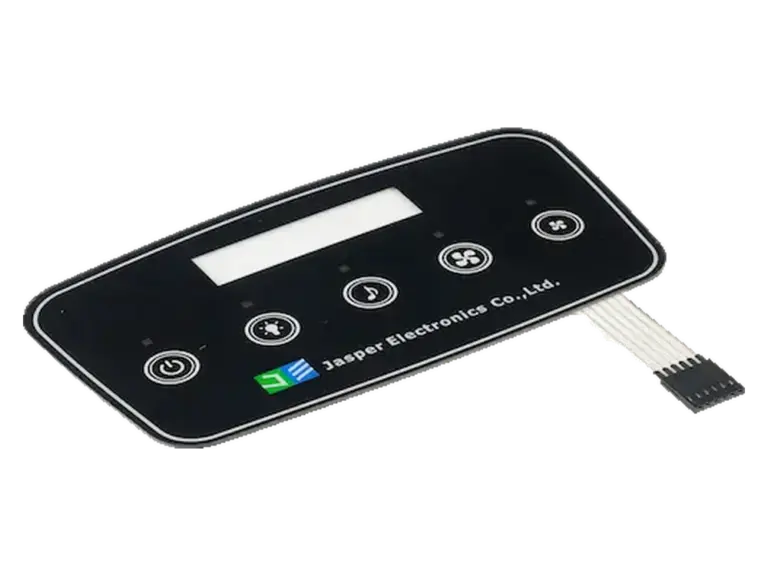
How Capacitive Touch Buttons Work: From Sensor to Host
Follow a capacitive touch button from finger coupling to sensor readings, touch decisions, and host commands, with practical checks for OEM assemblies.
Read the engineering note →Circuit, metal dome, tail exit, PCB/FPC, and connector notes for membrane switch electrical and tactile design decisions.
Follow a capacitive touch button from finger coupling to sensor readings, touch decisions, and host commands, with practical checks for OEM assemblies.
Read the engineering note →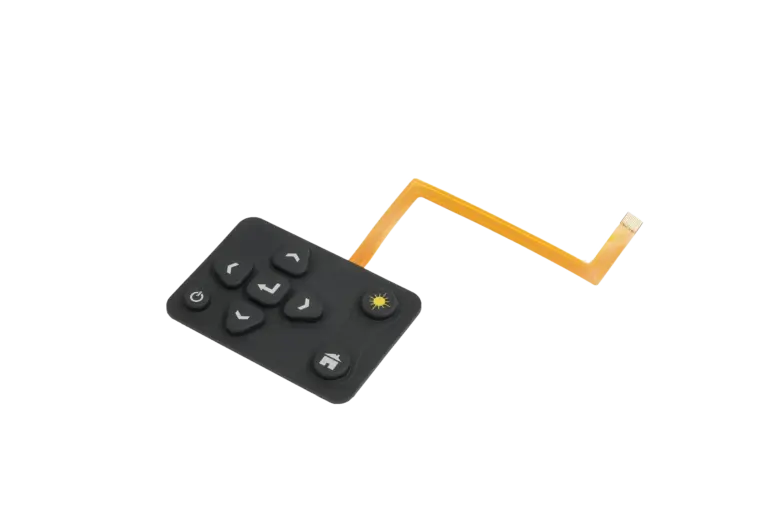
Define silicone keypad tail, connector, pinout, routing, supply scope, and acceptance tests so the rubber, circuit, and OEM electronics mate correctly.
Read the engineering note →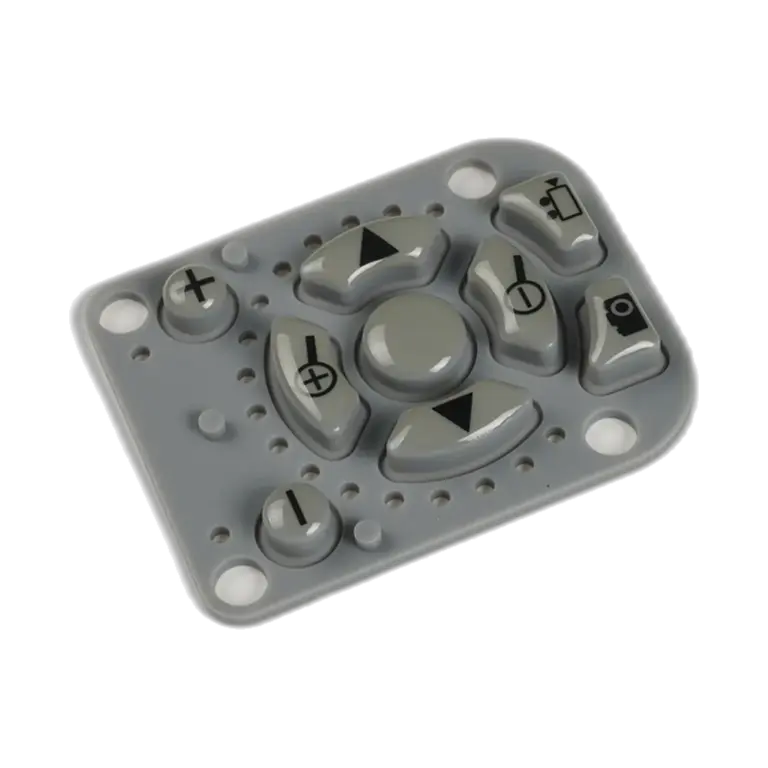
Compare conductive ink and molded carbon pills for rubber keypad contacts by geometry, adhesion, PCB fit, wear, inspection, and same-condition testing.
Read the engineering note →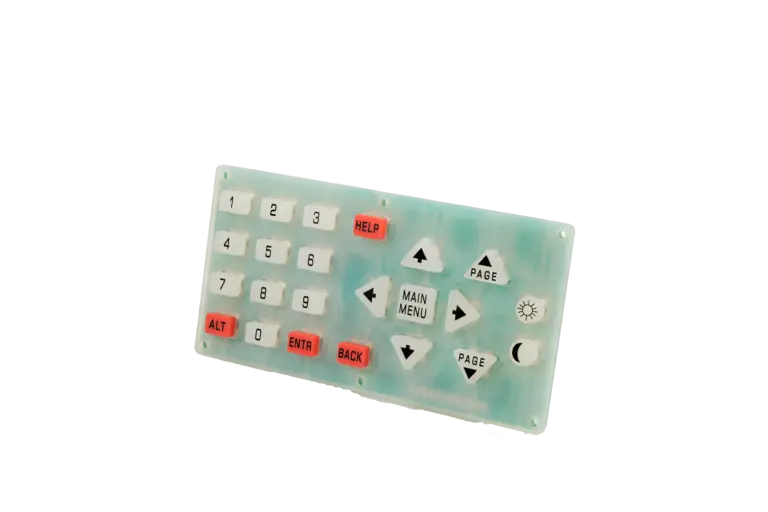
Plan silicone keypad matrix wiring, row/column pin count, ghosting risk, scan behavior and multi-key validation before PCB and connector release.
Read the engineering note →
Distinguish circuit ground, grounded shields, driven shields and guard electrodes. Review return paths, sensor loading, water bridges and controller validation.
Read the engineering note →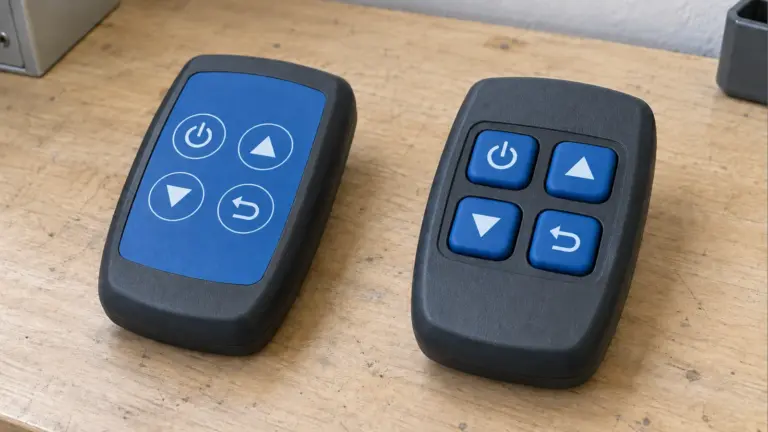
Learn what can be retained, redesigned, or revalidated when replacing a flat membrane interface with raised silicone keys in an existing OEM product.
Read the engineering note →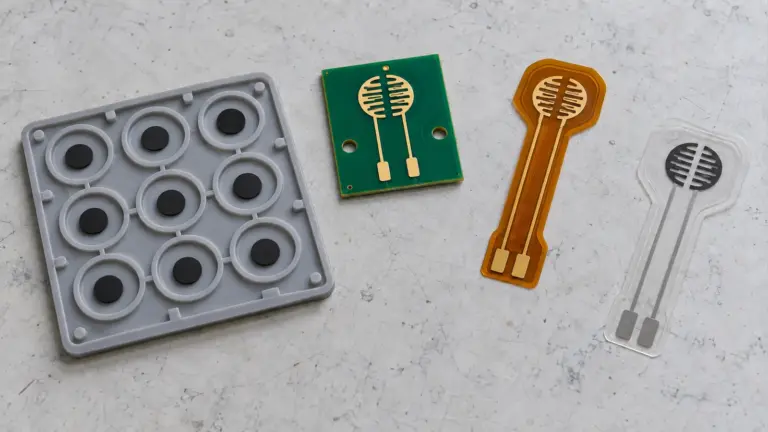
Compare rigid PCB, copper FPC and printed-film circuits for silicone keypad assemblies by support, contacts, components, routing, connectors and supply scope.
Read the engineering note →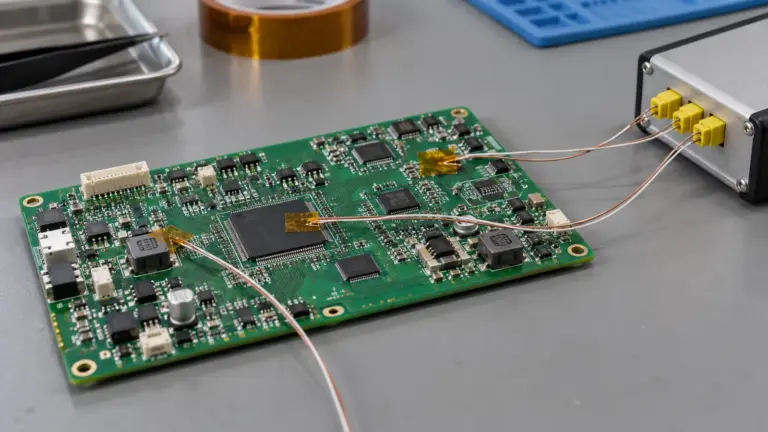
Compare single sided vs double sided pcb assembly: reflow passes, stencils, board support, inspection and cost checks for choosing an OEM production route.
Read the engineering note →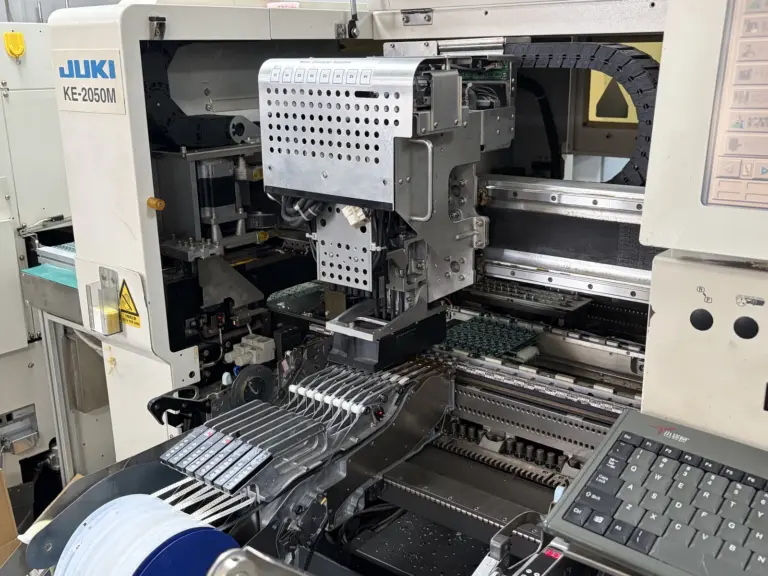
Compare PCB assembly vs EMS using 10 criteria. Define design, purchasing, inventory and after-sales responsibilities to choose the right OEM supplier scope.
Read the engineering note →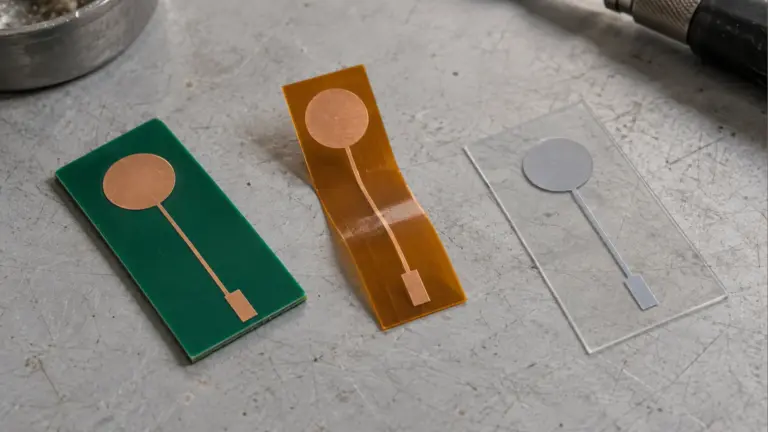
Compare rigid PCB, copper FPC and printed PET capacitive touch sensors by routing, lighting, controller location, interconnects and production validation.
Read the engineering note →
Design silicone keypad actuators for metal domes: align contact areas, control preload and travel stops, and validate force, closure, and return.
Read the engineering note →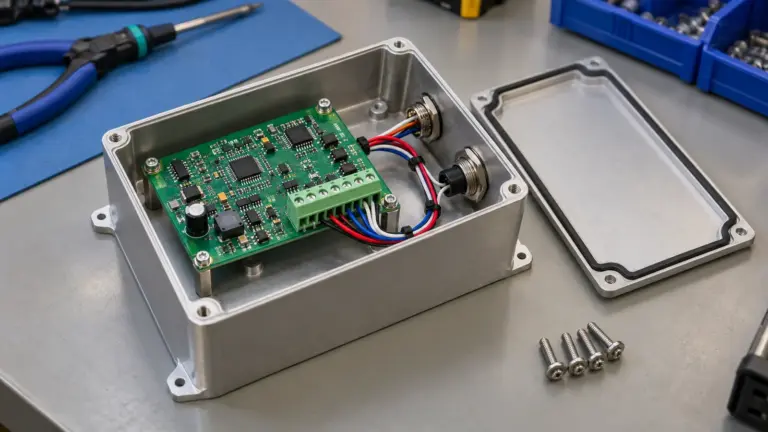
Compare PCBA vs box build across 6 delivery stages, with clear ownership of cables, enclosures, firmware, testing and packaging for your OEM assembly RFQ.
Read the engineering note →