
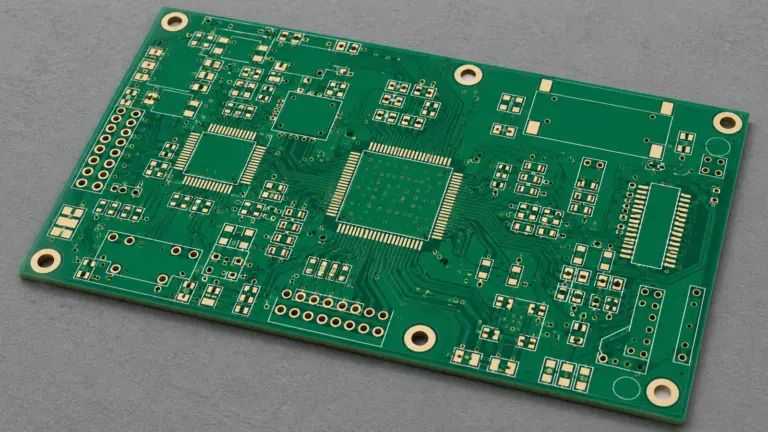
PCB Fabrication vs Assembly
Compare PCB fabrication vs assembly by files, revision control and acceptance evidence. Define BOM, placement and bare-board handoffs before your OEM build.
Read the engineering note →Circuit, metal dome, tail exit, PCB/FPC, and connector notes for membrane switch electrical and tactile design decisions.
Compare PCB fabrication vs assembly by files, revision control and acceptance evidence. Define BOM, placement and bare-board handoffs before your OEM build.
Read the engineering note →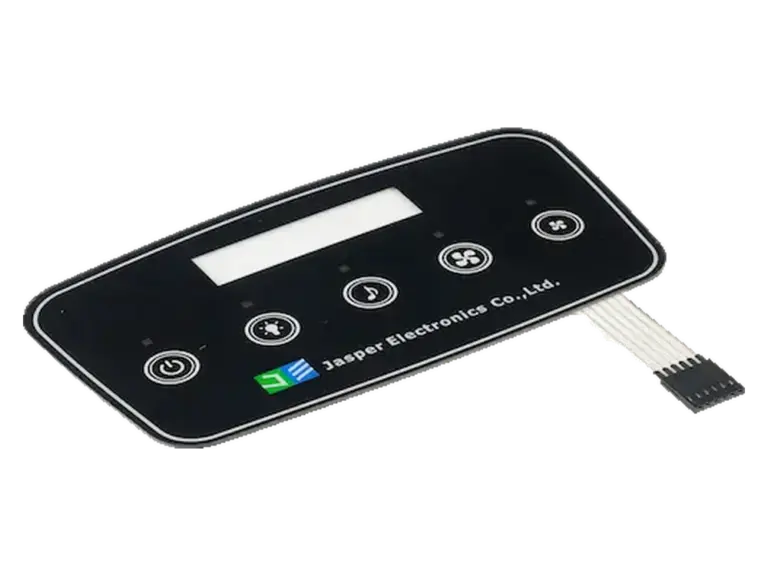
Compare self-capacitance and mutual capacitance for OEM touch controls, including electrode layout, ground and water paths, controller support, and validation.
Read the engineering note →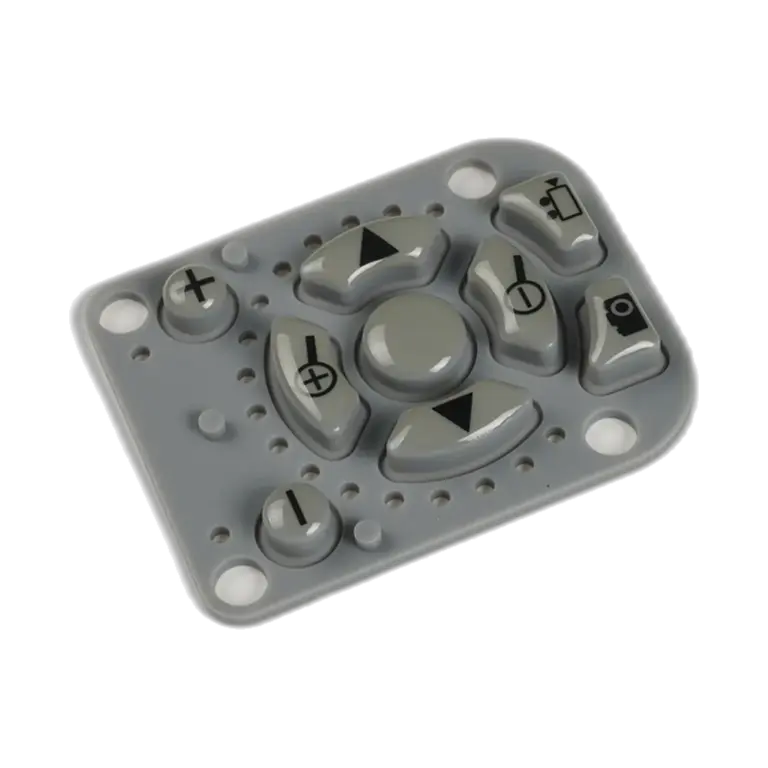
Compare carbon pills and metal domes in silicone keypads by feel, circuit closure, support, space, sealing, and validation for OEM design decisions.
Read the engineering note →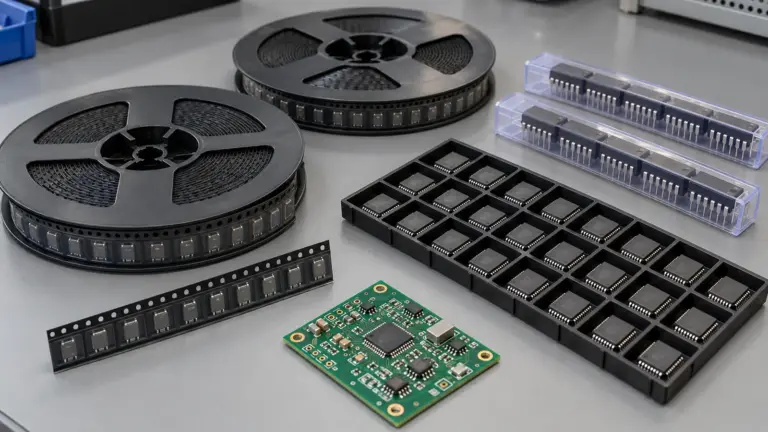
Compare turnkey vs consigned pcb assembly with a responsibility matrix covering purchasing, inspection, attrition, shortages, approvals and leftover stock.
Read the engineering note →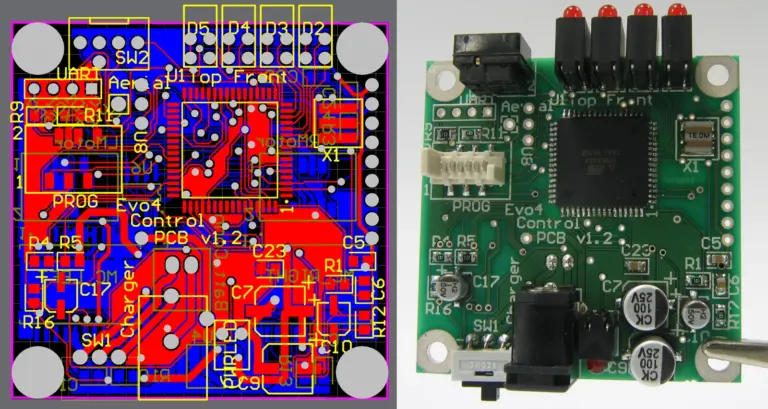
Compare SMT vs through hole assembly by package, loads, soldering and rework. Use a decision matrix to choose SMT, through-hole or mixed builds for…
Read the engineering note →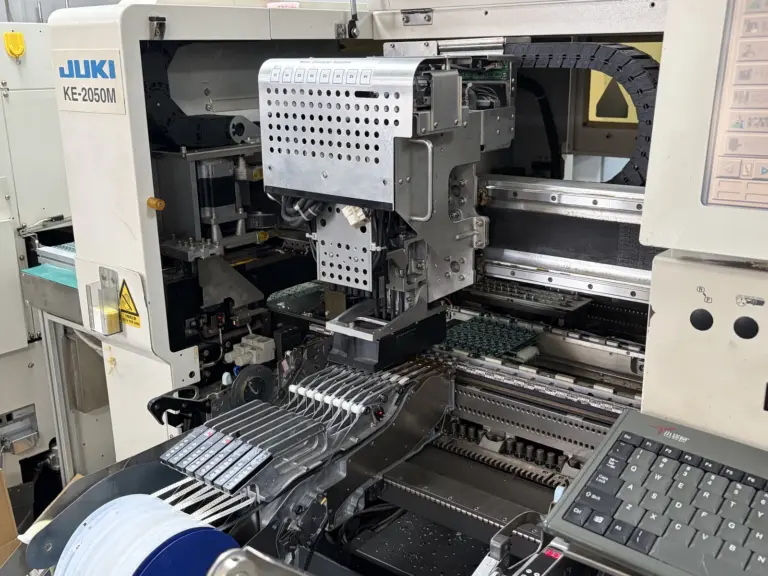
Follow the PCB assembly process through 6 release gates, from approved files and material checks to soldering, testing and shipment records for OEM builds.
Read the engineering note →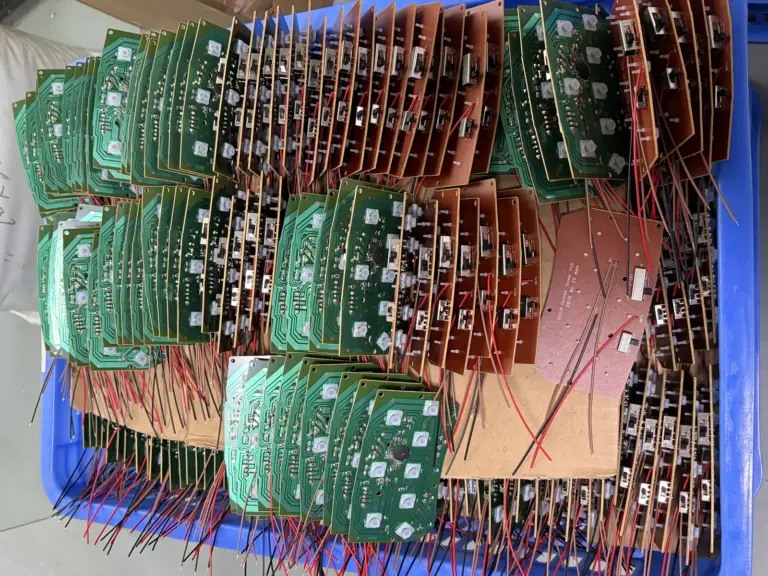
PCBA means printed circuit board assembly: a PCB with electronic components mounted and electrically connected. A bare PCB provides the conductive board structure; a…
Read the engineering note →
Compare ZIF, LIF, crimp & solder-tail connectors for membrane switches. Pitch 0.3–2.54 mm, pin count, IEC 60512 / UL 94 standards, named parts.
Read the engineering note →
PCB-backed vs printed-circuit membrane switches compared on cost, cycle life, MIL-STD-810 vibration, IP67 sealing, and IPC standards — for OEM engineers.
Read the engineering note →
Pick metal dome force in 6 tiers (180–400 gf) by application: medical 220–280 gf under IEC 60601-1-6, industrial 200–250 gf, automotive 250–300 gf IATF…
Read the engineering note →
Learn how tail exit direction affects membrane switch assembly, IP sealing, and connector routing. Covers bottom, top, side, and folded-under exits with specs.
Read the engineering note →