

Embossed Graphic Overlay Design: Geometry, Registration, and Tooling
Control embossed graphic overlay geometry, print-to-form registration, die cuts, tooling, first-off inspection, correction, and release records.
Read the engineering note →Application-focused notes for medical equipment, industrial controls, capacitive interfaces, keypad artwork, and OEM product requirements.
Control embossed graphic overlay geometry, print-to-form registration, die cuts, tooling, first-off inspection, correction, and release records.
Read the engineering note →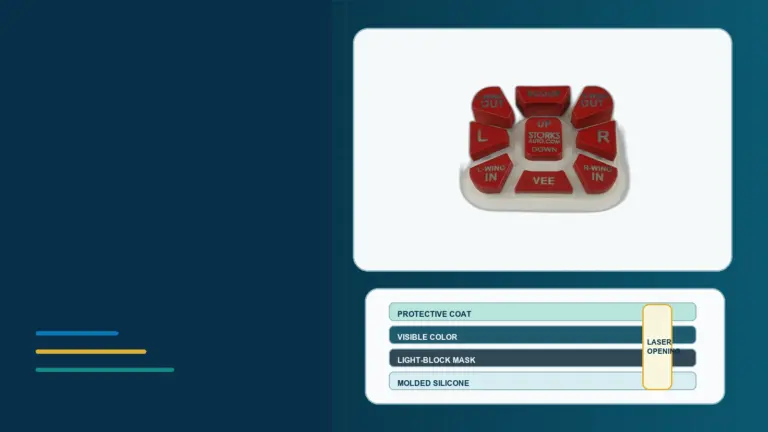
Define the molded color, mask, laser opening, protective coating, day-night appearance, wear, cleaner and sample-approval evidence.
Read the engineering note →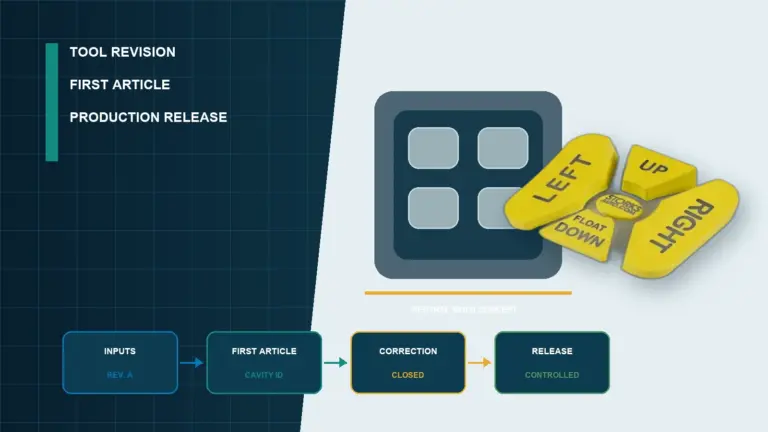
Approve silicone keypad tooling through controlled inputs, shrinkage trials, first articles, cavity records, assembly checks, and release evidence.
Read the engineering note →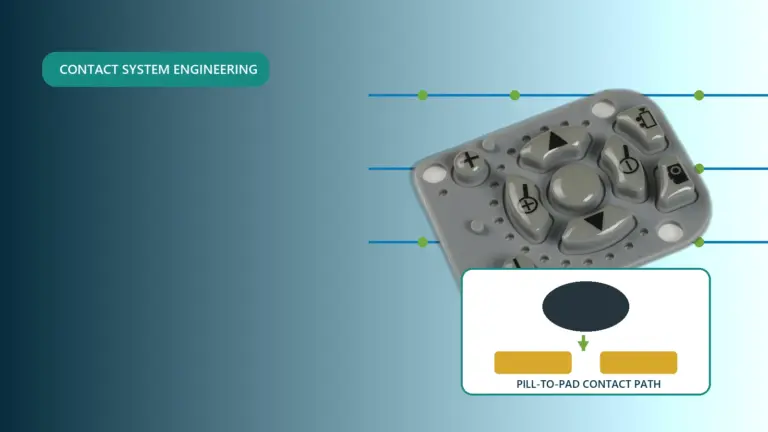
Define carbon-pill contact resistance from the input circuit, pill and PCB geometry, force, contamination, measurement method, and lifecycle.
Read the engineering note →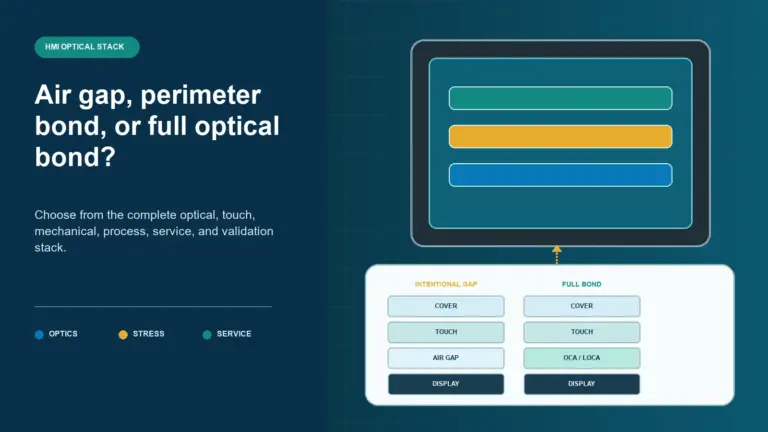
Compare intentional display air gaps, perimeter bonds, OCA, and LOCA against optical, touch, stress, service, inspection, and validation needs.
Read the engineering note →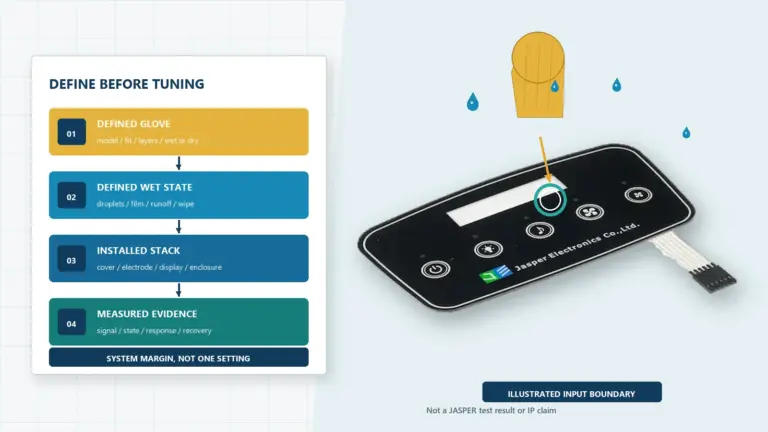
Define glove, wet-finger, droplet, spill, runoff, cleaning, recovery, signal-margin, guard, enclosure, and validation requirements before tuning.
Read the engineering note →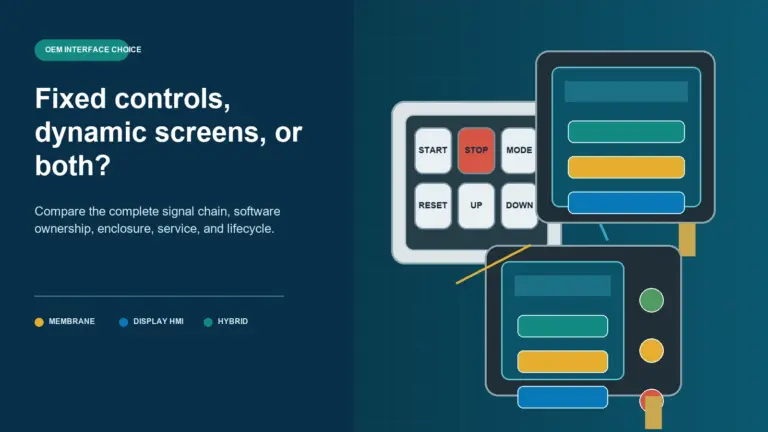
Compare display-based HMI panels, membrane switch panels, standard terminals, and hybrid interfaces by task, software, enclosure, service, lifecycle, and validation.
Read the engineering note →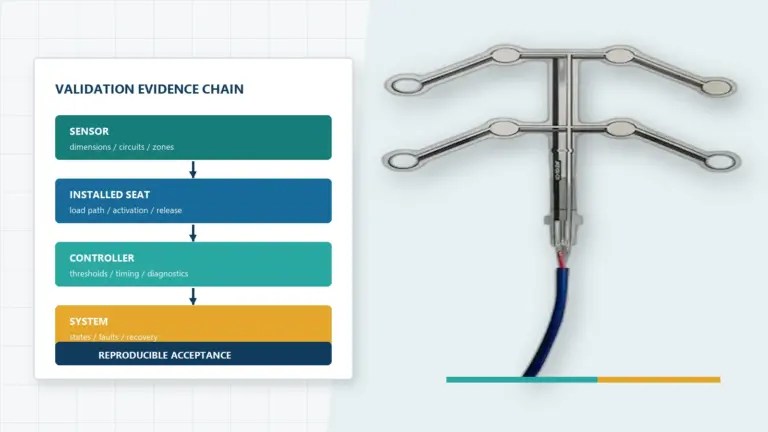
Build an OEM seat occupancy sensor validation plan covering component, installed-seat, controller, environmental, lifecycle, and production tests.
Read the engineering note →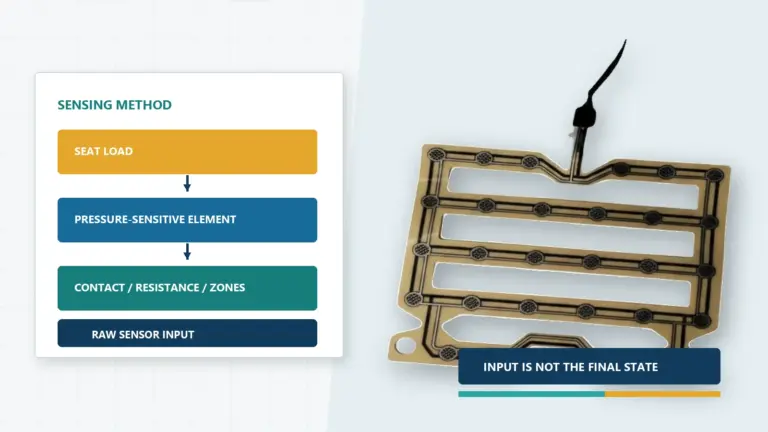
Compare seat pressure sensors and occupancy sensors by sensing method, output, load path, electronics, validation, and OEM application fit.
Read the engineering note →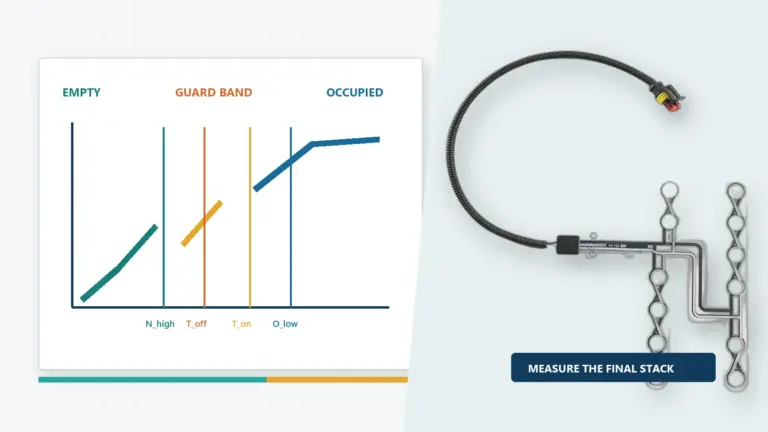
Set pressure-mat activation and release thresholds from measured empty and occupied distributions in the final assembly, then validate hysteresis, debounce, preload, variation, and fault…
Read the engineering note →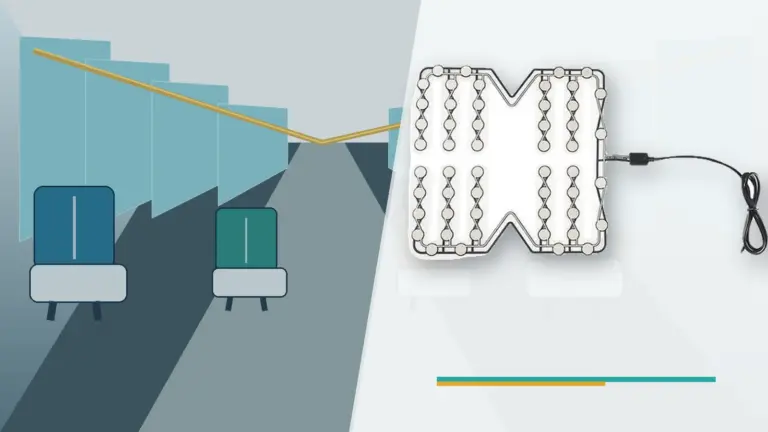
A bus seat sensor should be released as a serviceable seat node with stable identity, controlled routing, diagnosable states, and a clear boundary from…
Read the engineering note →
PCAP wins on aesthetics and lifetime; membrane still wins on gloves, EMI, and NRE under 5K units. Compare 14 specs, IEC standards, and 8…
Read the engineering note →