
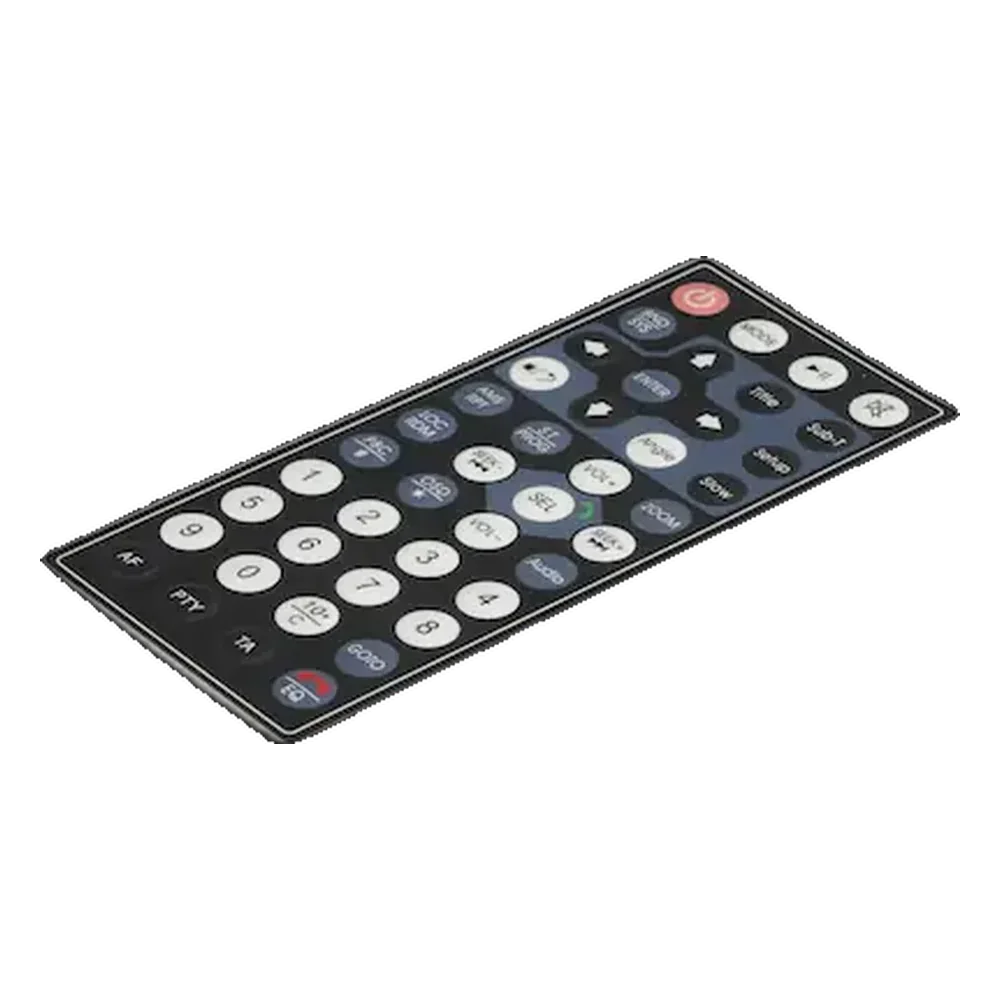
Graphic Overlay With Clear Display Window and Chemical-Resistant Surface
Graphic overlays with display windows require careful control of material, window clarity, printing registration, opacity, adhesive layout, surface finish, and particle control.
Cleanroom-supported production is useful when the display area must remain visually clean, and material choices should be reviewed against cleaning exposure rather than assumed.
What the project needed to solve
The snapshot keeps the case practical: application, part type, design risks, and review scope.
| Item | Project direction |
|---|---|
| Application | Instrument, control panel, display cover, or equipment front label |
| Product type | Custom graphic overlay with clear display window |
| Key concerns | Window clarity, scratch resistance, cleaning exposure, color match, adhesive coverage |
| JASPER review scope | Material review, artwork review, printing, cleanroom-supported production, visual inspection |
| Project reference | JASPER project example |
Display windows make small defects easy to see
Display windows make a graphic overlay more sensitive to cosmetic defects. Dust, scratches, haze, poor adhesive placement, weak opacity, and color mismatch are easier to notice around a display area.
The overlay must also balance readability, surface durability, adhesive bonding, and the visual expectations of the finished equipment.
Buyer note: Provide the display active area, window tolerance, cleaning exposure, color references, adhesive keep-out zones, and surface finish requirement with the RFQ.

Design decisions JASPER would review before sampling
The response focuses on structure and production controls, not unsupported performance promises.
Film and window choice
Review PET, polycarbonate, hard-coated films, clear window finish, haze expectations, scratch risk, and display readability.
Print stack and opacity
Review icon registration, color references, light blocking, dead-front or translucent zones, and brand or warning text.
Adhesive pattern
Plan display cutouts, edge bonding, liner handling, housing surface, and areas where adhesive must not enter the visible window.
Clean handling
Use cleanroom-supported handling and defined inspection criteria where particles, dust, or fingerprints can affect approval.
Packing protection
Define protective liner, finished-part handling, and packing so window areas are protected during shipment and incoming inspection.
Inspection points that should be defined before approval
The sample should be judged against agreed visual, functional, dimensional, and documentation criteria.
| Area | Review point | Why it matters |
|---|---|---|
| Window | Clarity, haze, surface protection, scratch expectations | Controls display readability and cosmetic approval |
| Printing | Color, opacity, registration, icons, brand marks, warning text | Protects visible graphics and functional markings |
| Adhesive | Display cutout, edge bonding, housing surface, liner handling | Prevents adhesive intrusion or bonding failure |
| Cleanroom | Particle control for visible window and glossy surfaces | Reduces visible contamination risk |
| Inspection | Visual criteria, dimension check, color review, packing protection | Makes approval repeatable |
Information JASPER needs for a similar project
Better RFQ inputs reduce quotation back-and-forth and prevent late structural changes.
| Input needed | Useful detail | Why it matters |
|---|---|---|
| Display information | Active display size, bezel, window opening, tolerance, viewing area | Defines clear area and adhesive keep-out |
| Material preference | PET, PC, hard coat, texture, gloss, matte, anti-glare need | Affects durability and window appearance |
| Cleaning exposure | Chemical names, frequency, wiping method, environment | Guides surface and ink review |
| Artwork files | Vector artwork, color references, opacity needs, icons, warning text | Controls print quality and registration |
| Housing surface | Mounting material, surface texture, adhesive area, edge support | Affects adhesive choice and assembly fit |
Related engineering guide: review emboss geometry beside a display window.
Buyer takeaway
Graphic overlay projects with display windows should include display size, viewing area, color references, cleaning exposure, surface finish, and adhesive surface details in the RFQ.
Continue planning this type of project
Related resources connect the case example with product options, resource guides, quality planning, and quotation preparation.
Questions buyers ask before sharing a similar project
Can JASPER make graphic overlays with clear windows?
Yes. JASPER can manufacture custom graphic overlays with clear display windows, printed legends, icons, and adhesive backing.
Can the overlay surface resist cleaning chemicals?
Material and surface options can be reviewed when the buyer provides expected cleaning chemicals or exposure conditions.
Why is cleanroom-supported production useful for display windows?
Particles and dust are more visible in clear or glossy areas, so cleanroom-supported production helps control cosmetic quality.
Can chemical resistance be assumed for every overlay?
No. Chemical resistance depends on the selected film, surface finish, ink system, adhesive, exposure, and cleaning method.
What files help this project move faster?
Send display opening dimensions, vector artwork, color references, surface finish requirements, cleaning exposure, and housing information.
Need a graphic overlay with a clean display window?
Send your overlay artwork, display opening dimensions, surface finish requirements, cleaning exposure, and housing details for review.
Request Project Review