
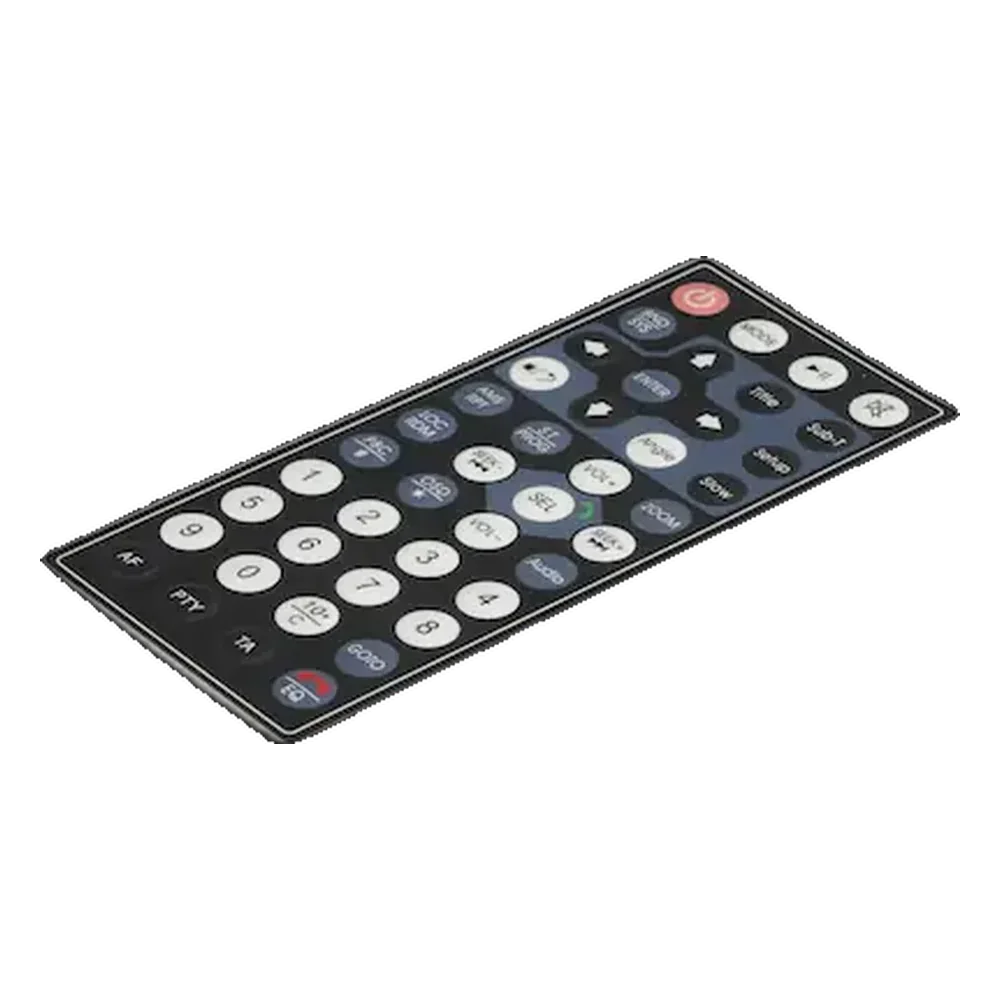
グラフィックオーバーレイ材料
グラフィック オーバーレイ マテリアルは、外観、耐久性、柔軟性、耐薬品性、ウィンドウの透明度、エンボス加工、接着結合、およびコンプライアンス文書に影響を与えます。
PET とポリカーボネートが一般的な選択肢ですが、最適な素材は、製品環境、清掃ルーチン、予想される摩耗、太陽光への曝露、表示ウィンドウのニーズ、およびユーザーがパネルに触れる方法によって異なります。
簡単な答え: 習慣ではなく、ユースケースに基づいてマテリアルを選択してください。
グラフィック オーバーレイ素材の選択は、耐久性、化学物質への曝露、洗浄、UV、ウィンドウの透明度、エンボス加工、表面仕上げ、接着、およびコストによって決まります。ポリエステル、ポリカーボネート、ハードコート フィルム、テクスチャード フィルム、透明ウィンドウ フィルム、および接着剤システムを一緒に検討する必要があります。
一般的なグラフィック オーバーレイ マテリアルの選択
材料の選択は、耐久性、窓の透明度、接着剤のフィット感、洗浄への曝露、および繰り返し生産の安定性によって検討する必要があります。この表は、各マテリアル領域が OEM コントロール パネル プロジェクトにどのような影響を与えるかを説明しています。
| Material or layer | Typical strength | What to check before choosing |
|---|---|---|
| Polyester (PET) | Flex life, chemical resistance, durability, and stable use in many membrane switch overlays | Cleaning exposure, key flex, embossing needs, surface finish, and compliance documentation |
| Polycarbonate (PC) | Appearance options, forming characteristics, and clear display areas for some overlay designs | Chemical exposure, abrasion risk, outdoor exposure, and whether hard coating is needed |
| Hard-coated film | Improved abrasion and surface protection for frequently touched panels | Touch frequency, cleaning method, gloss level, and whether coating affects printing or embossing |
| Textured film | Better fingerprint control, reduced glare, and practical handling on industrial panels | Readable legends, cleaning routine, tactile feel, and customer cosmetic preference |
| Transparent window film | Display visibility, LED windows, dead-front icons, and clear or tinted viewing areas | Window clarity, registration, scratches, dust control, and backlighting requirements |
| Adhesive system | Mounting strength and environmental resistance | Housing material, surface energy, texture, temperature, pressure, and installation process |
PET とポリカーボネートは互換性のある決定ではありません
屈曲寿命、耐薬品性、耐久性が重要な場合には、ポリエステルがよく選択されます。ポリカーボネートは、特定の外観と成形特性が必要な場合に役立ちます。どちらの選択も、すべてのオーバーレイに対して自動的に正しいわけではありません。洗浄剤、摩耗、UV、エンボス加工、ディスプレイウィンドウ、接着面によって最終的な構造が決まります。
- 重要な領域については、屈曲寿命、ドームまたは触覚の応答、エンボス加工、およびスペーサーの構造を確認します。
- ディスプレイ ウィンドウの場合は、透明度、色合い、表面の傷、ほこり、およびデッドフロント グラフィックスを確認します。
- 産業用または医療用機器の場合は、サンプリング前に洗浄剤と必要な文書を定義します。
RFQ note: Send the application environment, cleaning agents, enclosure material, expected touch frequency, window requirements, embossing needs, compliance documents, and annual quantity.
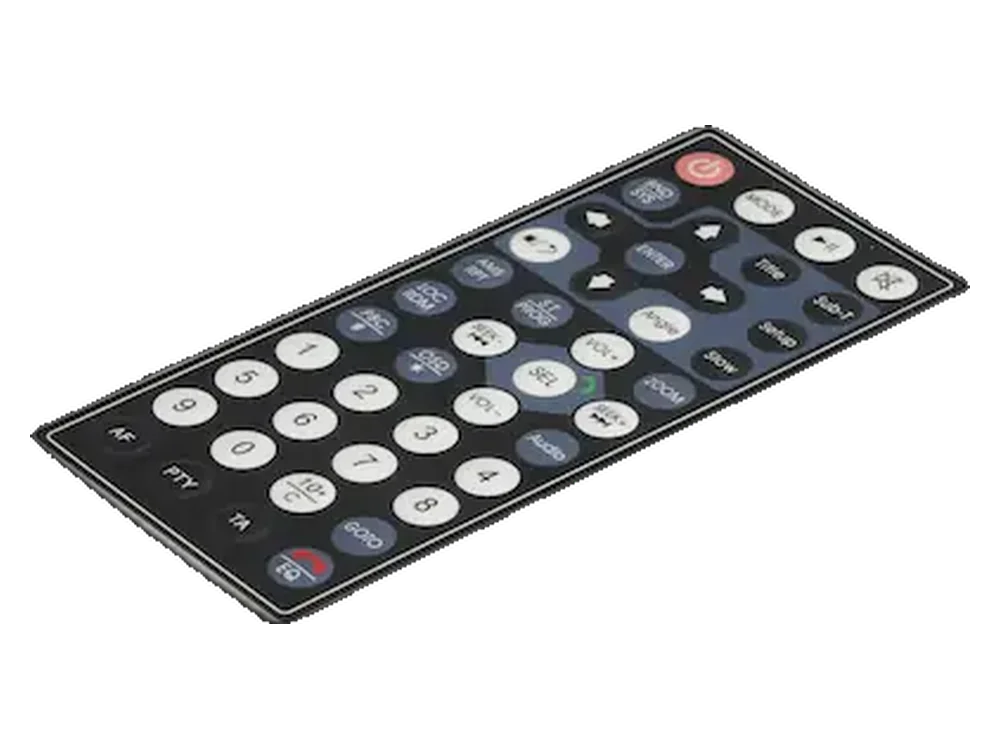
現場のパフォーマンスに影響を与える重要な決定
サンプルでは許容範囲に見える材料でも、洗浄、接着、日光、または繰り返しの操作を早期に確認しないと、不合格になる可能性があります。
Cleaning and chemicals
Confirm alcohol, disinfectants, oils, solvents, detergents, or customer-specific cleaning routines before film and coating selection.
UV and outdoor exposure
Outdoor panels need review of sunlight, temperature, humidity, water exposure, print protection, and adhesive behavior.
Windows and dead-front areas
Clear windows, LED icons, and dead-front graphics need control of opacity, registration, tint, scratch risk, and visible particles.
Questions to answer before selecting overlay materials
If the overlay is part of a membrane switch, material selection should also consider key flex life, tactile response, circuit layout, and adhesive stack.
| Question | Why it matters | Possible decision impact |
|---|---|---|
| How will the surface be cleaned? | Cleaning chemicals can damage film, coating, or print protection | Film type, hard coating, print stack, and compliance review |
| Will users press keys or only view labels? | Repeated key operation creates flex and tactile requirements | PET selection, embossing design, spacer structure, and dome review |
| Is the panel exposed to sunlight or outdoor conditions? | UV, humidity, heat, and cold affect appearance and bonding | Film, ink, coating, adhesive, and sealing decisions |
| Does the overlay include display windows? | Window clarity and scratches are highly visible to users | Transparent film, tint, dead-front print, and cleanroom handling |
| What is the housing material? | Adhesive performance depends on the mounting surface | Adhesive system, liner, mounting pressure, and surface preparation |
| Are RoHS, REACH, or UL-rated material options required? | 資料 should be planned before sampling | Material sourcing, declarations, lead time, and quotation scope |
Continue planning the overlay project
オーバーレイ製品、材料の選択肢、印刷方法、製造要件を確認し、見積依頼に必要な印刷データと仕様を準備してください。
Questions OEM buyers ask
Is polyester better than polycarbonate for graphic overlays?
Not always. Polyester is often stronger for flex life and chemical resistance, but the best choice depends on the application, cleaning exposure, window needs, embossing, and cost target.
Can graphic overlays use UL-rated materials?
Yes. UL-rated material options can be reviewed when required by the product specification and qualified for the project structure.
Does adhesive count as part of graphic overlay material selection?
Yes. Adhesive is critical because it determines how the overlay bonds to the product housing. Housing material, surface texture, temperature, and installation pressure should be reviewed.
What material is better for display windows?
The answer depends on clarity, tint, scratch resistance, backlighting, dead-front graphics, and cleaning exposure. Window areas should be reviewed separately from the rest of the overlay.
Should material selection happen before artwork approval?
Yes. Material, surface finish, windows, embossing, and adhesive structure can affect artwork layers and sample approval. They should be reviewed before production artwork is locked.
Need help choosing graphic overlay materials?
Send your application environment, cleaning routine, window requirements, housing material, and compliance needs so JASPER can review practical material options.
Request Material Review