
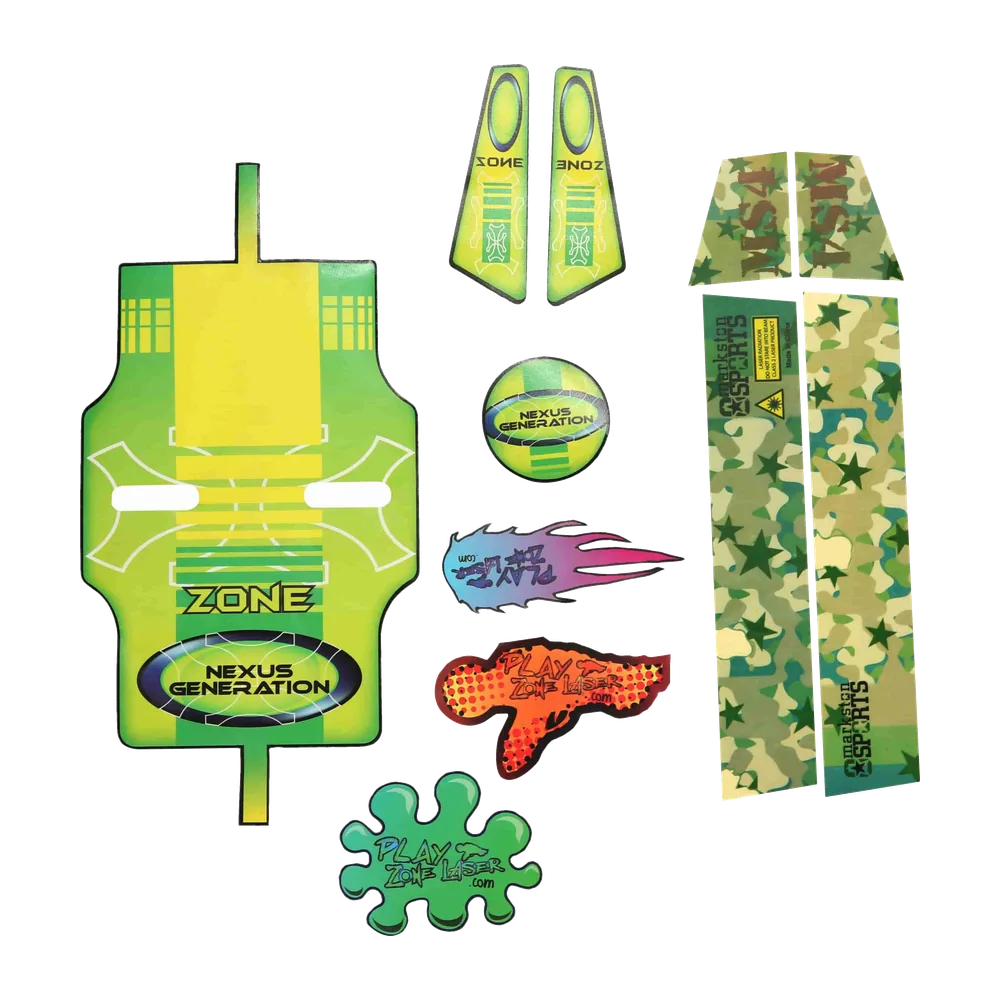
ポリカーボネート / ポリエステルラベル · 表面印刷 · 裏面粘着剤付き
Polycarbonate & Polyester Label Nameplates for OEM Equipment
ブランド、警告、評価、シリアル番号、およびコントロール パネルのマーキング用の、柔軟な Lexan およびポリエステル ラベル - 表面下に印刷され、裏面に粘着剤が付いています。
JASPER は、耐久性のある ID ラベル、定格プレート、警告ラベル、シリアル化されたバーコード付きタグ、およびコントロール パネル ラベルなどの OEM 製品用のカスタム ラベル ネームプレートをポリカーボネートまたはポリエステル フィルムに印刷します。
JASPERのインターフェース部品を採用するOEM



家族の柔軟な終焉
ラベル銘板は製品を識別するものであり、スイッチの操作面ではありません。
ラベル銘板は、製品に貼り付けられる印刷されたプラスチック フィルムで、ブランド、モデル、シリアル番号、警告、評価など、その製品が何であるかを示します。それは硬いパネルではなく、卓上銘板でもありません。産業用機器では、ほとんどの場合、ポリカーボネート (Lexan) またはポリエステル (PET) が使用されます。
グラフィックはフィルムの裏側に印刷されます。インクはプラスチックの裏側にあるため、使用中にこすったり、こすったり、ひっかき傷を付けたりすることができません。また、裏面の強力な接着剤がラベルを筐体に接着します。
People mix it up with a custom graphic overlay, and you can see why — both are printed plastic film. The job is different though. A label tells you what the product is. An overlay is the face you press: the top layer of a membrane switch, with keypad graphics and embossed buttons that give tactile feedback. Yes, a label can have a die-cut window or an embossed mark. But the moment the part becomes the surface you actually operate, it has crossed over into overlay territory, and we will flag that before you order.
Quick Answer
ラベル銘板とは何ですか?
ラベル銘板は、ポリカーボネート (Lexan) またはポリエステル (PET) フィルムの裏面に印刷される柔軟なラベルで、OEM 機器の識別、ブランド化、警告、または評価を行います。インクはプラスチックの裏側の 2 番目の面に定着するため、使用中に傷がついたり色褪せたりすることがなく、強力な接着剤がラベルを筐体に固定します。フィルムの走行距離は 7 ~ 20 ミルです。仕上げは光沢、マット、またはベルベットです。ディスプレイやスイッチが必要な場所には窓が型抜きされています。耐久性に関しては、この 2 つの素材は意見が分かれています。ポリカーボネートは 50,000 ~ 100,000 回程度の作動に適しており、ポリエステルは 1,000,000 回以上の作動に適しています。部品に永続的な識別、警告、シリアルコードまたはバーコード、または定格を表示する必要がある場合は、ラベル銘板に手を伸ばしてください。メンブレン スイッチの動作面である場合ではありません。
材質と構造のオプション
素材が最優先であり、厚さ、仕上げ、接着剤、価格が決まります。
Every label runs through the same questions before it goes to print, and material is the first one — it decides almost everything after it. Part of that conversation is making sure the part is actually a label, and not a graphic overlay or a rigid acrylic panel in disguise.
| Requirement | Typical options | Design note |
|---|---|---|
| Material | Polycarbonate (Lexan), polyester (PET) | Polycarbonate for general durable labels; polyester for harsh chemicals, wide temperatures, and high-cycle use. |
| Thickness | 7, 10, 15, or 20 mil | 10 mil is the common all-round gauge; 15–20 mil bridges recesses and rough spots; 7 mil for flat, non-recessed areas. |
| Finish | Gloss, matte, velvet | Velvet resists scratches best and suits high-touch panels; gloss is brightest but not ideal for touch areas. |
| Printing | Second-surface (subsurface) screen, digital, or UV offset; 4-color process | Subsurface printing protects ink behind the film. Pantone/PMS matching and white underprint available. |
| Variable data | Serial numbers, barcodes, QR, sequential numbering | Variable print can meet ANSI and ISO barcode requirements for traceability. |
| Windows & die cut | Custom die-cut shapes, display windows, switch holes, adhesive-free windows | Adhesive-free windows stop adhesive from clouding LEDs or interfering with membrane switches. |
| Adhesive | 3M and other heavy-duty solvent-resistant adhesives; ultra-aggressive options for powder coat and rough surfaces | Adhesive choice depends on surface energy, texture, temperature, and cleaning chemistry. |
| 規格対応 | ANSI, UL, CSA, RoHS; built under ISO 9001 / IATF 16949 quality systems | Regulatory marks and warning formats are matched to the target market and standard. |
Windows, die cutting, variable data
Label nameplates rarely ship as plain rectangles.
Most do not. They ship with a die-cut profile, and often with windows cut for a display, an LED, or a switch. When the label sits over a membrane switch or an LED, we cut the adhesive open in that spot too — otherwise it clouds the light or fights the switch.
Need every unit traceable? We variable-print serial numbers, barcodes, or QR codes to ANSI and ISO checks, so each one leaves uniquely marked. Rating plates, asset tags, product ID labels — that is the usual home for it.
Material route comparison
Label, acrylic, glass, metal, and doming each sit on equipment for different reasons.
A label nameplate is the flexible, adhesive-backed end of the lineup. The rigid and decorative routes solve different problems.
Label nameplate
Flexible PC or PET film, subsurface printed, adhesive-backed; the default for durable identification, warnings, and rating plates.
Acrylic panel
Choose an acrylic panel when the front needs a rigid PMMA panel with windows or a cover lens rather than a thin label.
Glass nameplate
A glass nameplate gives a premium, hard, scratch-resistant glass face.
Metal or doming
Metal nameplates are rugged etched or embossed plates; doming label nameplates are raised glossy badges.
Design checks
Tell us where it goes and what it has to survive.
A label nameplate quote turns on more than the art. We look at the surface, the environment, and what has to read through the label before we recommend a material.
- Label size, die-cut profile, and any windows or switch holes
- Material call: polycarbonate or polyester, by environment and cycle life
- Thickness and finish: 7–20 mil, gloss, matte, or velvet
- Variable data: serial numbers, barcodes, QR, sequential ranges
- Pantone / PMS colors, white underprint, and the printed stack
- Mounting surface: powder coat, aluminum, ABS, PC, painted steel, low-surface-energy plastic
- Environment: temperature range, chemicals, UV, abrasion, submersion
- Standards: ANSI, UL, CSA, RoHS, automotive, or medical targets
What to send
An Adobe Illustrator file, a press-ready PDF, an EPS, or a DXF for die lines. Vector art and a separate die/window layer speed the quote.
If the part is really an overlay, an acrylic panel, or a metal plate, we will say so before any tooling is cut.
見積もりを依頼Label nameplate questions
Is a label nameplate the same as a graphic overlay?
No, even though both are printed plastic films. A label nameplate identifies and brands — logos, legends, serial numbers, warnings, rating data — and bonds to the equipment with adhesive. A custom graphic overlay is the printed top layer of a membrane switch, designed around keypad graphics, embossed buttons, and tactile feedback. A label can include a window or an embossed mark, but once the part becomes the operating face of a switch stack, it is an overlay. If you are not sure which one your project needs, we will sort it out before quoting.
Should I use polycarbonate or polyester?
It comes down to how hard a life the label has. Polycarbonate, the Lexan kind, is good for about 50,000 to 100,000 actuations and shrugs off mild chemicals — plenty for most branding, control-panel, and instrument labels, and it keeps the cost down. Polyester runs more, but it lasts: past 1,000,000 actuations, a wider temperature band, harsh solvents no problem. That is the one for ovens, outdoor power equipment, vehicles, and anything cleaned with aggressive chemistry. Tell us where it lives and how it gets handled, and we will pick the film for you.
Can a label nameplate carry serial numbers or barcodes?
Yes. We variable-print serial numbers, barcodes, QR codes, and sequential ranges, and the output can meet ANSI and ISO barcode requirements for traceability. This is common on rating plates, asset tags, and product ID labels where every unit ships uniquely identified.
Continue the front-surface material review
Graphic overlays
Head back to the グラフィックオーバーレイ hub to weigh every printed front-surface option.
Review graphic overlays →Custom graphic overlays
See where a membrane-switch face layer differs from an identification label.
Review custom overlays →Acrylic panels
Compare a flexible label with a rigid PMMA panel or cover lens.
Review acrylic panels →Graphic overlay materials
Weigh PET, PC, acrylic, glass, adhesive, and coating trade-offs in one place.
Review materials →Get a label nameplate reviewed before printing
Send the artwork, the die line, the window and switch-hole locations, the target environment, and the mounting surface. We will confirm the material, the thickness and finish, the adhesive, and any compliance marks, and tell you whether the part should stay a label nameplate or move to a custom graphic overlay.
Start RFQ ReviewStill weighing materials? Start with our graphic overlay materials reference.