
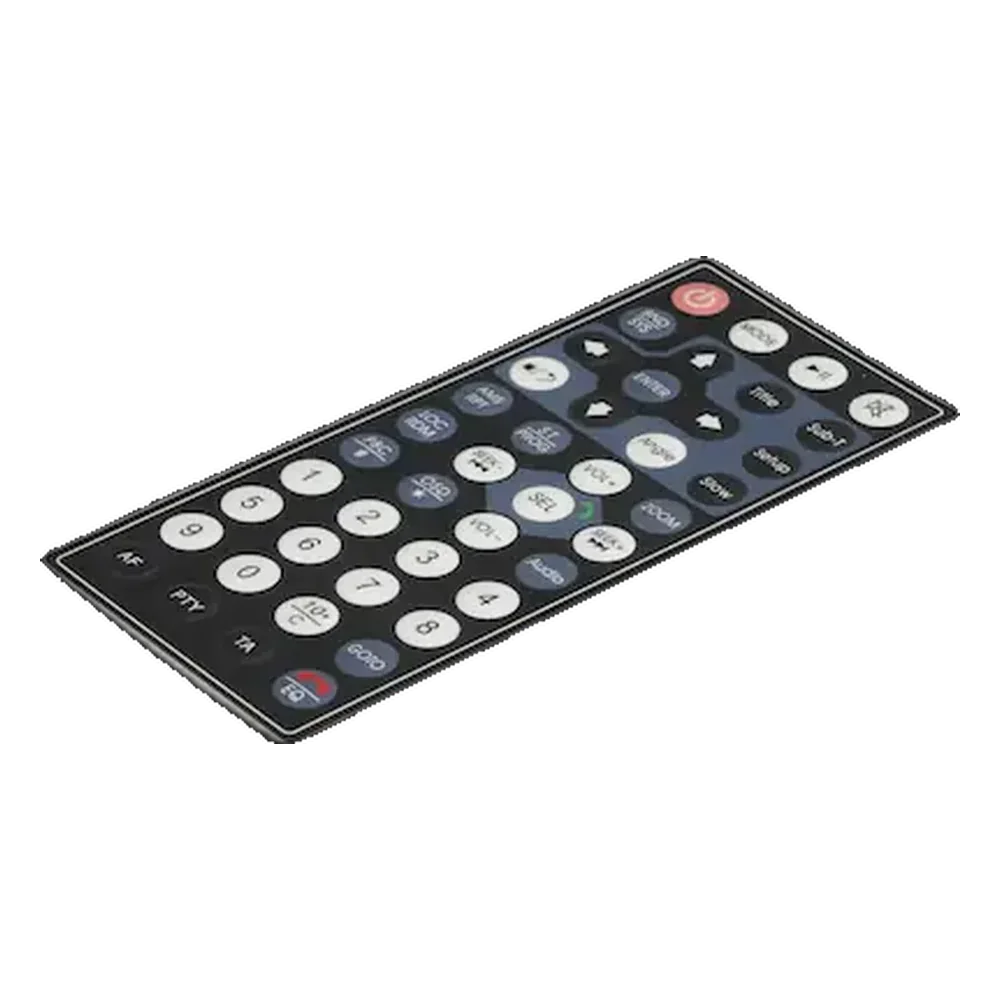
Materialien fuer Grafikfolien
Graphic overlay materials affect appearance, durability, flexibility, Chemikalienbestaendigkeit, window clarity, embossing behavior, Klebstoff bonding, and compliance documentation.
PET and Polycarbonat are common choices, but the best material depends on the product environment, cleaning routine, expected abrasion, sunlight exposure, display-window needs, and how users touch the panel.
Quick answer: choose materials by use case, not by habit.
Graphic overlay material selection depends on durability, chemical exposure, cleaning, UV, window clarity, embossing, Oberflaechenfinish, Klebstoff bonding, and cost. Polyester, Polycarbonat, hard-coated films, textured films, transparent window films, and Klebstoff systems should be reviewed together.
Common graphic overlay material choices
Material choices should be reviewed by durability, window clarity, Klebstoff fit, cleaning exposure, and repeat production stability. The table explains how each material area affects an OEM control-panel project.
| Material or layer | Typical strength | What to check before choosing |
|---|---|---|
| Polyester (PET) | Flex life, Chemikalienbestaendigkeit, durability, and stable use in many membrane switch overlays | Cleaning exposure, key flex, embossing needs, Oberflaechenfinish, and compliance documentation |
| Polycarbonate (PC) | Appearance options, forming characteristics, and clear display areas for some overlay designs | Chemical exposure, abrasion risk, outdoor exposure, and whether hard coating is needed |
| Hard-coated film | Improved abrasion and surface protection for frequently touched panels | Touch frequency, cleaning method, gloss level, and whether coating affects printing or embossing |
| Textured film | Better fingerprint control, reduced glare, and practical handling on industrial panels | Readable legends, cleaning routine, tactile feel, and customer cosmetic preference |
| Transparent window film | Display visibility, LED windows, dead-front icons, and clear or tinted viewing areas | Window clarity, registration, scratches, dust control, and backlighting requirements |
| Adhesive system | Mounting strength and environmental resistance | Housing material, surface energy, texture, temperature, pressure, and installation process |
PET and Polycarbonat are not interchangeable decisions
Polyester is often selected when flex life, Chemikalienbestaendigkeit, and durability are important. Polycarbonate can be useful where certain appearance and forming characteristics are needed. Neither choice is automatically correct for every overlay. Cleaning agents, abrasion, UV, embossing, display windows, and Klebstoff surface should decide the final structure.
- For key areas, review flex life, dome or tactile response, embossing, and spacer structure.
- For display windows, review clarity, tint, surface scratches, dust, and dead-front graphics.
- For industrial or medical equipment, define cleaning agents and documentation needs before sampling.
RFQ note: Send the application environment, cleaning agents, enclosure material, expected touch frequency, window requirements, embossing needs, compliance documents, and annual quantity.
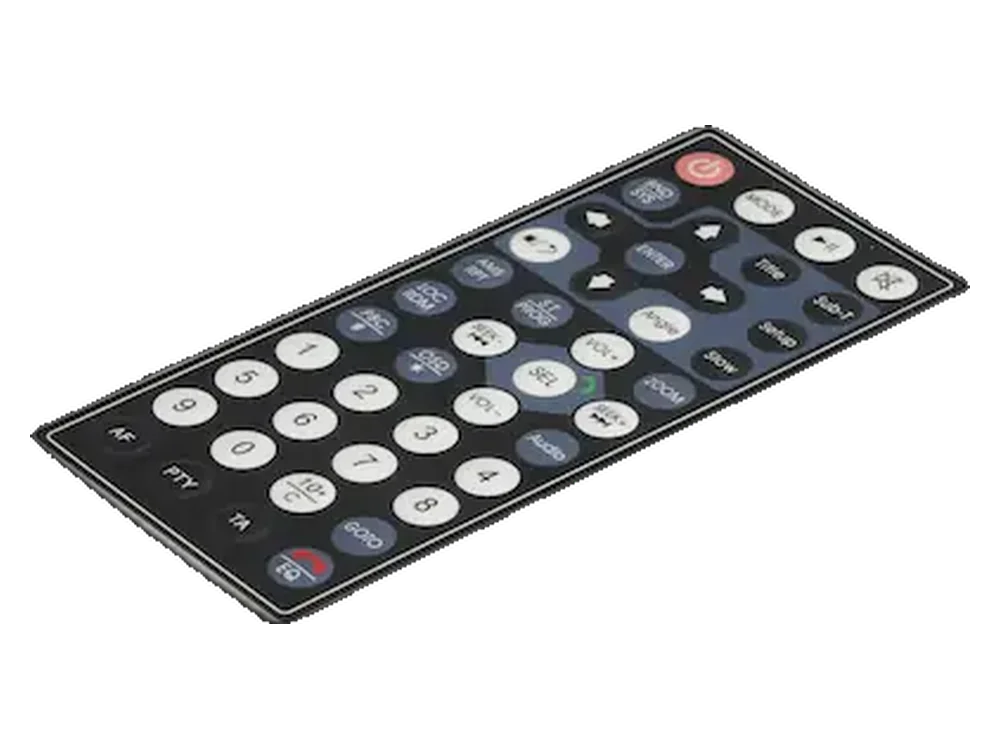
Material decisions that affect field performance
A material that looks acceptable in a sample can still fail if cleaning, bonding, sunlight, or repeated operation is not reviewed early.
Cleaning and chemicals
Confirm alcohol, disinfectants, oils, solvents, detergents, or customer-specific cleaning routines before film and coating selection.
UV and outdoor exposure
Outdoor panels need review of sunlight, temperature, humidity, water exposure, print protection, and Klebstoff behavior.
Windows and dead-front areas
Clear windows, LED icons, and dead-front graphics need control of opacity, registration, tint, scratch risk, and visible particles.
Questions to answer before selecting overlay materials
If the overlay is part of a membrane switch, material selection should also consider key flex life, tactile response, circuit layout, and Klebstoff stack.
| Question | Why it matters | Possible decision impact |
|---|---|---|
| How will the surface be cleaned? | Cleaning chemicals can damage film, coating, or print protection | Film type, hard coating, print stack, and compliance review |
| Will users press keys or only view labels? | Repeated key operation creates flex and tactile requirements | PET selection, embossing design, spacer structure, and dome review |
| Is the panel exposed to sunlight or outdoor conditions? | UV, humidity, heat, and cold affect appearance and bonding | Film, ink, coating, Klebstoff, and sealing decisions |
| Does the overlay include display windows? | Window clarity and scratches are highly visible to users | Transparent film, tint, dead-front print, and cleanroom handling |
| What is the housing material? | Adhesive performance depends on the mounting surface | Adhesive system, liner, mounting pressure, and surface preparation |
| Are RoHS, REACH, or UL-rated material options required? | Documentation should be planned before sampling | Material sourcing, declarations, lead time, and quotation scope |
Overlay-Projekt weiter planen
Informieren Sie sich über Grafikfolien, Materialoptionen, Druckverfahren und Fertigungsanforderungen, um Druckdaten und Spezifikationen für Ihre Angebotsanfrage vorzubereiten.
Fragen von OEM-Kaeufern
Is Polyester better than Polycarbonat for graphic overlays?
Not always. Polyester is often stronger for flex life and Chemikalienbestaendigkeit, but the best choice depends on the application, cleaning exposure, window needs, embossing, and cost target.
Can graphic overlays use UL-rated materials?
Yes. UL-rated material options can be reviewed when required by the product specification and qualified for the project structure.
Does Klebstoff count as part of graphic overlay material selection?
Yes. Adhesive is critical because it determines how the overlay bonds to the product housing. Housing material, surface texture, temperature, and installation pressure should be reviewed.
What material is better for display windows?
The answer depends on clarity, tint, scratch resistance, backlighting, dead-front graphics, and cleaning exposure. Window areas should be reviewed separately from the rest of the overlay.
Should material selection happen before artwork approval?
Yes. Material, Oberflaechenfinish, windows, embossing, and Klebstoff structure can affect artwork layers and sample approval. They should be reviewed before production artwork is locked.
Need help choosing graphic overlay materials?
Send your application environment, cleaning routine, window requirements, housing material, and compliance needs so JASPER can review practical material options.
Materialpruefung anfordern