
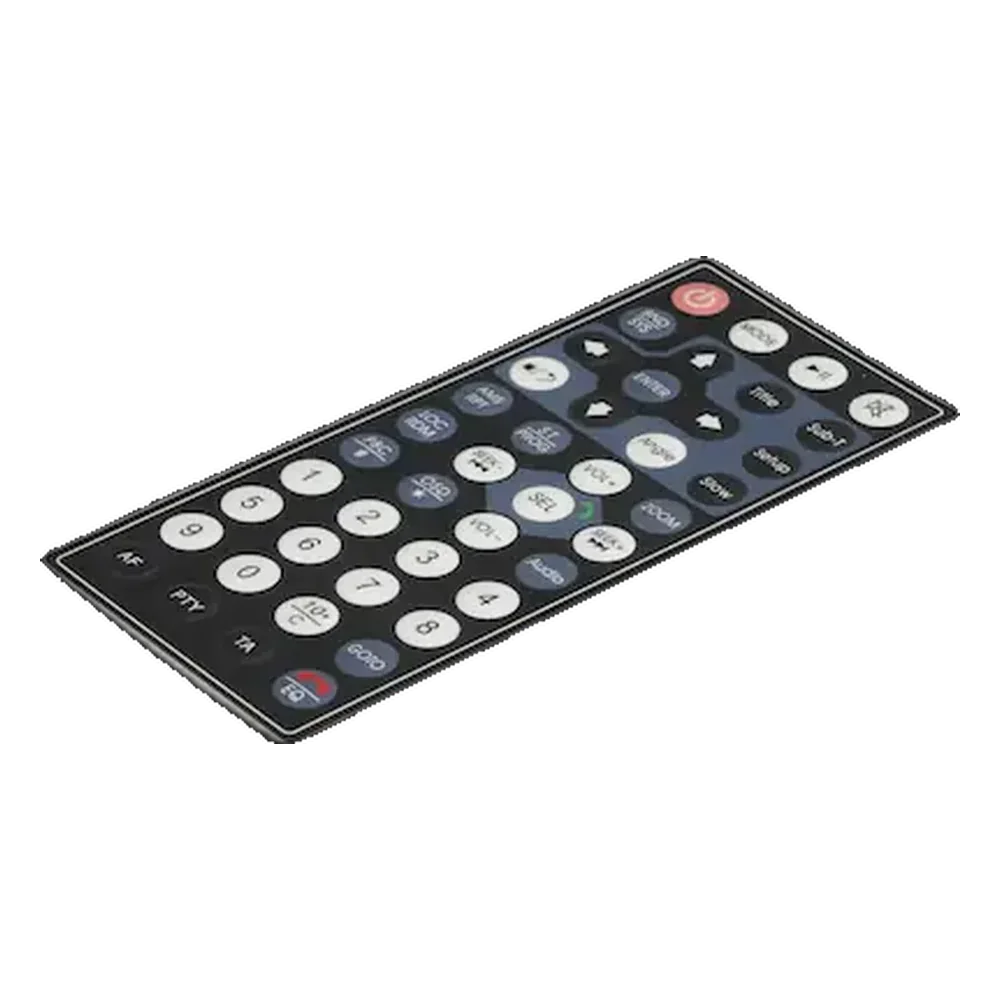
グラフィック オーバーレイとは何ですか?
グラフィック オーバーレイは、コントロール パネル、メンブレン スイッチ、キーパッド、または電子インターフェイスの前面に印刷されたものです。凡例、アイコン、表示ウィンドウ、色、表面仕上げ、および保護を提供します。
多くの場合、購入者は最初に視覚的な表面を知り、次に材料、印刷、接着剤の裏地、窓、および完全な製品構造へのオーバーレイ接続を確認する必要があります。
簡単な答え: グラフィック オーバーレイは、目に見える機能的なフロント レイヤーです。
グラフィック オーバーレイは、スタンドアロンの機器の表面またはメンブレン スイッチの最上層にすることができます。これには、表面下印刷、透明または着色されたウィンドウ、デッドフロント アイコン、エンボス加工、接着剤の裏地、テクスチャー、ハード コーティング、およびポリエステルやポリカーボネートなどの材料の選択が含まれます。
グラフィックオーバーレイは何をするのでしょうか?
グラフィック オーバーレイは単なる装飾ではありません。ユーザーの製品操作を支援し、印刷情報を保護します。
| Function | Description | What buyers should define |
|---|---|---|
| Identification | Shows labels, icons, logos, warnings, and instructions | Artwork files, colors, text size, icon meaning, revision control |
| Protection | Protects printed graphics from touch, abrasion, and cleaning | Subsurface printing, film selection, coating, cleaning exposure |
| User guidance | Groups buttons, displays, indicators, and warning zones | Layout hierarchy, contrast, button areas, operator environment |
| Display and LED windows | Provides clear, tinted, smoked, or dead-front viewing areas | Window material, clarity, opacity, LED position, dust control |
| Mounting and integration | Bonds to a housing or becomes part of a switch assembly | Adhesive type, liner, housing material, cutouts, assembly process |
| Surface appearance | Defines the visible front surface of the product | Gloss, matte, textured, hard-coated, brushed, or transparent areas |
一般的なグラフィックオーバーレイ構造
スタックはアプリケーションによって異なりますが、サンプルの承認前にこれらの領域を確認する必要があります。
| Area | Typical options | Why it matters |
|---|---|---|
| オーバーレイ film | Polyester, polycarbonate, hard-coated film, textured film | Affects durability, cleaning resistance, embossing, flexibility, and appearance |
| Printing method | Subsurface printing, opaque layers, transparent windows, color layers | Protects graphics and controls opacity, color, and dead-front effects |
| Window areas | Clear, tinted, smoked, display, LED, dead-front windows | Affects display readability, light transmission, scratches, and visible dust |
| Embossing | Key embossing, rim embossing, decorative raised areas | Helps locate keys or improve tactile guidance, but must match material and stack |
| Adhesive backing | Full adhesive, selective adhesive, gasket-like areas | Must match housing surface, temperature, mounting pressure, and service environment |
| Cutouts and shape | Holes, slots, outlines, connector exits, lens openings | Controls fit to the enclosure and surrounding product features |
Graphic overlay vs label vs membrane switch
These terms overlap visually but are not the same in engineering and quotation.
| Item | What it usually means | Important difference |
|---|---|---|
| Label | Printed identification or branding surface | Usually simpler; may not include windows, embossing, or switch integration |
| Graphic overlay | 機能 printed front surface for a control interface | Can include windows, adhesive, cutouts, dead-front icons, and switch integration |
| Membrane switch | Electrical switch assembly with overlay, spacer, circuit, contacts, tail, and connector | Sends electrical signals when pressed; overlay is usually only one layer |
| Control panel overlay | Graphic overlay used on a control panel or equipment face | Often emphasizes display windows, instructions, operator use, and enclosure bonding |
A graphic overlay must match the product surface and the use environment.
A sample that looks attractive can still fail if the film, printing, adhesive, window, or cleaning exposure is not selected for the application.
- Polyester is often selected when flex life, chemical resistance, and durable touch areas matter.
- Polycarbonate can be useful for certain appearance and forming requirements, but chemical and abrasion exposure should be reviewed.
- Subsurface printing protects graphics because the ink is behind the film instead of on the touch surface.
- Dead-front graphics require opacity and lighting control so icons remain hidden until activated.
- Adhesive performance depends on the housing material, surface texture, temperature, pressure, and cleaning routine.
RFQ note: Send artwork, dimensions, material preference, window details, LED positions, surface finish, housing material, cleaning exposure, and annual quantity.
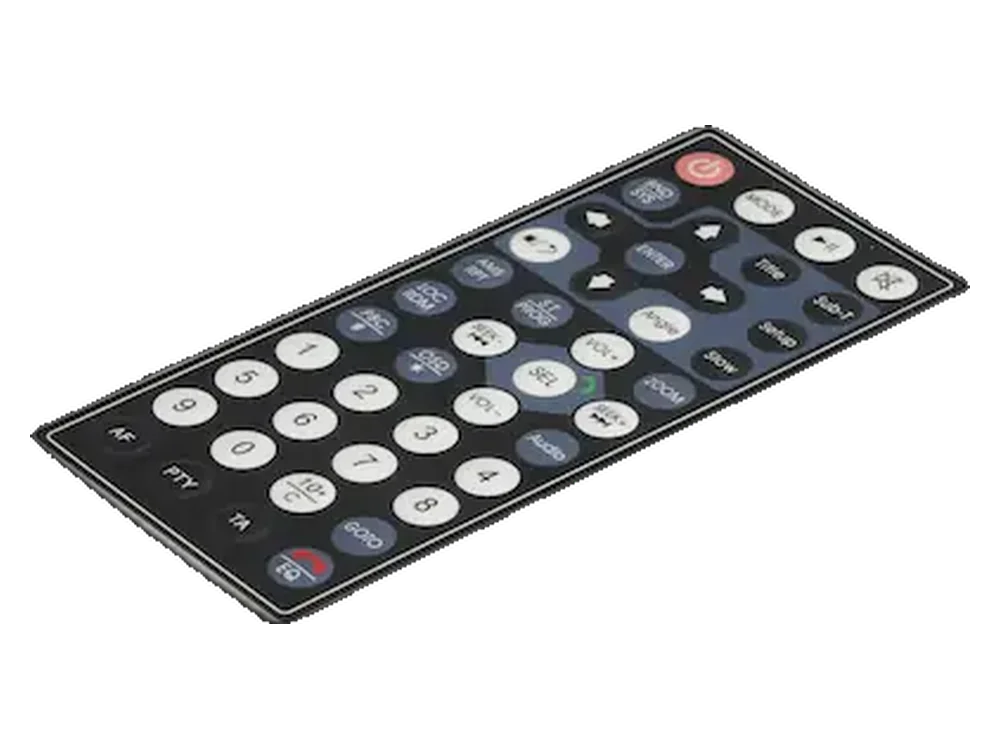
Common graphic overlay use cases
A graphic overlay can be used alone or as part of a larger switch or control assembly.
Membrane switches and keypads
The overlay becomes the visible top layer that shows key zones, icons, display windows, and branding while protecting the switch stack.
Control panels and equipment faces
A standalone overlay can identify functions, protect the surface, and bond to metal, plastic, powder-coated, or molded housings.
Display and LED interfaces
Clear, tinted, smoked, and dead-front windows can support displays, status indicators, lighted symbols, and hidden icons.
Medical and cleanable equipment
Smooth surfaces, chemical-resistant films, and protected printing can support repeated cleaning when requirements are defined early.
Industrial and outdoor panels
Material, adhesive, UV, abrasion, oil, moisture, and readability need review when the interface faces harsh use.
Brand and operator guidance
A good overlay combines product branding with readable instructions, warnings, button groupings, and user workflow.
Related design resources
Detailed buyer questions
Is a graphic overlay the same as a label?
No. A label may only identify a surface, while a graphic overlay often acts as a functional control-panel surface with windows, buttons, adhesive, cutouts, or membrane switch integration.
Can a graphic overlay be used without a membrane switch?
Yes. It can be used as a standalone control panel face, equipment identification panel, display cover, or front-panel overlay.
Can a graphic overlay have clear display windows?
Yes. Clear, tinted, smoked, and dead-front windows can be designed for displays and LEDs. Window areas need review for clarity, scratches, dust, and alignment.
What materials are used for graphic overlays?
Polyester, polycarbonate, hard-coated films, textured films, transparent window materials, and pressure-sensitive adhesives are common options. The right selection depends on the application.
Why is subsurface printing important?
Subsurface printing places graphics behind the film, helping protect them from direct abrasion, cleaning, and repeated touch.
Can graphic overlays be embossed?
Yes. Embossing can identify keys, provide tactile guidance, or add a raised design feature. It must match the film, switch structure, and expected use.
What causes graphic overlay failures?
Common causes include wrong adhesive for the housing, insufficient opacity, poor window clarity, weak material selection, color mismatch, dust in windows, and unclear revision control.
What should I send for a quotation?
Send artwork, drawings, material or finish preference, window details, housing material, cleaning exposure, adhesive needs, quantity, and any compliance requirement.
Need help defining a graphic overlay structure?
Send your artwork, enclosure material, window details, and application environment so JASPER can review material, printing, adhesive, and inspection options.
Request a Technical Review