
Kundenspezifische Sensorik für Fahrzeugsitze
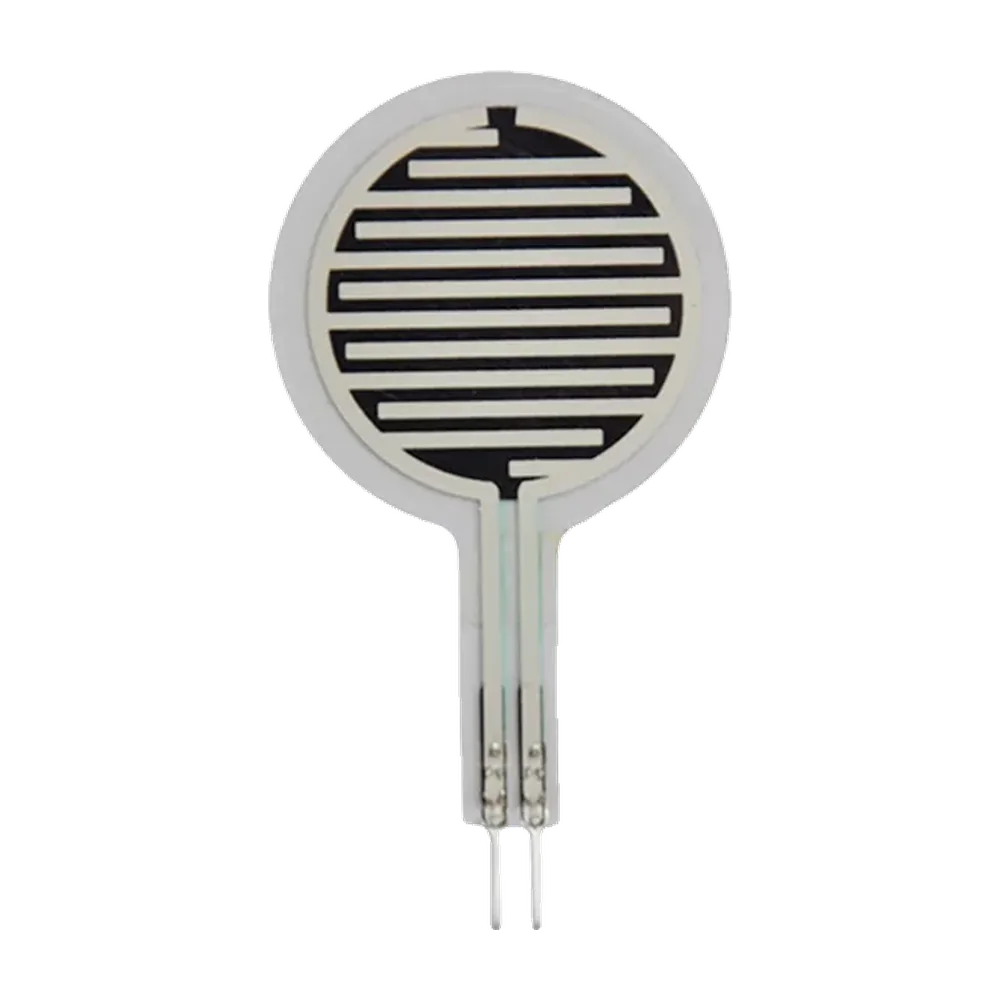
FSR-Sitzdrucksensor
Kraftabhängige Sitzdrucksensoren, abgestimmt auf das bestätigte Messprinzip und den Validierungsplan Ihres Sitzprojekts.
OEMs, die unsere Interface-Komponenten einsetzen





Kurzantwort
Ein FSR-Sitzdrucksensor ist ein flexibler Sitzdrucksensor auf Basis eines kraftabhängigen Widerstands, sofern dieses Messprinzip für das Projekt bestätigt wurde. Die Fahrzeug- oder Sitzelektronik wertet das Sensorsignal aus, um Sitzdruck, Sitzbelegung, Anwesenheit von Insassen oder die Logik einer Gurtwarnung zu unterstützen.
Bei JASPER Electronics behandeln wir nicht jedes Sitzbelegungsprojekt automatisch als FSR-Projekt. Wir prüfen Zeichnung, Sitzpolsteraufbau, gewünschtes Signalverhalten, Auslösekraft, Steckerkonzept und Validierungsmuster, bevor wir einen FSR-Sensor, einen kontaktbasierten Membrandrucksensor oder einen anderen flexiblen Sitzsensoraufbau empfehlen.
Überblick
JASPER Electronics unterstützt kundenspezifische Sitzdrucksensor-Projekte für OEM-Sitzsysteme, Gurtwarnsysteme, Insassenerkennung und verwandte Fahrzeugsitzanwendungen. Wenn ein Projekt kraftabhängige Widerstandstechnologie vorsieht, prüfen wir den FSR-Sensoraufbau anhand von Sensorfläche, Auslösekraft, elektrischem Ausgang, Steckverbinder und Einbauposition.
Ist das FSR-Messprinzip nicht bestätigt, bleibt die Konstruktion offen. Manche Sitzprojekte benötigen nur ein Belegt-/Unbelegt-Signal; dann kann eine kontaktbasierte Druckmatte oder ein flexibler Membrandrucksensor besser passen. Andere Projekte erfordern ein eher analoges Druckverhalten, für das ein FSR-Konzept in der technischen Bemusterung geprüft werden kann.
Wir helfen Einkäufern, Sitzaufbau und Signalanforderungen in einen fertigungsgerechten Sensor zu übertragen. Ein endgültiger FSR-Aufbau wird erst festgelegt, wenn die technische Prüfung Messprinzip, Schichtaufbau, Ausgangsanforderung und Validierungsweg bestätigt hat.
So funktioniert die Sitzdruckerfassung mit FSR
Bei einem FSR-Aufbau kann die auf die Sensorfläche wirkende Kraft eine messbare Widerstandsänderung erzeugen. Das Sitzsystem nutzt den Sensor nicht als alleinige Sicherheitsentscheidung. Die angeschlossene Elektronik liest das Signal aus und bewertet es anhand von Steuerlogik, Kalibrierplan und Validierungsprozess des Kunden.
Vereinfacht läuft die FSR-Sitzdruckerfassung wie folgt ab:
1. Der Sitz wird belastet — Ein Insasse, eine Prüflast oder der Sitzpolsterdruck übt Kraft auf die definierte Sensorfläche aus. 2. Das FSR-Sensorelement reagiert — Bei bestätigtem FSR-Messprinzip stellt das kraftabhängige Widerstandselement ein kraftbezogenes elektrisches Verhalten für die angeschlossene Schaltung bereit. 3. Die Elektronik liest das Signal — Das Steuergerät, Sitzmodul oder der Prüfadapter des Kunden wertet den Ausgang entsprechend der vereinbarten Signalanforderung aus. 4. Das System bestimmt den Sitzstatus — Je nach endgültigem Sensoraufbau kann das System den Sitz als belegt, unbelegt oder in einem projektspezifischen Druckzustand einstufen.
JASPER veröffentlicht keine allgemeingültigen Widerstandswerte. Das FSR-Verhalten hängt von Geometrie, Sensorfläche, Material, Schaltung, Schaumkompression, Einbauposition und Kalibrierung ab. Für ein reines Belegt-/Unbelegt-Signal ist möglicherweise gar kein FSR-Aufbau erforderlich.
FSR-Sitzsensoren im Vergleich zu kontaktbasierten Sitzsensoren
Beide Varianten können für Sitzdruckprojekte geeignet sein. Entscheidend ist, ob das System ein druckabhängiges Ausgangsverhalten oder lediglich einen eindeutigen Schaltzustand benötigt.
| Vergleichspunkt | FSR-Sitzdrucksensor | Kontaktbasierter Sitzsensor |
|---|---|---|
| Messprinzip | Kraftabhängiges Widerstandsverhalten bei bestätigtem FSR-Messprinzip | Mechanischer Kontakt oder Schließen eines Membranschalters unter definiertem Druck |
| Ausgangsverhalten | Kann bei entsprechender Auslegung und Kalibrierung ein kraftabhängiges Signal liefern | Unterstützt typischerweise eine Belegt-/Unbelegt- oder Offen-/Geschlossen-Logik |
| Konstruktionsaufwand | Erfordert meist eine genauere Abstimmung von Sensorfläche, Schaltung, Kennlinie und Elektronik | Meist einfacher, wenn das System lediglich eine Schaltschwelle benötigt |
| Anpassungsbedarf | Sensorzonen, Auslösekraft, Ausgangsanforderung, Steckverbinder und Validierungsmethode frühzeitig abstimmen | Kontaktposition, Distanzschichtöffnung, Schaltpunkt, Leitungsführung und Steckverbinder frühzeitig abstimmen |
| Geeignete Auswahl | Wenn das Sitzsystem ein FSR-Druckverhalten benötigt und die Elektronik dieses auswerten kann | Wenn das Sitzsystem nur ein stabiles Belegt-/Unbelegt-Signal benötigt |
Eine kontaktbasierte Lösung ist nicht grundsätzlich minderwertig. Für viele Gurtwarn- oder Anwesenheitsprojekte kann ein passend ausgelegter Membrandruckkontakt einfacher zu validieren, leichter zu integrieren und für das gewünschte Signal ausreichend sein.
Anpassungsmöglichkeiten
JASPER prüft FSR-Sitzdrucksensor-Projekte ausgehend vom Sitzaufbau. Der Sensor muss zu Polsterbereich, Leitungsführung, Steckerkonzept und dem erwarteten elektrischen Verhalten des Kundensystems passen.
| Anpassungspunkt | Was wir vor einer Empfehlung prüfen |
|---|---|
| Sensorfläche | Position im Sitzpolster, Größe der Druckzone und Bedarf an einer oder mehreren Zonen |
| Auslösekraft | Druckbedingung, bei der das System den Sitzstatus erkennen soll |
| Ausgangsanforderung | Binäres Schaltverhalten, FSR-basierte Kraftabhängigkeit oder ein anderes Signalkonzept |
| Flexible Sensorgeometrie | Kontur, Ausschnitte, Ecken, Anschlussfahnenrichtung und Passung unter dem Sitzpolster |
| Kabellänge | Kabelbaumführung von der Sensorposition zum Sitzmodul oder Anschlusspunkt |
| Steckverbinder | Kundenvorgaben zu Steckverbinder, Kontakt, Raster, Verriegelung und Montagerichtung |
| Einbauposition | Unter dem Schaum, nahe dem Bezug, im Druckmattenbereich oder in einem anderen bestätigten Sitzaufbau |
| Validierungsmuster | Prototypenmenge, Zeichnungsrevision, Prüfadapter und Rückmeldung zu Mustern |
Für eine frühe Angebotsprüfung sind Sitzzeichnung, gewünschte Sensorkontur, Einbauposition, Signal- und Steckeranforderungen sowie Prüfbedingungen hilfreich. Liegen diese Angaben noch nicht vor, können wir mit einer Anwendungsbeschreibung beginnen und offene Punkte für die technische Prüfung festhalten.
Anwendungen
Sitzbelegungserkennung
Ein FSR-Sitzbelegungssensor kommt infrage, wenn ein flexibler Sensor für Anwesenheits- oder druckabhängige Auswertung benötigt wird. Ist FSR nicht bestätigt, kann JASPER für dasselbe Erkennungsziel auch einen kontaktbasierten oder Membrandruck-Aufbau prüfen.
Gurtwarnsysteme
Gurtwarnsysteme müssen häufig erkennen, ob ein Insasse sitzt, bevor die Warnlogik aktiv wird. Bei bestätigtem FSR-Messprinzip kann ein FSR-Sitzdrucksensor diesen Eingang bereitstellen. Wird nur ein Belegt-/Unbelegt-Signal benötigt, kann auch ein kontaktbasierter Membransensor passen.
Insassenerkennung
Ein Sensor zur Insassenerkennung muss gegebenenfalls unter das Polster passen, ohne den Sitzkomfort zu verändern. JASPER prüft Zieldicke, Leitungsführung, Auslösekraft und Signalverhalten, bevor ein FSR- oder anderer Aufbau empfohlen wird.
Kundenspezifische Fahrzeugsitzsysteme
Dazu können Bus- und Beifahrersitze, Prüfsitze, Sonderfahrzeugsitze und nachrüstbare Sitzmodule gehören. Vor der Festlegung eines FSR-Konzepts in Zeichnung, Angebot und Musterplan wird das Messprinzip technisch bestätigt.
Abstimmung des Messprinzips
Das FSR-Prinzip muss in der technischen Prüfung bestätigt werden. Ein Sitzbelegungsprojekt verwendet nicht allein deshalb einen kraftabhängigen Widerstand, weil es zur Kategorie Sitzbelegungssensoren gehört.
Wird nur ein Belegt-/Unbelegt-Signal benötigt, kann auch ein kontaktbasierter Sitzsensor oder flexibler Membrandrucksensor geeignet sein. Ohne Bedarf an analogem, kraftabhängigem Verhalten lässt sich so unnötige Komplexität vermeiden.
JASPER prüft Zeichnung, Signalanforderung, Sitzaufbau, Sensorfläche, Auslösekraft, Leitungsführung und Steckverbinder vor der Empfehlung. Der endgültige Aufbau hängt von diesen Angaben und den Ergebnissen der Validierungsmuster ab.
Häufige Fragen
Was ist ein FSR-Sitzdrucksensor?
Ein FSR-Sitzdrucksensor ist ein flexibler Sitzdrucksensor mit kraftabhängigem Widerstand, sofern FSR als Messprinzip bestätigt ist. Die aufgebrachte Sitzbelastung erzeugt ein kraftbezogenes elektrisches Verhalten, das von der angeschlossenen Elektronik ausgewertet wird.
Ist jeder Sitzbelegungssensor ein FSR-Sensor?
Nein. Sitzbelegungssensoren können FSR, kontaktbasierte Membransensorik, kapazitive oder lastbasierte Erfassung und andere Aufbauten verwenden. Für ein reines Belegt-/Unbelegt-Signal kann ein Kontakt- oder Membrandrucksensor ausreichen. FSR sollte vor der entsprechenden Festlegung des Projekts bestätigt werden.
Kann JASPER einen FSR-Sitzdrucksensor kundenspezifisch anpassen?
Ja, sofern die Projektanforderungen einen FSR-Aufbau unterstützen. JASPER prüft Sensorfläche, Auslösekraft, flexible Geometrie, Ausgangsanforderung, Kabellänge, Steckverbinder, Einbauposition und Validierungsmuster. Ist FSR nicht geeignet, kann ein anderer flexibler Sitzdrucksensoraufbau empfohlen werden.
Projektprüfung anfragen
Senden Sie JASPER Electronics über die Angebotsanfrage Sitzzeichnung, gewünschte Sensorfläche, Signal- und Steckeranforderungen sowie Mustermenge. Wir prüfen, ob ein FSR-Sitzdrucksensor, ein kontaktbasierter Sensor oder ein anderer flexibler Membrandrucksensor zum Projekt passt.
Weiterführende Sitzsensoren
Sitzbelegungssensoren · Flexible Membran-Sitzdrucksensoren · Sitzdrucksensoren
Verwandte Sitzsensor-Produkte
Sitzbelegungssensor
In der Sitzsensor-Übersicht können Sie alle sieben Varianten vergleichen.
Zur Übersicht →Sitzdrucksensor für Fahrzeuge
Drucksensor-Baugruppe, abgestimmt auf Ihre Sitzelektronik.
Ansehen →Sensor für Gurtwarnsysteme
Belegungssignal zusammen mit Gurtschlossstatus für die Gurtwarnlogik.
Ansehen →Angebot anfordern
Senden Sie Sitzzeichnung, Sensorzone, Kabelführung und Steckverbinder.
Anfrage starten →Angebot für einen kundenspezifischen FSR-Sitzdrucksensor anfordern
Senden Sie Sitzzeichnung, Einbauposition, Sensorzone, Kabelführung, Steckeranforderung und Musterterminplan. Wir prüfen den Aufbau und melden uns mit Materialoptionen, Vorgehensweise und Angebot.
Individuelles Sitzsensor-Angebot anfordern