
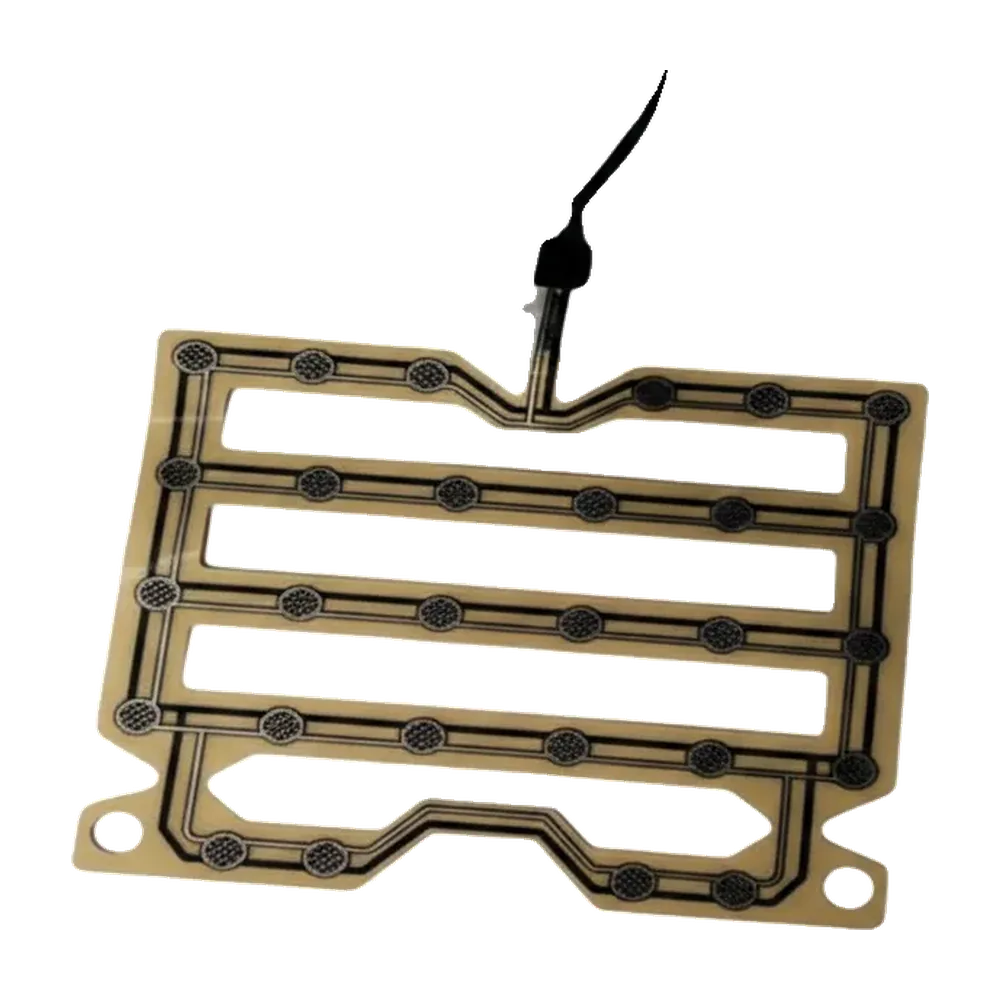
Kundenspezifische Sensorik für Fahrzeugsitze
Sitzdrucksensor
Kundenspezifische Sitzdrucksensor-Baugruppen für OEM-Sitzsysteme, abgestimmt auf Polsteraufbau, Elektronik und Validierungsplan.
OEMs, die unsere Interface-Komponenten einsetzen





Kurzantwort
Ein Sitzdrucksensor für Fahrzeuge ist eine dünne, in den Sitz integrierte Sensormatte, die Druck- oder Laständerungen am Sitzpolster erfasst. In OEM-Sitzprojekten kann sie die Belegungserkennung und Gurtwarnlogik unterstützen und entsprechend dem bestätigten Schaltungsdesign ein Druck- oder Kontaktsignal liefern. JASPER Electronics fertigt kundenspezifische Sitzdrucksensormatten für Sitzschaum, Polster, Bezüge und individuelle Sitzmodule. Nach Prüfung der Sitzzeichnung oder eines Musters passen wir Sensorfläche, Auslösedruck, Kabelführung, Steckverbinder und Einbaupassung an.
Hersteller kundenspezifischer Sitzdrucksensoren
JASPER Electronics entwickelt kundenspezifische Sitzdrucksensor-Lösungen für OEM-Fahrzeugsitze, Passagiererkennung und Gurtwarnsysteme. Wir unterstützen auch Anfragen unter den Bezeichnungen Sitzdrucksensor für Fahrzeuge, Sitzdrucksensor, Automotive-Sitzdrucksensor oder Drucksensormatte für Fahrzeugsitze anstelle des allgemeineren Begriffs „Sitzbelegungssensor“.
In der Praxis führen diese Begriffe häufig zur gleichen Konstruktionsfrage: Eine dünne, druckempfindliche Matte im Sitzaufbau soll einen belegten Sitz erkennen. Unser Schwerpunkt liegt auf Fahrzeugsitzen, nicht auf industrieller Druckmesstechnik. Ausgangspunkt sind der Sitzaufbau, der gewünschte Erkennungszustand und die bestätigte elektrische Schnittstelle des Kunden.
Unser Team in Dongguan unterstützt individuelle Konturen, Sensorzonen, Kabelausgänge, Steckverbinder und die Mustervalidierung. Materialaufbau, Widerstandskennlinie, Betriebstemperatur, Lebensdauer, IP-Schutzart und Automotive-Zertifizierungen werden nicht als unbestätigte allgemeine Werte zugesichert. Diese Angaben müssen im jeweiligen Projekt geklärt werden.
Sitzdrucksensor und Sitzbelegungssensor im Vergleich
Sitzdrucksensor und Sitzbelegungssensor können eng verwandte Produkte bezeichnen. Die Begriffe zeigen jedoch den Schwerpunkt der Anforderung: Bei „Drucksensor“ geht es meist um Last, Polsterkompression oder Auslösedruck; bei „Belegungssensor“ steht das Signal „belegt oder leer“ im Vordergrund.
| Begriff | Beschaffungsziel | Typischer Sitzeinsatz | Ausgangssignal und Erkennung | Passender Einsatz des Begriffs |
|---|---|---|---|---|
| Sitzdrucksensor für Fahrzeuge | Druck- oder Laständerungen auf einem Fahrzeugsitz erkennen | Sitzpolster, Sitzschaum, Bezug oder individuelles Modul | Druck- oder Kontaktverhalten entsprechend dem bestätigten Schaltungsdesign | Wenn eine Sensormatte auf den Sitzdruck oder eine Auslösebedingung abgestimmt werden soll |
| Sitzbelegungssensor | Erkennen, ob ein Sitzplatz belegt ist | Beifahrersitz, Rücksitz, Bussitz oder individueller Fahrzeugsitz | Belegt-/Leer-Zustand oder Systemeingang entsprechend der OEM-Auslegung | Wenn die Anfrage auf die Erkennung anwesender Passagiere ausgerichtet ist |
| Sitzdrucksensormatte | Die physische Matten- oder Padform beschreiben | Unter dem Schaum, im Polster oder unter dem Bezug | Druck- oder Kontakterkennung mit einer Sensormatte | Wenn eine flache, flexible Sensormatte benötigt wird |
| Sensor für Gurtwarnsysteme | Die Gurtwarnlogik mit einem Sitzbelegungssignal unterstützen | Vorderer Beifahrersitz, Rücksitz oder Nutzfahrzeugsitz | Belegungssignal in Verbindung mit dem Gurtschlossstatus | Wenn die Anwendung eine Gurtwarnfunktion unterstützt |
Für OEM-Einkäufer ist entscheidend, das Projekt nicht vorschnell anhand eines Suchbegriffs aufzuteilen. Senden Sie Sitzzeichnung, Einbauposition und gewünschten Erkennungszustand. Danach klären wir, ob Sitzdrucksensor, Sitzbelegungssensormatte oder Sensormatte für Gurtwarnsysteme die passende Bezeichnung für die Anfrage ist.
Wie ein Sitzdrucksensor die Insassenerkennung unterstützt
Ein Sitzdrucksensor reagiert auf Last oder Kompression im Sitzpolster und unterstützt so die Insassenerkennung. Er wird üblicherweise dort eingebaut, wo der Sitzaufbau bei Belegung wiederholbar Druck auf die Sensorfläche überträgt.
Der Sensor ist kein vollständiges Fahrzeugsystem. Er liefert entsprechend der bestätigten Auslegung einen Eingang zum Sitzzustand. Fahrzeugsystem, Gurtschlosssensor, Warnvorrichtung und Steuerlogik werden im OEM-Projekt festgelegt. JASPER fertigt die kundenspezifische Sensorkomponente und unterstützt ihre Anpassung an den Sitzaufbau.
Für ein Gurtwarnprojekt kann der Sitzdrucksensor den Belegungszustand liefern. Ein getrenntes Gurtschlosssignal liefert den Gurtstatus. Wie beide Signale verarbeitet werden, bestimmt das Fahrzeugsystem. Das OEM-Team muss das Gesamtsystem anhand seiner Projektanforderungen und der einschlägigen Vorgaben, etwa FMVSS Nr. 208 in den USA oder UN-Regelung Nr. 16 in Europa, validieren.
OEM-Referenzrahmen für Sitzdrucksensor-Projekte
OEM-Ingenieure betrachten einen Sitzdrucksensor als Komponente eines umfassenderen Sitz-, Kabelbaum- und Fahrzeugwarnsystems. Vorgaben wie FMVSS Nr. 208, UN-Regelung Nr. 16, UN-Regelung Nr. 14 und ISO 26262 können die Dokumentation sicherheitsbezogener Anforderungen prägen. Ihre Nennung zertifiziert jedoch keine einzelne JASPER-Sensorkomponente.
| Referenz | Mögliche Verwendung im OEM-Projekt | Abgrenzung für JASPER-Komponenten |
|---|---|---|
| FMVSS Nr. 208 | Insassenaufprallschutz und zugehöriger Fahrzeugsystem-Kontext in den USA | Keine Zertifizierungszusage; nur Referenz für das OEM-Projekt |
| UN-Regelung Nr. 16 | Einbau von Sicherheitsgurten und Rückhaltesysteme in UNECE-Märkten | Keine Zulassungszusage; OEM-Validierung erforderlich |
| UN-Regelung Nr. 14 | Verankerungen von Sicherheitsgurten in Fahrzeugsitzsystemen | Keine Zulassungszusage; Anforderung auf Fahrzeugebene |
| ISO 26262 | Prozessreferenz für funktionale Sicherheit von Straßenfahrzeugen | Keine ASIL- oder Zertifizierungszusage; das Kundenprojekt bestimmt den Prozessumfang |
Diese Abgrenzung ist wichtig: JASPER fertigt die kundenspezifische Sitzdrucksensormatte, unterstützt die Zeichnungsprüfung und liefert Muster für die Validierung. Das OEM- oder Tier-1-Projekt definiert das vollständige Sitzsystem, die Warnlogik, das Prüfverfahren und die Konformitätsdokumentation.
Anpassungsoptionen für OEM-Sitzprojekte
Jedes Sitzpolster verhält sich anders. Schaumdicke, Bezugsspannung, Sitzwannengeometrie, Platz für den Kabelausgang und Steckverbinderposition beeinflussen die Sensorauslegung. Wir prüfen diese Angaben, bevor wir Sensorfläche, Auslösekonzept und Musterplan empfehlen.
| Anpassungsbereich | Was wir anpassen können | Benötigte Kundenangaben |
|---|---|---|
| Sensorfläche | Ein- oder Mehrzonenaufbau passend zum belasteten Sitzbereich | Sitzzeichnung, Polsterquerschnitt und vorgesehene Passagierposition |
| Auslösedruck | Auf den Sitzaufbau abgestimmte Aktivierungsbedingung | Erwartete Belastung, Schaumkompression und Validierungsziel |
| Sensorkontur | Rechteckige, konturgeschnittene oder individuelle Form | CAD-Zeichnung, Einbauraummaße und Einbaugrenzen |
| Kabelführung | Kabelaustrittsrichtung und geschützter Leitungsweg | Kabellänge, Austrittsseite, Verlegeraum und Biegebereich |
| Steckverbinder | Zum OEM-Kabelbaum passender Steckertyp | Steckerzeichnung, Gegenstecker und bestätigte Kontaktanforderungen |
| Feuchtigkeitsschutz | Feuchtigkeitsbeständiger Aufbau entsprechend dem Projektbedarf | Expositionsbereich, Reinigungsbedingungen und Sitzumgebung |
| Anpassung an Sitzschaum und Polster | Prüfung von Mattendicke und Positionierung am tatsächlichen Sitz | Schaummuster, Polsteraufbau und Druckstellen des Bezugs |
| OEM-/ODM-Unterstützung | Zeichnungsprüfung, Musterfertigung und Produktionsunterlagen | Geplante Jahresmenge, Mustermenge und Verpackungsanforderungen |
Liegt bereits eine Zeichnung der Sitzbelegungssensormatte vor, arbeiten wir auf dieser Grundlage. Gibt es zunächst nur ein Sitzmuster, beginnen wir mit Einbaubereich, Kabelführung und gewünschtem Erkennungszustand.
Anwendungen
JASPER konzentriert sich bei Sitzdrucksensoren auf Fahrzeugsitze. Das druckbasierte Sensorkonzept lässt sich für Beifahrersitze, Rücksitze, Nutzfahrzeugsitze und individuelle Sitzmodule anpassen, sobald mechanischer Aufbau und Signalanforderung bestätigt sind.
| Anwendung | Sensoraufgabe | Konstruktionshinweise |
|---|---|---|
| Beifahrererkennung | Erkennen, ob der Beifahrersitz belegt ist | Sensorposition auf den hauptsächlichen Lastbereich im Polster abstimmen |
| Rücksitzerkennung | Belegungssignal für hintere Sitzplätze bereitstellen | Kabelführung und Steckverbinderposition erfordern häufig eine individuelle Auslegung |
| Gurtwarnsysteme | Belegungssignal für SBR-Projekte liefern | Mit dem im OEM-Projekt definierten Gurtstatussignal kombinieren |
| Nutzfahrzeugsitze | An Sitzaufbauten von Bussen, Taxis oder Flottenfahrzeugen anpassen | Sitzbreite, Nutzungsmuster und Kabelbaumführung validieren |
| Individuelle Sitzmodule | An nicht standardisierte Fahrzeug- oder Gerätesitze anpassen | Zeichnung oder Muster vor Festlegung der Sensorgeometrie bereitstellen |
JASPER unterscheidet Sitzdrucksensoren von allgemeinen Industriedrucksensoren, weil andere Konstruktionsaufgaben vorliegen. Bei Fahrzeugsitzen sind Schaumkompression, Sitzhaltung, Polstergeometrie und Kabelführung in einer beweglichen Sitzbaugruppe zu berücksichtigen.
Angaben für Ihre Anfrage
Eine klare Anfrage ermöglicht die Kalkulation der passenden Sitzdrucksensormatte, ohne aus einer kurzen Produktbezeichnung Annahmen ableiten zu müssen. Senden Sie für die erste Prüfung die folgenden Angaben. Kennzeichnen Sie offene Punkte als „noch nicht festgelegt“; wir klären dann den nächsten technischen Schritt.
| Angabe | Was Sie senden sollten | Warum die Angabe wichtig ist |
|---|---|---|
| Sitztyp | Beifahrersitz, Rücksitz, Bussitz oder individueller Sitz | Definiert die mechanische Umgebung |
| Einbauposition | Unter dem Schaum, im Polster, unter dem Bezug oder in einem Modulhohlraum | Bestimmt Sensorkontur und Kabelausgang |
| Gewünschter Erkennungszustand | Schwellenkonzept für belegt/leer oder Ziel der Druckaktivierung | Grundlage für die Abstimmung des Auslösedrucks |
| Steckerzeichnung | Steckermodell, Gegenstecker und gegebenenfalls bestätigte Anschlussbelegung | Vermeidet unpassende Kabelbaumanschlüsse bei der Bemusterung |
| Kabellänge | Erforderliche Länge und Austrittsrichtung | Beeinflusst Leitungsführung und Montage |
| Produktionsmenge | Mustermenge und geplante Jahresmenge | Unterstützt Werkzeug-, Verpackungs- und Prozessplanung |
| Umgebungsanforderungen | Feuchtigkeitseinwirkung, Reinigungsverfahren und Sitzposition | Grundlage für die Schutz- und Abdichtungsprüfung, ohne eine IP-Schutzart vorauszusetzen |
| Zeichnung oder Muster | CAD-Datei, 2D-Zeichnung, Polstermuster oder Sitzmodul | Verringert Nacharbeit während der Prototypenvalidierung |
Besonders hilfreich sind eine Sitzzeichnung, der markierte Einbaubereich, eine Steckerzeichnung und eine kurze Beschreibung des erwarteten Belegungszustands. Ein Polstermuster kann die Prüfung beschleunigen, wenn sich die Geometrie zweidimensional nur schwer beschreiben lässt.
Technische Hinweise zur Sitzintegration
Die Auslegung eines Sitzdrucksensors ist nicht nur eine elektrische Aufgabe. Der mechanische Aufbau bestimmt, ob wiederholbarer Druck am Sensor ankommt. Liegt die Matte zu weit vom Lastbereich entfernt, kann das Signal instabil sein. Verläuft der Kabelausgang durch einen stark gebogenen Bereich, ist möglicherweise eine andere Führung erforderlich.
Bei der OEM-Prüfung betrachten wir Sitzschaum, Polsteroberfläche, Bezugsdruck, Sensorkontur und Kabelführung gemeinsam. Je nach bestätigter Schaltung kann der Aufbau ein Druck-/Kontaktsignal, ein Belegt-/Leer-Signal oder einen anderen Ausgang liefern. Leistungszusagen setzen die Prüfung der Zeichnungen und Musteranforderungen voraus.
Wird ein FSR beziehungsweise kraftabhängiges Widerstandsverhalten gefordert, muss dieses Messprinzip technisch bestätigt werden. Erst dann wird der Aufbau als FSR-Sitzdrucksensor festgelegt. Für eine reine Belegungserkennung kann ein membranbasierter Druckkontakt ausreichen. Entscheidend sind Zielsignal und Validierungsplan des Sitzes.
SBR-Sensoren für Gurtwarnsysteme
SBR steht für Safety Belt Reminder oder Seat Belt Reminder, also eine Sicherheitsgurt-Erinnerung. Der Sitzdrucksensor erkennt die Sitzbelegung; der Gurtschlosssensor meldet, ob der Gurt geschlossen ist. Warnleuchte, Warnton und weiteres Erinnerungsverhalten werden im Fahrzeugprojekt festgelegt.
Ein Sensor für Gurtwarnsysteme muss nicht für jeden Sitz dieselbe Form haben. Vorder- und Rücksitze, Buspassagiersitze und individuelle Fahrzeugsitze können unterschiedliche Sensorflächen, Kabelausgänge und Steckerpositionen benötigen. JASPER passt die Sensormatte nach Prüfung des OEM-Sitzdesigns an.
JASPER bietet keine Anleitung zur Veränderung von Fahrzeugwarnfunktionen. Unser Leistungsumfang ist die kundenspezifische Sensorfertigung für reguläre OEM-Sitzprojekte, Entwicklungsmuster und Serienversorgung.
Fertigungs- und Musterablauf
Unser Entwicklungsablauf beginnt beim Sitz, nicht bei einer festen Katalogmatte. Wir prüfen die Anwendung, definieren die Sensorfläche, fertigen Muster und passen den Entwurf anhand der Validierungsrückmeldungen des Kunden an.
| Schritt | Was JASPER übernimmt | Ergebnis für den Kunden |
|---|---|---|
| 1. Anforderungsprüfung | Sitzzeichnung, Einbauposition, Kabelführung und Steckverbinderbedarf prüfen | Abgestimmte Projektanforderungen |
| 2. Sensorlayout | Kontur, Sensorfläche, Kabelausgang und Steckerkonzept definieren | Zeichnungsfreigabe oder Rückmeldungen |
| 3. Musterfertigung | Entwicklungsmuster entsprechend dem vereinbarten Entwurf fertigen | Rückmeldung aus der Musterprüfung |
| 4. Konstruktionsanpassung | Geometrie, Kabelführung oder Auslösebedingung bei Bedarf abstimmen | Aktualisierte Zeichnung oder Validierungsvermerk |
| 5. Produktionsvorbereitung | Produktionsdaten, Verpackungsdetails und Prüfpunkte vorbereiten | Beschaffungsplan und Lieferterminplanung |
Für nordamerikanische und westeuropäische OEM-Einkäufer ist das Validierungsverfahren eine wichtige frühe Entscheidung. Wenn das Sitzteam festlegt, wie es das Verhalten bei belegtem und leerem Sitz prüfen wird, können wir die Muster besser auf die tatsächlichen Sitzbedingungen abstimmen.
Weiterführende Produktinformationen
Diese JASPER-Produktseiten helfen Ihnen, zwischen Druckerfassung, Belegungserkennung, Gurtwarnfunktion und membranbasiertem Aufbau zu unterscheiden:
– Sitzbelegungssensoren – Übersicht der Fahrzeugsitzsensoren; Sitzbelegungssensormatte – flache Sensorbauform zur Anwesenheitserkennung im Sitz; Flexibler Membran-Sitzdrucksensor – Aufbau und Fertigung dünner, flexibler Sensorstrukturen; Sensor für Gurtwarnsysteme – Sensorintegration in SBR-Projekte; Beifahrer-Sitzbelegungssensor – Erkennung belegter Passagiersitze; Bus-Sitzbelegungssensor – Anwendungen in Bussen und Nutzfahrzeugen.
Häufige Fragen
Was ist ein Sitzdrucksensor für Fahrzeuge?
Ein Sitzdrucksensor ist ein dünnes Sensorpad oder eine Sensormatte zur Erfassung von Druck- oder Laständerungen am Fahrzeugsitzpolster. OEM-Teams nutzen ihn für Sitzbelegungs-, Passagiererkennungs- oder Gurtwarnprojekte, wenn Schaltung und Sitzaufbau entsprechend abgestimmt sind.
Wie wird ein Sitzdrucksensor zur Belegungserkennung eingesetzt?
Der Sensor wird dort eingebaut, wo sich die Polsterkompression ändert, sobald eine Person Platz nimmt. Er liefert entsprechend der bestätigten Auslegung ein Druck-/Kontaktsignal oder ein Belegungssignal. Das vollständige Fahrzeugsystem wertet diesen Eingang mit seiner eigenen Logik aus.
Ist ein Sitzdrucksensor dasselbe wie ein Sitzbelegungssensor?
In vielen OEM-Sitzprojekten bezeichnen die Begriffe eng verwandte Produkte. „Sitzdrucksensor“ betont meist Last oder Auslösedruck, „Sitzbelegungssensor“ die Unterscheidung zwischen belegt und leer. Wir empfehlen, den Begriff nach dem Anfrageziel zu wählen und nicht vorschnell getrennte Konstruktionen anzulegen.
Kann JASPER Auslösedruck und Sensorfläche anpassen?
Ja. Nach Prüfung einer Zeichnung oder eines Musters passen wir Sensorfläche, Auslösekonzept, Kontur, Kabelführung, Steckverbinder und Polsterpassung an. Die genaue Auslegung hängt von Sitzschaum, Einbauposition, Erkennungsziel und bestätigter elektrischer Schnittstelle ab.
Was bedeutet SBR-Sensor?
SBR steht für Safety Belt Reminder oder Seat Belt Reminder. In Fahrzeugsitzprojekten bezeichnet es üblicherweise einen Sensor, der die Sitzbelegung erkennt. Das Fahrzeugsystem vergleicht dieses Signal mit dem Gurtstatus und steuert die Erinnerungsfunktion.
Was macht ein Sensor für Gurtwarnsysteme?
Er erkennt, ob ein Sitz belegt ist, und wird meist zusammen mit einem Gurtschlosssensor und der Fahrzeugwarnlogik eingesetzt. Der Drucksensor liefert das Belegungssignal; das OEM-System legt das endgültige Warnverhalten fest.
Kann JASPER Sensoren für Gurtwarnsysteme an OEM-Sitze anpassen?
Ja. Wir passen Sensorzone, Auslösekonzept, Kontur, Kabellänge, Steckverbinder und Einbauposition an. Zum Projektstart benötigen wir Sitzzeichnung, Einbauort, Steckeranforderungen und gewünschten Erkennungszustand.
Verwandte Sitzsensor-Produkte
Sitzbelegungssensoren
Vergleichen Sie alle sieben Varianten in der Sitzsensor-Übersicht.
Zur Übersicht →Sitzdrucksensor
Drucksensor-Baugruppe, abgestimmt auf Ihre Sitzelektronik.
Ansehen →Sensor für Gurtwarnsysteme
Belegungssignal zusammen mit dem Gurtschlossstatus für die Gurtwarnlogik.
Ansehen →Angebot anfordern
Senden Sie Sitzzeichnung, Sensorzone, Kabelführung und Steckerdaten.
Anfrage starten →Angebot für einen kundenspezifischen Sitzdrucksensor anfordern
Senden Sie Sitzzeichnung, Einbauposition, Sensorzone, Kabelführung, Steckeranforderungen und Musterterminplan. Wir prüfen den Aufbau und melden uns mit Materialvorschlag, Vorgehensweise und Angebot.
Angebot für Sitzsensor anfordern