
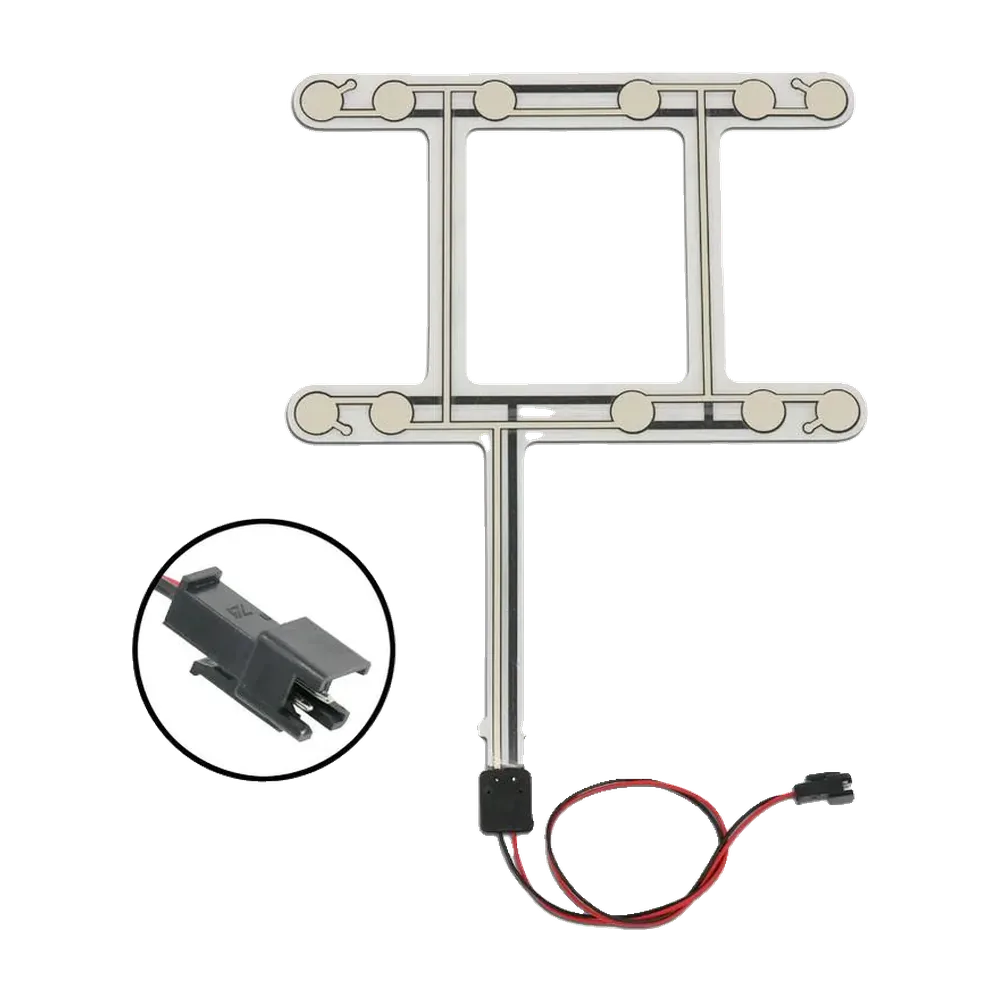
Kundenspezifische Sensorik für Fahrzeugsitze
Beifahrer-Sitzbelegungssensor
Kundenspezifische Beifahrer-Sitzbelegungssensoren für Vorder- und Rücksitze mit Sensorzone und Auslöseschwelle passend zum Sitzpolster.
OEMs, die unsere Interface-Komponenten einsetzen





Kurzantwort
Ein Beifahrer-Sitzbelegungssensor ist eine druckempfindliche Sitzmatte oder ein Membransensor zur Erkennung eines belegten Passagiersitzes. Je nach Sitzprojekt wird er unter dem Schaum, im Polsteraufbau, unter dem Bezug oder in einem kundenspezifischen Sitzmodul eingebaut, damit das Sitzsystem die Anwesenheit eines Insassen erkennen kann.
JASPER Electronics fertigt kundenspezifische Beifahrersitzsensoren für OEM- und individuelle Sitzprojekte. Im Mittelpunkt stehen druckbasierte Insassenerkennung, Anwesenheitserfassung, Unterstützung der Gurtwarnung und Integration von Sensormatten. Sensorfläche, Auslösebedingung, Geometrie, Kabelführung, Steckverbinder, Polsterpassung, Feuchtigkeitsschutz und Musterprüfung werden anhand der Kundenzeichnung oder eines Sitzmusters festgelegt.
Überblick
JASPER Electronics fertigt kundenspezifische Druck- und Membransensoren für Fahrzeugsitze. Ausgangspunkte eines Beifahrer-Sitzbelegungsprojekts sind Sitzzeichnung, Polsterquerschnitt, gewünschte Erkennungsbedingung, Kabelbaumführung, Steckeranforderung und Musterterminplan. Diese Komponenten werden auch als Beifahrersitzsensoren, Passagiererkennungssensoren oder Sensoren zur Anwesenheitserkennung im Sitz bezeichnet.
Wir prüfen Projekte für vordere und hintere Passagiersitze, Nutzfahrzeugsitze und individuelle Fahrzeugsitze. Die Produktfamilie kann auch Gurtwarnsysteme unterstützen, wenn die Sitzelektronik ein Belegungssignal und den Gurtschlossstatus benötigt. JASPER liefert die kundenspezifische Sensorkomponente; die endgültige Steuerlogik gehört zur Fahrzeug- oder Sitzsystementwicklung des Kunden.
Öffentliche Darstellungen wie der HowStuffWorks-Artikel zu Insassenklassifizierungssystemen behandeln neben Drucksensoren auch Steuergeräte und die Fahrzeuglogik. Hier geht es gezielt um die kundenspezifische Druck- oder Membransensormatte, die in den Passagiersitz integriert wird.
Anwendungsfälle der Passagiersitzerkennung
Passagiersitzerkennung erfordert keine einheitliche Bauform. Vorder- und Rücksitze, Nutzfahrzeugsitze und individuelle Sitzmodule leiten Belastungen in unterschiedliche Polsterbereiche ein. Deshalb behandelt JASPER Sensorkontur und Sensorzone als projektspezifische Konstruktionsmerkmale.
| Anwendungsfall | Erkennungsziel | Typische Sitzposition | Konstruktionsschwerpunkt bei JASPER | Benötigte Kundenangaben |
|---|---|---|---|---|
| Vorderer Beifahrersitz | Erkennung, ob der vordere Beifahrersitz belegt ist | Unter dem Schaum, im Polster oder unter dem Bezug | Sensorzone entlang des hauptsächlichen Lastpfads des Insassen | Sitzzeichnung, Polsterquerschnitt, Kabelausgangsseite und Steckerdaten |
| Hinterer Passagiersitz | Anwesenheitserkennung auf einem hinteren Sitzplatz | Rücksitzbank, geteiltes Rücksitzpolster oder modularer Sitz | Individuelle Kontur passend zu Polstergeometrie und Bezugsprozess | Sitzlayout, gewünschte Sitzzone, Kabelbaumführung und Montagegrenzen |
| Passagiersitz im Nutzfahrzeug | Insassenerkennung in Arbeitsfahrzeugen, Taxiprojekten oder Sonderkabinen | Einzelner Passagiersitz oder wiederkehrendes Sitzmodul | Robuste Leitungsführung, eindeutiger Anschlussfahnenausgang und Muster-Passprüfung | Sitzmuster, Einbaufoto, Steckeranforderung und Validierungsplan |
| Individuelles Sitzsystem | Belegungserkennung in einem nicht standardisierten Fahrzeugsitz | Individuelles Polster, herausnehmbares Modul oder projektspezifischer Sitz | Geometrie, Sensorfläche, Kabelführung und Schutz entsprechend dem verfügbaren Bauraum | 2D-/3D-Zeichnung, markiertes Foto, erwartetes Signalverhalten und Musterterminplan |
Die Anwendungen in der Tabelle sind Beispiele und keine festen Katalogmodelle. Vor der Festlegung des Sensorlayouts prüft JASPER bei jeder Anfrage den tatsächlichen Sitzaufbau.
Umfang der druckbasierten Erkennung
JASPER konzentriert sich auf druckbasierte Sensoren, Membransensoren und Sitzsensormatten. Der Anwesenheitssensor reagiert auf Last oder Kontakt in einer definierten Fläche. Beim Hinsetzen verändert die Polsterkompression den Zustand im Sensorbereich; die bestätigte Schaltung liefert anschließend das für das Sitzprojekt erforderliche Signalverhalten.
Kamera- oder radarbasierte Insassenerkennung sowie die fahrzeugweite Klassifizierungslogik sind nicht Bestandteil dieses Angebots. Die öffentliche Patentschrift US20060192417A1 beschreibt eine Sitzbelegungsmatte mit druckempfindlichen Sensorelementen zwischen Mattenfolien und dient hier nur der allgemeinen Begriffseinordnung. Materialaufbau, Schaltung und Validierungsplan eines JASPER-Projekts werden anhand von Sitzzeichnung und Musterprüfung festgelegt.
Für OEM-Ingenieure reicht die Frage nach der Personenerkennung allein nicht aus. Entscheidend sind der Lastpfad im Polster, die zu erfassende Fläche, die Auslösebedingung für den Belegungszustand und ein Kabelausgang ohne schädliche Knickbelastung.
Anpassungsmöglichkeiten
JASPER kann einen Passagiererkennungssensor an den verfügbaren Sitzbauraum anpassen. Die folgenden Konstruktionspunkte werden normalerweise vor der Prototypenbemusterung geklärt.
| Projektphase | Sensorfläche | Auslösebedingung | Sensorgeometrie | Kabelführung | Steckverbinder | Passung zum Sitzpolster | Feuchtigkeitsschutz | Mustervalidierung |
|---|---|---|---|---|---|---|---|---|
| Angebotsprüfung | Vorgesehene Belastungszone des Insassen | Vom Kunden beschriebene Bedingung für einen belegten Sitz | Draufsichtkontur oder verfügbarer Bauraum | Ausgangsseite und Kabelbaumrichtung | Gegenstecker, benötigte Kontakte oder Referenzzeichnung | Schaumdicke, Bezugsprozess und Polsteraufbau | Expositionsrisiko und Reinigungsbedingungen | Prüfung von Sitzmuster, markiertem Foto oder Zeichnung |
| Konstruktionsvorschlag | Definierter Erfassungsbereich | Projektspezifisches Auslösekonzept mit noch zu validierenden Kennwerten | Individuelle Matten- oder Sensorgeometrie | Anschlussfahnenlänge, Biegebereich und Zugentlastung | Steckerauswahl oder kundenseitig vorgegebenes Bauteil | Passprüfung an Polstergrenzen und freizuhaltenden Bereichen | Schutzaufbau nach Prüfung der Umgebungsbelastung | Prototypenlayout zur Freigabe |
| Prototypenprüfung | Bestätigte Kontaktfläche im tatsächlichen Sitz | Prüfung des Erkennungsverhaltens im Mustersitz | Geometrieanpassung bei verändertem Lastpfad im Polster | Anpassung des Kabelausgangs bei Montagebelastungen | Stecker-Passprüfung mit dem Kabelbaum | Prüfung von Sitzfläche und Polsterkompression | Prüfung der Belastungen bei Handhabung und Montage | Muster-Rückmeldungen als Grundlage der Zeichnungsrevision |
Für Beifahrer-Sitzbelegungssensoren gibt es keinen von uns veröffentlichten universellen Auslösewert. Schaumdichte, Polsterdicke, Bezugsspannung, Lastpfad des Insassen und Montageprozess beeinflussen die geeignete Aktivierungsbedingung. Die Validierung erfolgt deshalb am Mustersitz.
Hinweise zur Integration
Die Schaumkompression bestimmt, wie Druck die Sensorschicht erreicht. Dünne Polster, dicke Schaumblöcke, ausgeprägte Seitenwangen oder tiefe Bezugsnähte können den Lastpfad verschieben. Deshalb bittet JASPER vor der endgültigen Festlegung der Sensorgeometrie um einen Polsterquerschnitt oder ein physisches Sitzmuster.
Die Lastschwelle ist projektspezifisch. Der Kunde legt Belegungsbedingung, Validierungsmethode und Systemeingang fest. JASPER stimmt Sensorgeometrie und Kontaktfläche durch Zeichnungsprüfung und Mustertests darauf ab.
Der Kabelausgang sollte frühzeitig geplant werden. Auch eine gute Sensormatte kann an der Passprüfung scheitern, wenn die Anschlussfahne an einem Scharnier, Metallhalter, Schaumkanal oder in der Zugrichtung des Bezugs austritt. Das Sitzteam sollte Kabelbaumführung, Steckerposition, Biegestellen und Platz für die Zugentlastung kennzeichnen.
Bei Gurtwarnsystemen kann der Sitzbelegungssensor den Belegungszustand liefern, während der Gurtschlosssensor den Verriegelungsstatus meldet. Die Warnlogik vergleicht beide Signale entsprechend der Kundensystemauslegung. JASPER liefert die kundenspezifische Sensormatte; die endgültige Warnlogik liegt beim Fahrzeug- oder Sitzsystem.
Für eine zügige Angebotsprüfung helfen fünf Angaben: Sitzzeichnung, Einbauposition, gewünschte Sensorfläche, Kabelführung und Steckeranforderung. Ein physisches Sitzmuster ist nützlich, wenn sich der Kompressionspfad aus CAD-Daten schwer beurteilen lässt.
Häufige Fragen
Was ist ein Beifahrer-Sitzbelegungssensor?
Ein Beifahrer-Sitzbelegungssensor ist eine druckempfindliche Sitzmatte oder ein Membransensor zur Erkennung eines belegten Passagiersitzes. Je nach Sitzaufbau befindet er sich unter dem Schaum, im Polster, unter dem Bezug oder in einem individuellen Sitzmodul.
Ist ein Beifahrer-Sitzbelegungssensor dasselbe wie ein Kamera- oder Radarsystem zur Insassenerkennung?
Nein. JASPER behandelt hier die druckbasierte Erkennung mit einem Membransensor oder einer Sitzmatte im Polster. Kamera- und Radarsysteme verwenden andere Messverfahren und gehören zu einer anderen Systemkategorie. Unser Schwerpunkt ist die kundenspezifische Fertigung von Druck-, Membran- und Sitzmattensensoren.
Kann JASPER Passagiersitzsensoren für verschiedene Sitzaufbauten anpassen?
Ja. JASPER passt Sensoren an unterschiedliche Schäume, Polster, Bezüge, Kabelführungen, Steckverbinder und Sensorzonen an. Wir prüfen Zeichnung oder Sitzmuster, legen Kontur und Kabelausgang fest, fertigen Prototypen und überarbeiten die Zeichnung nach der Sitzvalidierung.
Angebot für einen Passagiersitzsensor anfordern
Für ein OEM- oder individuelles Sitzprojekt senden Sie Sitzzeichnung, gewünschten Erfassungsbereich, Einbauposition, Kabelführung, Steckeranforderung und Musterterminplan.
Weiterführende Sitzsensoren
| Verwandte Seite | Link |
|---|---|
| Sitzbelegungssensor | Sitzbelegungssensoren |
| Sitzbelegungssensormatte | Sitzbelegungssensormatten |
| Sensor für Gurtwarnsysteme | Sensoren für Gurtwarnsysteme |
Verwandte Sitzsensor-Produkte
Sitzbelegungssensor
In der Sitzsensor-Übersicht können Sie alle sieben Varianten vergleichen.
Zur Übersicht →Sitzdrucksensor für Fahrzeuge
Drucksensor-Baugruppe, abgestimmt auf Ihre Sitzelektronik.
Ansehen →Sensor für Gurtwarnsysteme
Belegungssignal zusammen mit Gurtschlossstatus für die Gurtwarnlogik.
Ansehen →Angebot anfordern
Senden Sie Sitzzeichnung, Sensorzone, Kabelführung und Steckverbinder.
Anfrage starten →Individuelles Angebot für einen Beifahrer-Sitzbelegungssensor anfordern
Senden Sie Sitzzeichnung, Einbauposition, Sensorzone, Kabelführung, Steckeranforderung und Musterterminplan. Wir prüfen den Aufbau und melden uns mit Materialoptionen, Vorgehensweise und Angebot.
Individuelles Sitzsensor-Angebot anfordern