
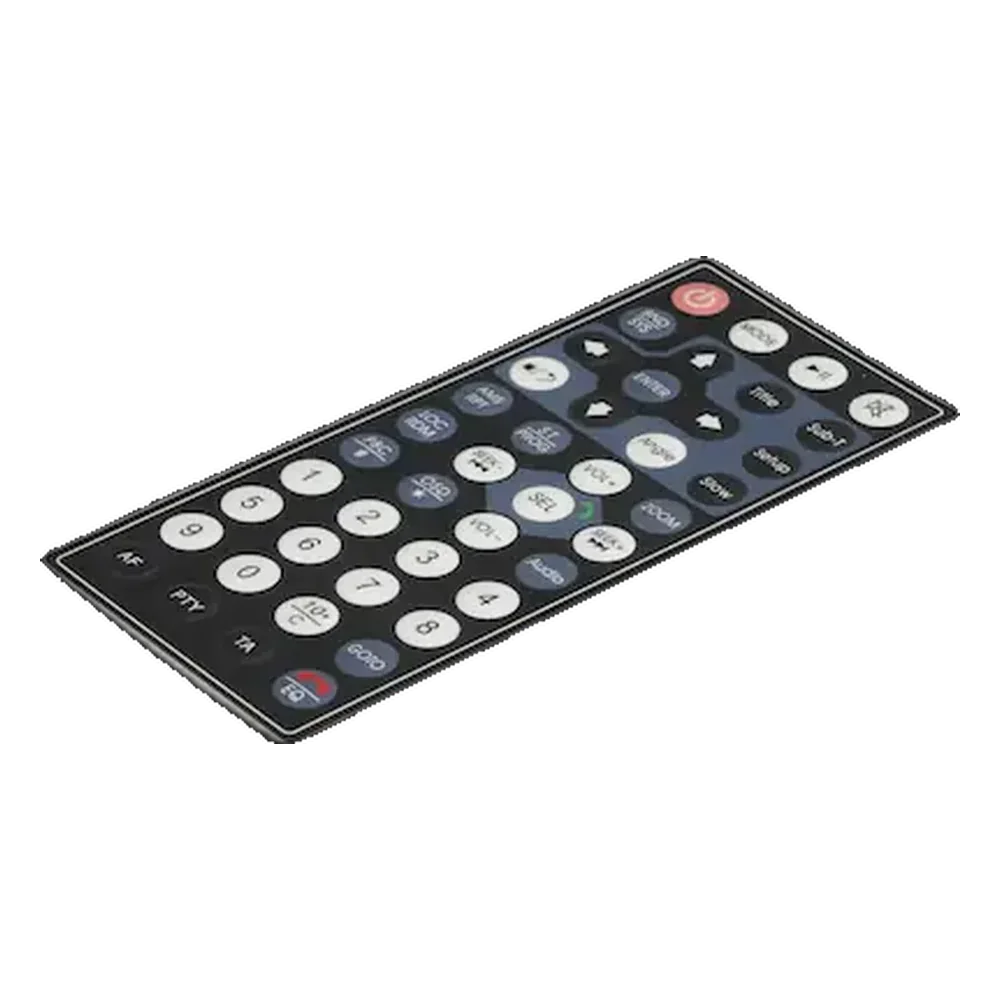
Materialien für Grafikfolien
Materialien für Grafikfolien beeinflussen Aussehen, Haltbarkeit, Flexibilität, Chemikalienbeständigkeit, Fensterklarheit, Prägbarkeit, Klebeverbindung und Konformitätsdokumentation.
PET und Polycarbonat sind gängige Optionen. Welches Material am besten passt, hängt jedoch von Einsatzumgebung, Reinigungsroutine, Abrieb, Sonneneinstrahlung, Displayfenstern und der Bedienung des Panels ab.
Kurzantwort: Wählen Sie Materialien nach dem Einsatzfall, nicht aus Gewohnheit.
Die Materialauswahl für Grafikfolien richtet sich nach Haltbarkeit, chemischer Belastung, Reinigung, UV-Strahlung, Fensterklarheit, Prägung, Oberflächenbeschaffenheit, Klebeverbindung und Kosten. Polyester, Polycarbonat, hartbeschichtete und strukturierte Folien, transparente Fensterfolien und Klebstoffsysteme sollten gemeinsam betrachtet werden.
Gängige Materialoptionen für Grafikfolien
Materialien sollten hinsichtlich Haltbarkeit, Fensterklarheit, Klebstoffverträglichkeit, Reinigungsbelastung und gleichbleibender Wiederholfertigung geprüft werden. Die Tabelle zeigt, wie die einzelnen Materialbereiche ein OEM-Bedienpanel-Projekt beeinflussen.
| Material oder Schicht | Typische Stärke | Was vor der Auswahl zu prüfen ist |
|---|---|---|
| Polyester (PET) | Biegelebensdauer, Chemikalienbeständigkeit, Haltbarkeit und bewährter Einsatz in vielen Folientastatur-Deckfolien | Reinigungsbelastung, Tastenbiegung, Prägeanforderungen, Oberfläche und Konformitätsdokumentation |
| Polycarbonat (PC) | Optische Gestaltungsmöglichkeiten, Formbarkeit und klare Displaybereiche bei bestimmten Folienkonstruktionen | Chemische Belastung, Abriebrisiko, Außeneinsatz und Bedarf an Hartbeschichtung |
| Hartbeschichtete Folie | Verbesserter Abrieb- und Oberflächenschutz bei häufig berührten Panels | Berührungshäufigkeit, Reinigungsverfahren, Glanzgrad und Einfluss der Beschichtung auf Druck oder Prägung |
| Strukturierte Folie | Weniger sichtbare Fingerabdrücke, geringere Blendung und praktische Handhabung an Industriepanels | Lesbare Beschriftung, Reinigungsroutine, Haptik und optische Kundenanforderungen |
| Transparente Fensterfolie | Displayablesbarkeit, LED-Fenster, verborgene Symbole sowie klare oder getönte Sichtbereiche | Fensterklarheit, Passer, Kratzer, Staubkontrolle und Anforderungen an die Hinterleuchtung |
| Klebstoffsystem | Befestigungsfestigkeit und Beständigkeit gegen Umwelteinflüsse | Gehäusematerial, Oberflächenenergie, Struktur, Temperatur, Anpressdruck und Montageprozess |
PET und Polycarbonat sind nicht beliebig austauschbar
Polyester wird häufig gewählt, wenn Biegelebensdauer, Chemikalienbeständigkeit und Haltbarkeit wichtig sind. Polycarbonat kann bei bestimmten optischen Anforderungen und Formgebungseigenschaften geeignet sein. Keines der beiden Materialien ist automatisch für jede Grafikfolie richtig. Reinigungsmittel, Abrieb, UV-Strahlung, Prägung, Displayfenster und Klebefläche sollten den endgültigen Aufbau bestimmen.
- Prüfen Sie bei Tastenbereichen Biegelebensdauer, Dom- oder taktile Rückmeldung, Prägung und Distanzschichtaufbau.
- Prüfen Sie bei Displayfenstern Klarheit, Tönung, Oberflächenkratzer, Staub und im ausgeschalteten Zustand verborgene Grafiken.
- Legen Sie bei Industrie- oder Medizingeräten Reinigungsmittel und Dokumentationsanforderungen vor der Bemusterung fest.
Für Ihre Angebotsanfrage: Nennen Sie Einsatzumgebung, Reinigungsmittel, Gehäusematerial, erwartete Berührungshäufigkeit, Fenster- und Prägeanforderungen, Konformitätsunterlagen und Jahresmenge.
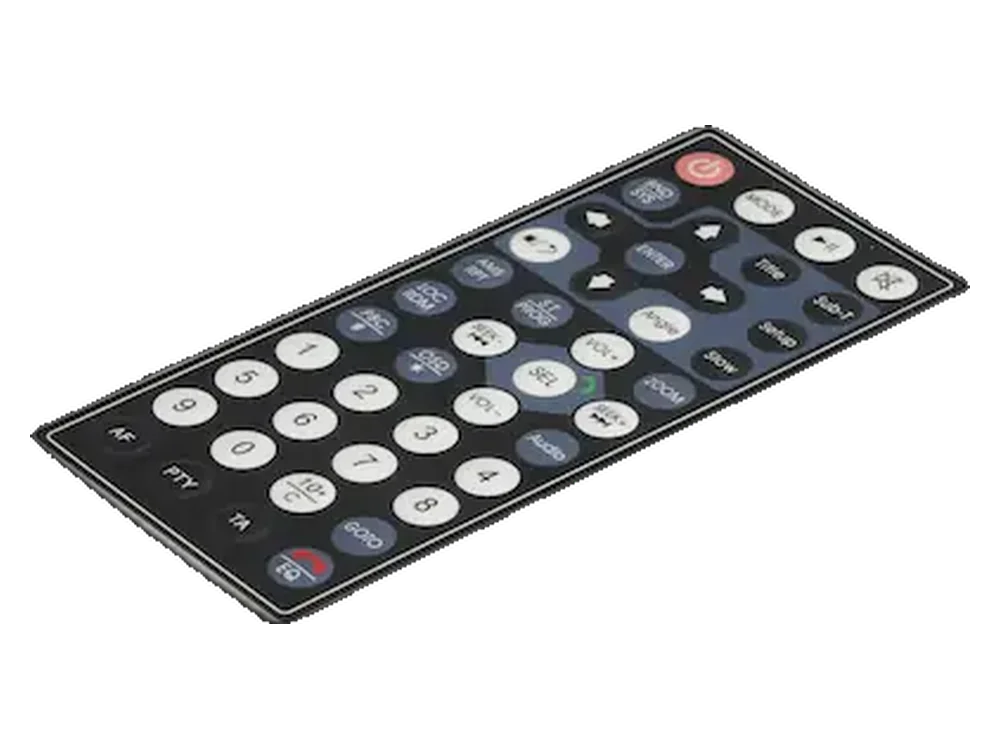
Materialentscheidungen mit Einfluss auf die Leistung im Einsatz
Ein im Muster überzeugendes Material kann im Einsatz versagen, wenn Reinigung, Verklebung, Sonneneinstrahlung oder wiederholte Betätigung nicht frühzeitig geprüft werden.
Reinigung und Chemikalien
Klären Sie Alkohol, Desinfektionsmittel, Öle, Lösungsmittel, Reinigungsmittel und kundenspezifische Reinigungsroutinen vor der Auswahl von Folie und Beschichtung.
UV-Strahlung und Außeneinsatz
Bei Außenpanels sind Sonneneinstrahlung, Temperatur, Feuchtigkeit, Wasserkontakt, Druckschutz und Klebstoffverhalten zu prüfen.
Fenster und verborgene Anzeigebereiche
Transparente Fenster, LED-Symbole und im ausgeschalteten Zustand verborgene Grafiken erfordern die Kontrolle von Deckkraft, Passer, Tönung, Kratzrisiko und sichtbaren Partikeln.
Fragen vor der Auswahl von Grafikfolien-Materialien
Wenn die Grafikfolie Bestandteil einer Folientastatur ist, sollten auch Biegelebensdauer der Tasten, taktile Rückmeldung, Schaltungslayout und Klebeschichtaufbau berücksichtigt werden.
| Frage | Warum sie wichtig ist | Möglicher Einfluss auf die Auswahl |
|---|---|---|
| Wie wird die Oberfläche gereinigt? | Reinigungschemikalien können Folie, Beschichtung oder Druckschutz beschädigen | Folientyp, Hartbeschichtung, Druckaufbau und Konformitätsprüfung |
| Drücken Benutzer Tasten oder lesen sie nur Beschriftungen? | Wiederholte Tastenbetätigung stellt Anforderungen an Biegung und taktile Rückmeldung | PET-Auswahl, Prägegestaltung, Distanzschichtaufbau und Domprüfung |
| Ist das Panel Sonnenlicht oder Außenbedingungen ausgesetzt? | UV-Strahlung, Feuchtigkeit, Wärme und Kälte beeinflussen Aussehen und Verklebung | Auswahl von Folie, Druckfarbe, Beschichtung, Klebstoff und Abdichtung |
| Enthält die Grafikfolie Displayfenster? | Fensterklarheit und Kratzer sind für Benutzer deutlich sichtbar | Transparente Folie, Tönung, Druck verborgener Anzeigen und Reinraumhandhabung |
| Aus welchem Material besteht das Gehäuse? | Die Klebeleistung hängt von der Montageoberfläche ab | Klebstoffsystem, Abdeckmaterial, Anpressdruck und Oberflächenvorbereitung |
| Sind RoHS-, REACH- oder UL-eingestufte Materialoptionen erforderlich? | Die Dokumentation sollte vor der Bemusterung geplant werden | Materialbeschaffung, Erklärungen, Lieferzeit und Angebotsumfang |
Planen Sie Ihr Grafikfolien-Projekt weiter
Informieren Sie sich über Grafikfolien, Materialoptionen, Druckverfahren und Fertigungsanforderungen, um Druckdaten und Spezifikationen für Ihre Angebotsanfrage vorzubereiten.
Fragen von OEM-Einkäufern
Ist Polyester für Grafikfolien besser als Polycarbonat?
Nicht immer. Polyester bietet häufig Vorteile bei Biegelebensdauer und Chemikalienbeständigkeit. Die beste Wahl hängt jedoch von Anwendung, Reinigungsbelastung, Fensteranforderungen, Prägung und Kostenziel ab.
Können Grafikfolien UL-eingestufte Materialien verwenden?
Ja. UL-eingestufte Materialoptionen können geprüft werden, wenn die Produktspezifikation sie verlangt und sie für den jeweiligen Projektaufbau qualifiziert werden.
Gehört der Klebstoff zur Materialauswahl für Grafikfolien?
Ja. Der Klebstoff ist entscheidend für die Verbindung zwischen Folie und Produktgehäuse. Gehäusematerial, Oberflächenstruktur, Temperatur und Anpressdruck bei der Montage sollten geprüft werden.
Welches Material eignet sich besser für Displayfenster?
Das hängt von Klarheit, Tönung, Kratzbeständigkeit, Hinterleuchtung, verborgenen Grafiken und Reinigungsbelastung ab. Fensterbereiche sollten getrennt von der übrigen Folie geprüft werden.
Sollte die Materialauswahl vor der Druckdatenfreigabe erfolgen?
Ja. Material, Oberfläche, Fenster, Prägung und Klebeschichtaufbau können die Druckebenen und Musterfreigabe beeinflussen. Sie sollten geprüft werden, bevor die Produktionsdruckdaten verbindlich festgelegt werden.
Benötigen Sie Unterstützung bei der Materialauswahl für Grafikfolien?
Senden Sie Ihre Einsatzumgebung, Reinigungsroutine, Fensteranforderungen, das Gehäusematerial und die Konformitätsanforderungen, damit JASPER geeignete Materialoptionen prüfen kann.
Materialprüfung anfragen