
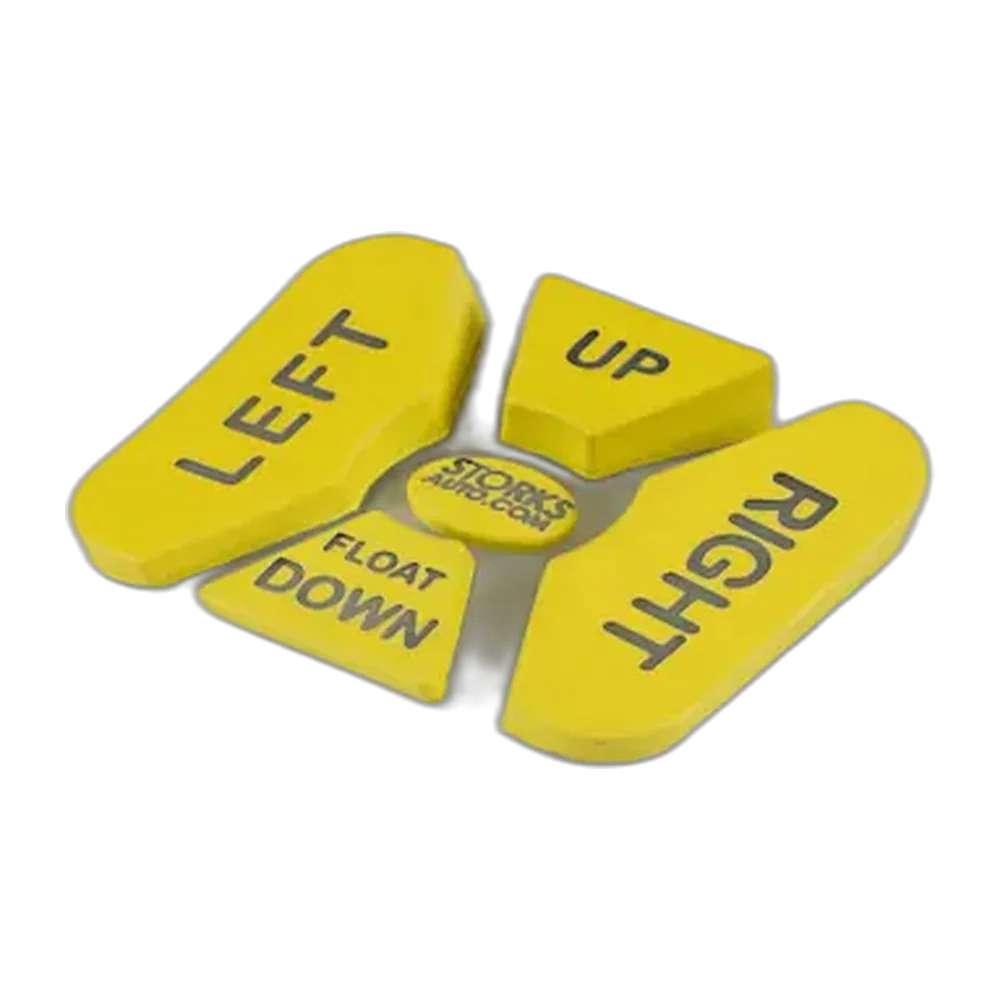
Teclados de caucho de silicona personalizados para interfaces OEM
Teclados de silicona is the parent product family for JASPER molded rubber keypad projects. Use this hub when your OEM control interface needs raised keys, long tactile travel, carbon-pill contacts, backlighting, laser-etched legends, printed or coated key tops, or a tested keypad module with PCB, FPC, LEDs, connector, spacer, adhesive, and final inspection.
Choose the silicone keypad route by contact method, lighting requirement, marking method, and assembly scope. If your project mainly needs reliable electrical contact, start with teclados de caucho conductivo. If it needs low-light readability, start with teclados de silicona retroiluminados. If it needs durable illuminated legends, start with laser-etched silicone keypads. If purchasing wants one tested module instead of a loose rubber mat, start with ensamblajes de teclados de silicona.
FOLLETO DEL PRODUCTO
Folleto de capacidades de teclados de silicona
Consulte ejemplos de teclados de silicona moldeados, equipos de producción, procesos de fabricación, etapas de inspección y capacidades de la fábrica. Este folleto describe nuestras capacidades; envíe el plano del teclado, el diseño de los contactos, los requisitos de iluminación y el volumen anual para recibir una oferta técnica.
Tipos de teclados de caucho de silicona
Teclados de caucho conductivo
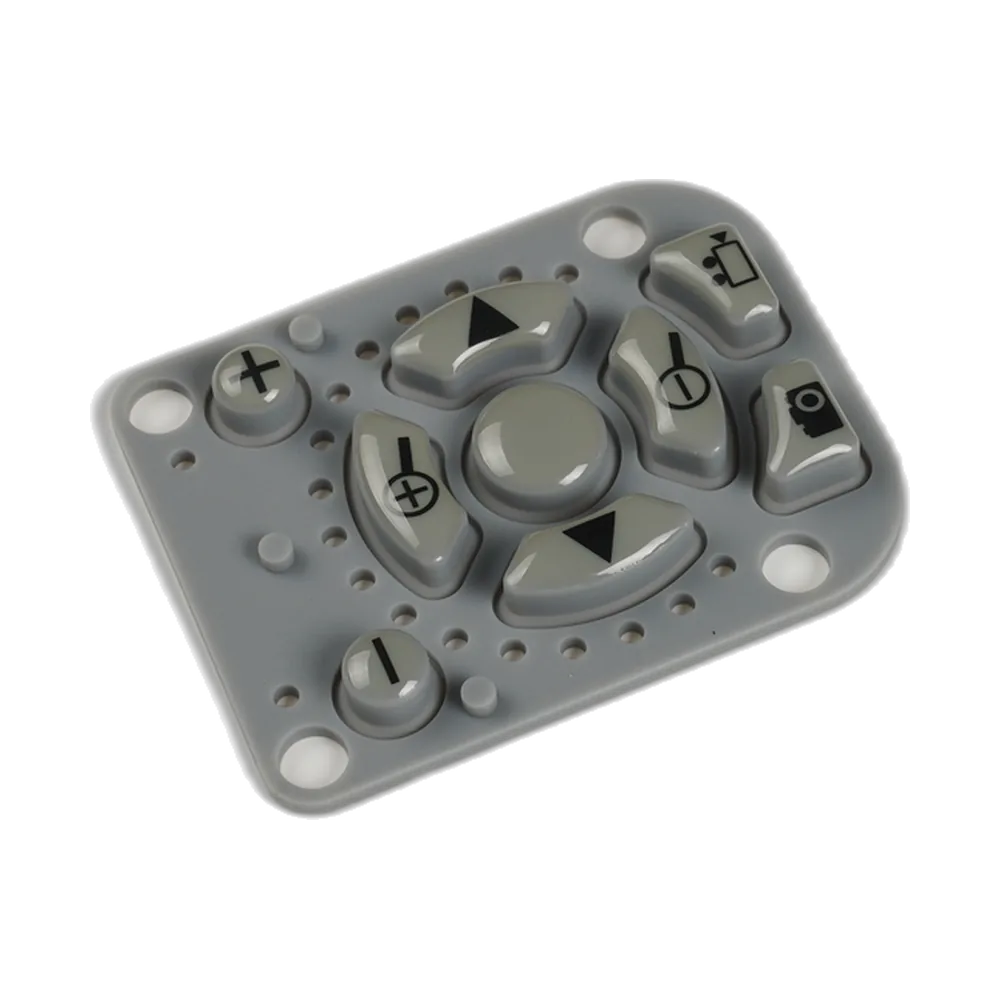
Molded silicone keypads with carbon pills, conductive ink, metal domes, or actuator features for reliable circuit closure on PCB, FPC, PET, or membrane contacts.
Ver masBacklit Teclados de silicona
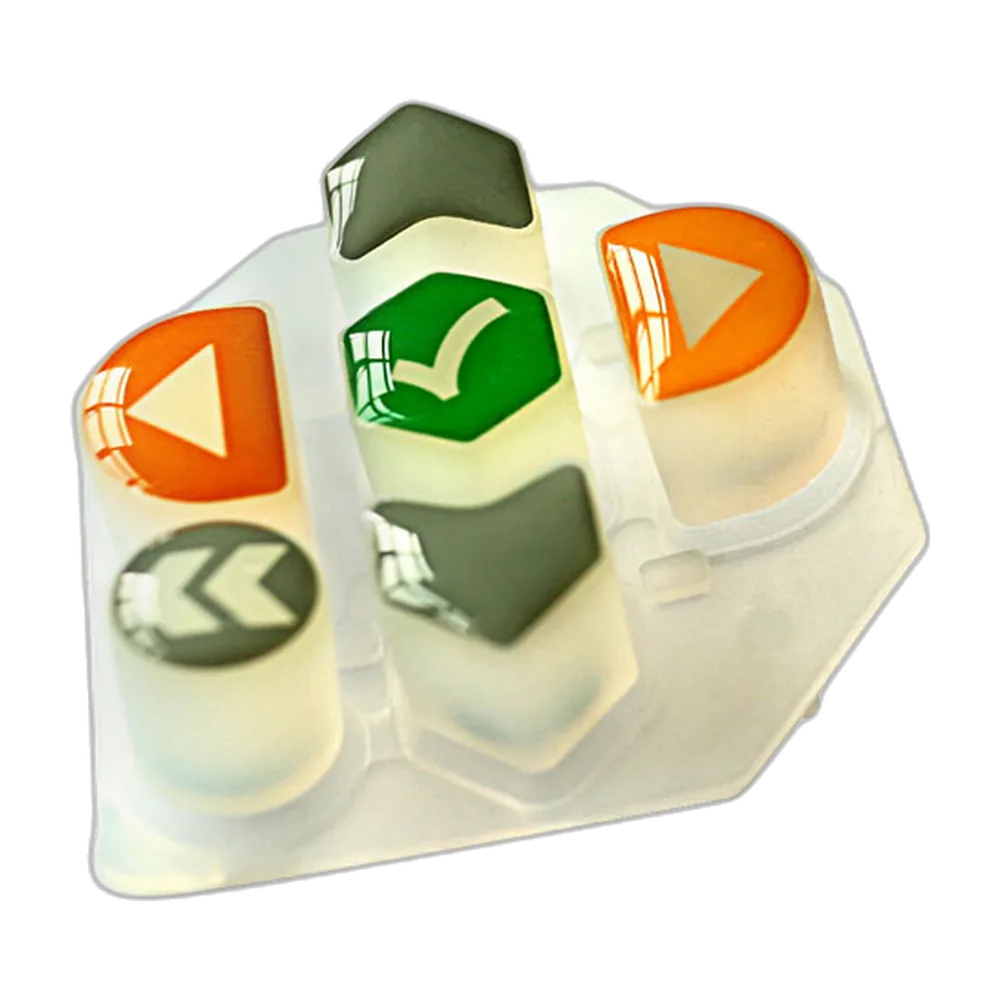
Translucent silicone, opaque coating, LED placement, laser-etched legends, molded light windows, and light-blocking design for readable low-light controls.
Ver masLaser-Etched Silicone Keypads
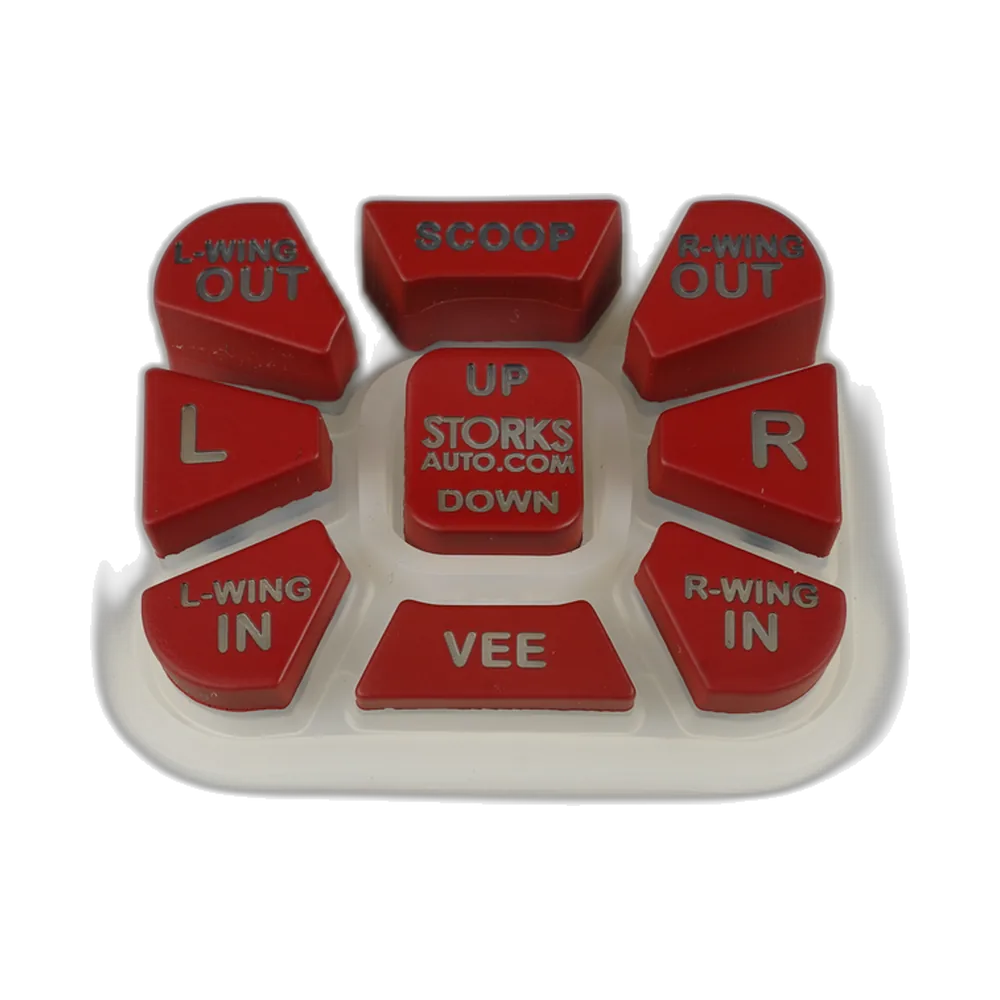
Coated silicone keys with laser-opened legends for durable day/night symbols, backlit icons, and high-wear OEM control surfaces.
Ver masEnsamblajes de teclados de silicona
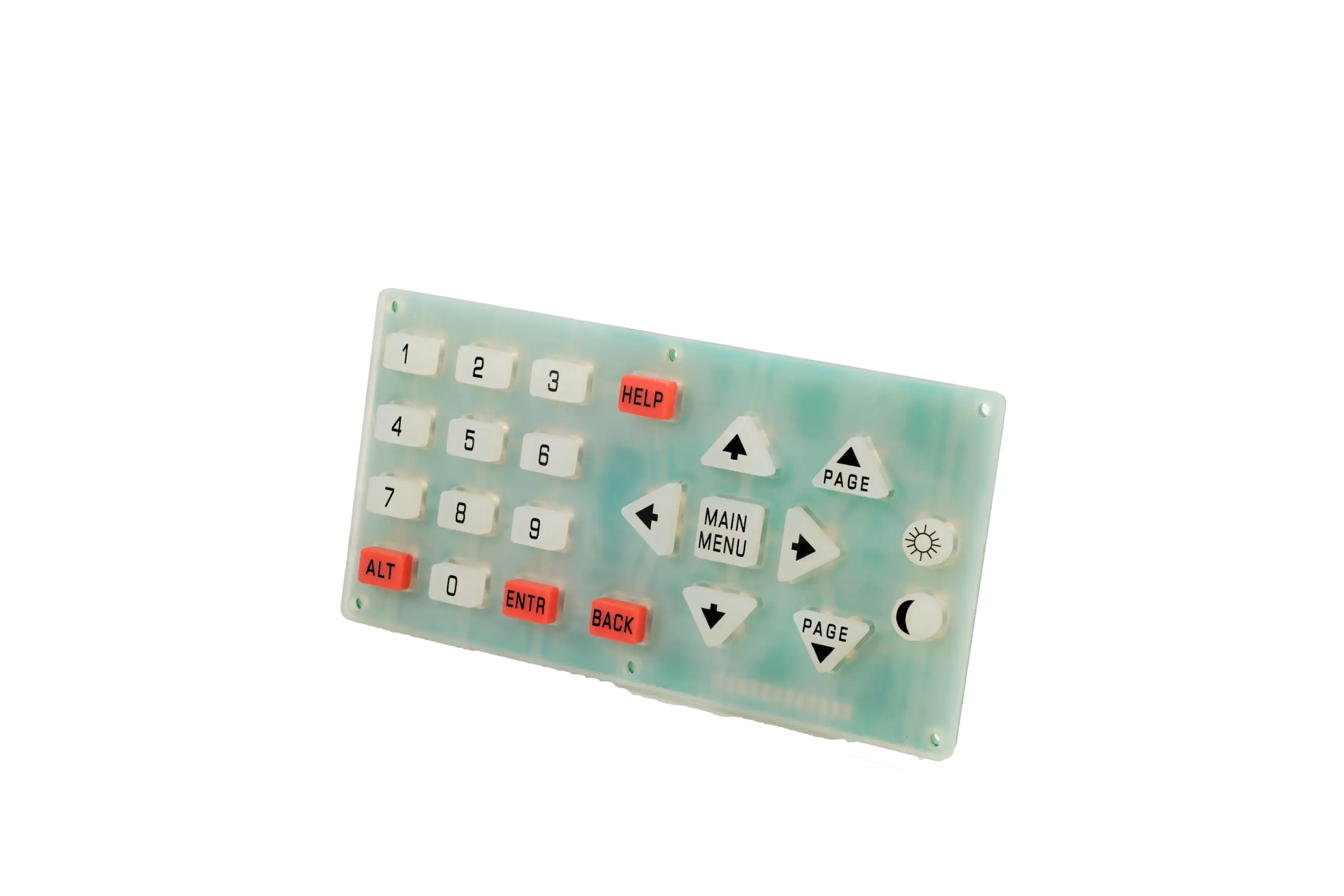
Rubber keypad plus PCB/FPC/PET circuit, LEDs, connector, spacer, adhesive, housing interface, and final functional test as one module.
Ver masPick the closest route below, or send the application and JASPER will confirm the keypad, circuit, lighting, coating, and assembly scope.
| Product route | Best fit | Detailed page |
|---|---|---|
| Teclados de caucho conductivo | Carbon pill, conductive ink, metal dome actuator, PCB/FPC/PET contact design, resistance control, and clean switching. | Teclados de caucho conductivo |
| Backlit Teclados de silicona | Translucent silicone, opaque coating, LED position, laser-etched or molded light windows, and light-leak control. | Backlit Teclados de silicona |
| Laser-Etched Silicone Keypads | Durable legends, coated silicone, day/night readability, backlit icons, and laser vs pad printing decisions. | Laser-Etched Silicone Keypads |
| Ensamblajes de teclados de silicona | Rubber keypad plus PCB/FPC/PET circuit, LEDs, connector, spacer, adhesive, housing interface, and final test. | Ensamblajes de teclados de silicona |
Molded Keypads for OEM Controls That Need More Than a Flat Overlay
Some control panels need a wipe-clean graphic overlay and a short metal-dome snap. Others need a raised key that an operator can locate without looking. That second case is where silicone rubber keypads fit.
Each key is molded from silicone rubber, commonly in a Shore A 30–70 hardness range. The geometry controls the feel: web thickness, key height, dome shape, travel, return force, and the carbon pill or actuator position all decide whether the keypad feels soft, firm, quiet, or sharply tactile.
A typical silicone keypad gives about 0.5 to 1.5 mm of travel. A molded keypad with carbon-pill contacts is often 3–6 mm thick from key tip to circuit, so it is not the right answer when the complete stack must stay under 1.5 mm. It is the right answer when the product needs more shape, more travel, better finger location, or a molded sealing edge.
Typical JASPER silicone keypad builds include:
- compression-molded or LSR-molded silicone key mats
- carbon pill, conductive ink, metal dome, metal pill, or non-conductive actuator options
- pad-printed, laser-etched, PU-coated, epoxy-coated, molded-color, or backlit legends
- PCB, FPC, PET circuit, membrane switch, spacer, adhesive, connector, or housing integration
- IP65 / IP67 sealing design when the enclosure supports it and the final assembly is validated
- RoHS-compliant material and production documentation for OEM sourcing teams
Teclados de silicona vs Teclados de membrana
Both product families can close a circuit, carry printed legends, and support sealed front panels. The difference is mechanical.
| Decision factor | Silicone rubber keypad | Membrane keypad |
|---|---|---|
| Key height | Raised, sculpted, or 3D-shaped molded keys | Flat, embossed, or lightly domed areas |
| Tactile travel | Commonly 0.5–1.5 mm | Commonly 0.2–0.6 mm with metal domes |
| Feel | Soft compression, tuned snap, or quiet return | Crisp metal-dome snap or non-tactile press |
| Total stack | Usually thicker because keys are molded, often 3–6 mm with carrier | Usually thin laminate construction, often 0.5–1.5 mm |
| Graphics | Pad print, laser etch, molded color, PU/epoxy coating | Printed PET/PC overlay with windows and textures |
| Sealing | Molded perimeter and enclosure compression | Overlay adhesive, gasket, and laminate edge design |
| Best fit | Raised keys, gloves, backlighting, handheld devices, automotive buttons | Thin panels, frequent graphic changes, flat wipe-down surfaces |
If the surface must remain flat and thin, review the membrane keypads route instead. If the operator needs raised key location, molded travel, or a rubber keypad module, stay in this silicone family.
Engineering Decisions Before Tooling
A silicone keypad tool locks in more than the visible key shape. Before tooling, we confirm the mechanical, electrical, graphic, and environmental details with your team.
| Engineering decision | Typical options | Why it matters |
|---|---|---|
| Silicone hardness | Shore A 30–70, selected by feel and key geometry | Hardness affects compression feel, return force, sealing lip, and durability. |
| Key geometry | Key count, height, top shape, web thickness, travel, return force | Small web changes can alter the entire tactile response. |
| Conductive method | Carbon pill, conductive ink, metal pill, metal dome, non-conductive actuator | The contact method drives PCB pad design, life testing, and cost. |
| Circuit carrier | Rigid PCB, FPC, PET circuit, membrane switch layer, or customer PCB | The carrier controls thickness, connector route, support, and final test method. |
| Legends and finish | Pad print, screen print, laser etch, molded color, PU coating, epoxy coating | The finish must survive finger wear, cleaning, oil, UV, and backlighting needs. |
| Lighting | Translucent silicone, opaque coating, LED PCB, light-block ribs, icon windows | Backlighting fails visually if light leak and brightness are not controlled. |
| Assembly scope | Rubber keypad only, keypad + PCB, keypad + FPC, keypad + housing, tested module | Scope control prevents supplier interface gaps. |
Material families from suppliers such as Dow, Momentive, Wacker, and Shin-Etsu may be discussed during silicone selection. Those names are material-system references, not a shortcut around customer approval. The final compound, coating, and test plan should match the drawing, use environment, and compliance requirement.
RFQ Checklist
Send these details and we can return a more useful quotation.
| Input needed | Examples | Why it matters |
|---|---|---|
| Mechanical drawing | 2D drawing, STEP file, enclosure pocket, panel cutout, sample photo | Defines key size, height, tolerance, mounting, and fit. |
| Key layout | Key count, spacing, grouped zones, legends, key top shape | Controls mold complexity and operator workflow. |
| Target feel | Actuation force, travel, soft or crisp return, glove use | Drives web geometry, hardness, dome design, and sample approval. |
| Circuit or contact layout | PCB/FPC/PET contact layout, membrane layer, pad geometry | Determines pill size, pad overlap, alignment, and test method. |
| Graphic and lighting method | Pad print, laser etch, backlight, molded color, PU/epoxy coating | Controls appearance, wear resistance, light path, and tooling details. |
| Assembly scope | Rubber only, PCB/FPC, connector, spacer, adhesive, housing, final test | Defines supplier responsibility before tooling. |
| Environment | Water, oil, UV, cleaning chemicals, temperature, abrasion, glove use | Drives silicone grade, coating, seal, and material selection. |
| Compliance needs | RoHS, UL 94, IEC 60529 IP target, vibration or customer test | Keeps material and inspection choices aligned with the application. |
Quality and Inspection Points
A finished silicone keypad must look right, feel right, light correctly when required, and close the circuit reliably.
| Inspection point | What we check | Why it matters |
|---|---|---|
| Molded dimensions | Key height, base thickness, web area, perimeter lip, mounting features | Protects fit to enclosure and PCB. |
| Hardness and feel | Shore hardness, key force, travel, return, key wobble | Keeps operator feel consistent across lots. |
| Conductive contact | Carbon pill position, contact resistance, pad alignment, contamination | Prevents missed keys and unstable switching. |
| Printing, coating, and laser etching | Legend position, color, adhesion, laser edge, coating coverage, surface defects | Keeps the user interface readable and durable. |
| Backlighting | Icon brightness, hot spots, light leak, day/night contrast | Protects visual quality in illuminated designs. |
| Assembly fit | PCB/FPC, connector, spacer, adhesive, housing, screw or frame support | Prevents installation problems at the OEM line. |
| Funcionales test | Continuity, resistance, LED function, connector orientation, force | Keeps failures from moving into the customer’s final product build. |
Preguntas frecuentes
What is a silicone rubber keypad?
A silicone rubber keypad is a molded elastomer key mat used to press electrical contacts on a PCB, flexible circuit, PET circuit, membrane switch, or switch assembly. The molded key geometry gives the keypad its travel and feel, while carbon pills, conductive ink, metal domes, or actuators create the electrical switching function.
Which silicone keypad type should I choose first?
Start with teclados de caucho conductivo if the main issue is electrical contact. Start with teclados de silicona retroiluminados if low-light readability matters. Start with laser-etched silicone keypads if durable legends or backlit icons are critical. Start with ensamblajes de teclados de silicona if you want the rubber, circuit, connector, lighting, and test process handled as one module.
When should I choose silicone instead of a membrane keypad?
Choose silicone when the product needs raised or sculpted keys, longer travel, soft feel, gloved operation, molded sealing, or illuminated molded icons. Choose a membrane keypad when the assembly must stay very thin, the surface must be flat for wipe-down, or the front graphics will change often between revisions.
Can JASPER supply a complete silicone keypad assembly?
Yes. JASPER can support silicone keypad plus PCB, FPC, PET circuit, membrane switch layer, LEDs, connector, adhesive, spacer, and final electrical test. The exact scope depends on whether the buyer wants a component or a tested assembly.
What information is needed to quote a custom silicone keypad?
Send the layout, enclosure drawing, key count, key height, target force and travel, circuit type, conductive method, graphic or backlight needs, environment, compliance requirements, annual volume, and launch schedule. A sketch and sample photo are enough for an early review.
Solicitar cotizacion de teclado de silicona
Send your layout, enclosure drawing, target feel, graphics, circuit plan, lighting requirement, environment, test expectations, and annual volume. We will help define whether JASPER should supply the rubber keypad alone, a conductive rubber keypad, a backlit or laser-etched keypad, or the complete silicone keypad assembly.
Need a custom silicone keypad for your OEM control interface?
Send your layout, enclosure drawing, target feel, graphics, circuit plan, lighting requirement, environment, test expectations, and annual volume. We will confirm the right child route and quote the keypad stack.
Solicitar cotizacion de teclado de silicona