
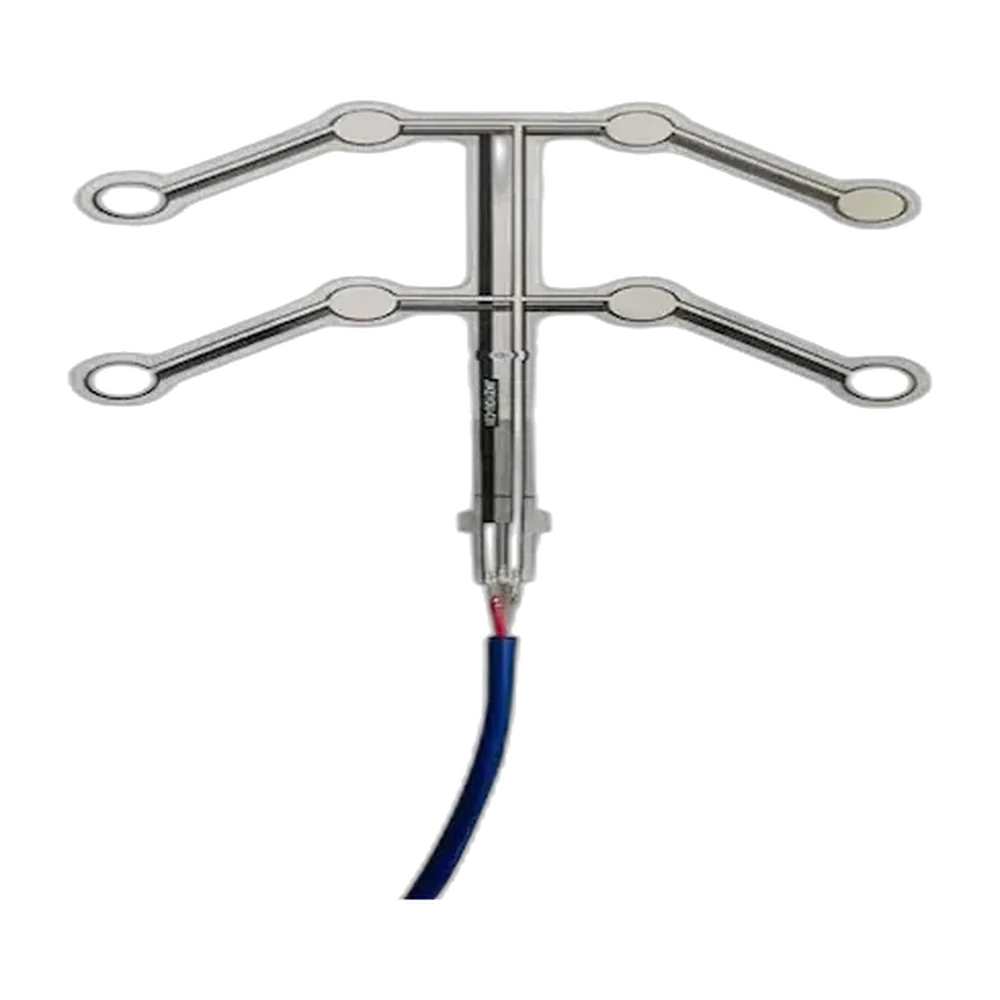
Custom Car Seat Occupancy Sensor & Seat Pressure Mat Manufacturer
We design and manufacture custom car seat occupancy sensors and seat pressure mats for OEM seat systems, automotive interior programs, mobility equipment, and safety-related seating. The focus is thin, flexible pressure-sensing structures that integrate under foam, under trim, or inside the cushion.
Start with the closest seat sensor structure
We build each one around your seat, the installation position, and the control electronics. Pick the closest type, or describe the function and we will steer it.
More standard seat sensor products are available in the PDF:
seat-sensor-catalogueSeat Occupancy Sensor Mat
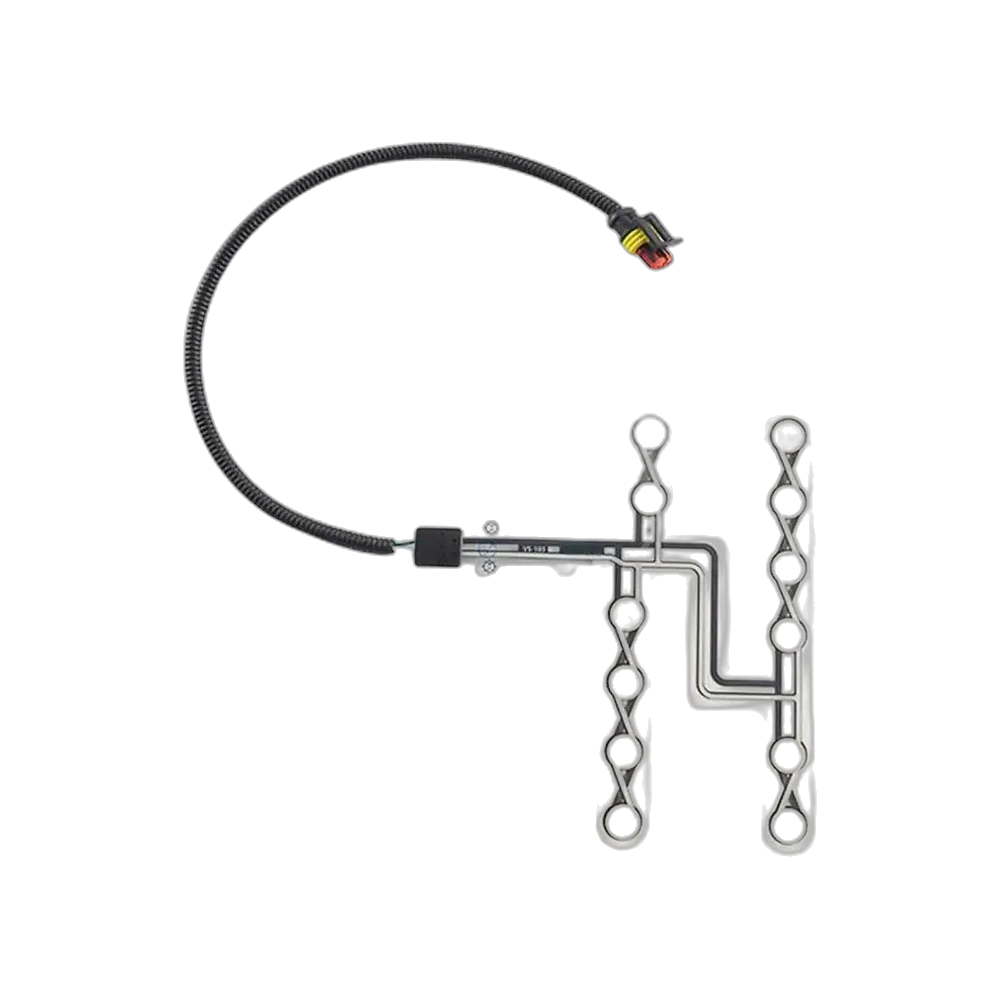
Thin printed sensor mat layer for seat presence detection, shaped to the cushion or trim stack.
Learn MoreCar Seat Pressure Sensor
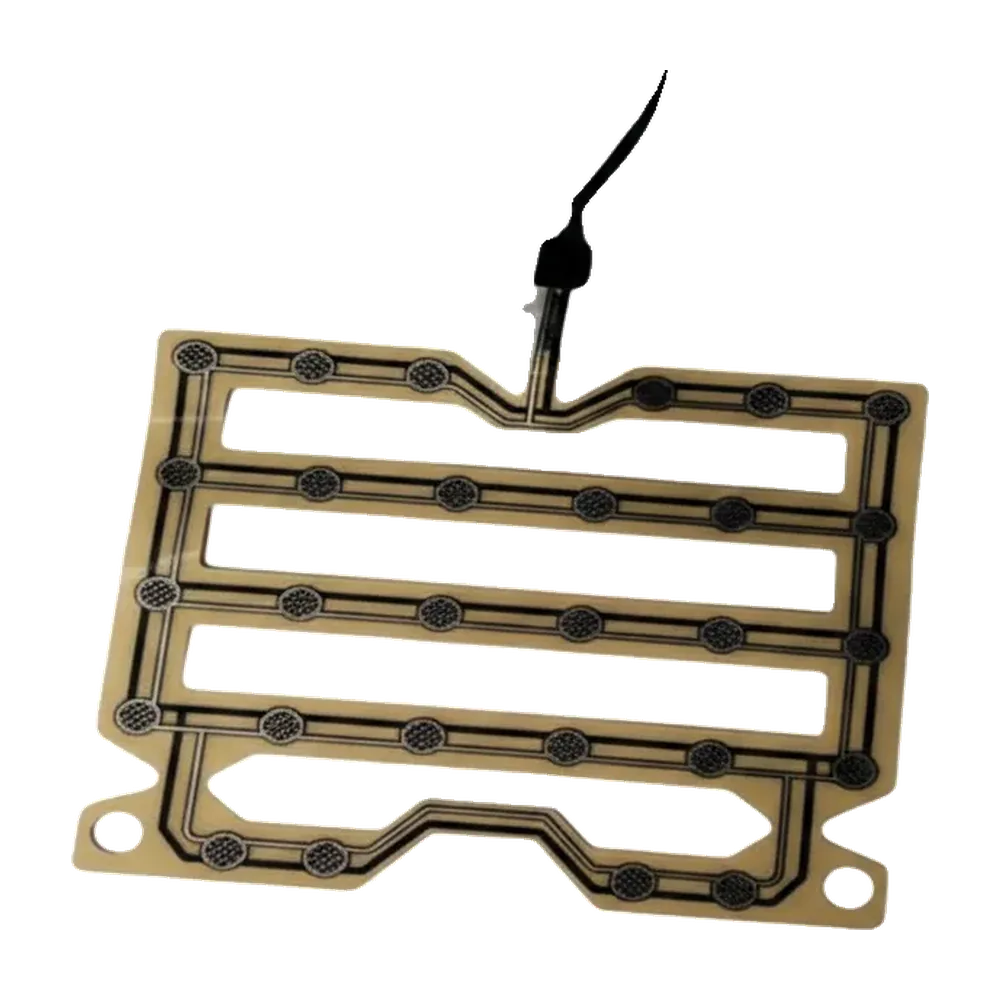
Pressure-sensing assembly that reports load applied to the seating area, matched to your electronics.
Learn MoreSeat Belt Reminder Sensor
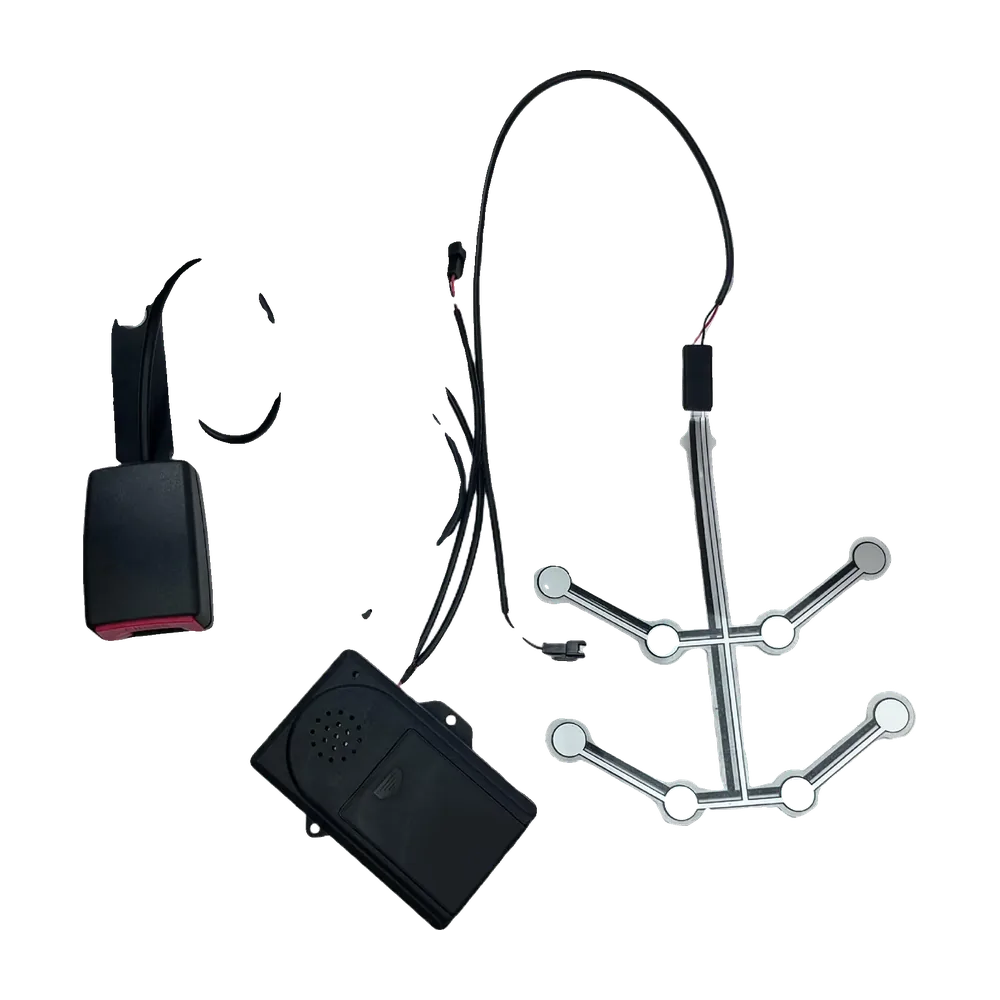
Occupancy input paired with belt-buckle status for SBR logic in OEM vehicle systems.
Learn MoreFlexible Membrane Seat Pressure Sensor
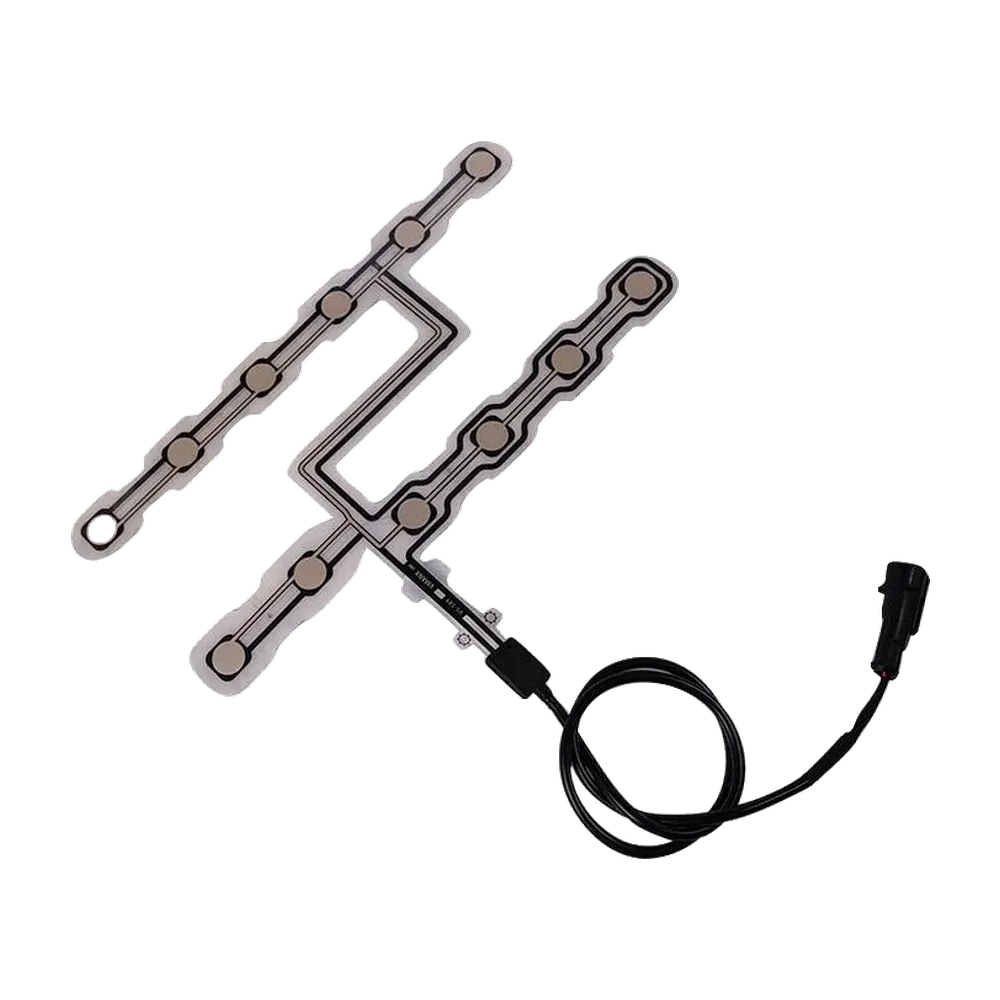
Membrane-style flexible pressure sensor built from printed layers, tails, and spacers.
Learn MoreFSR Seat Pressure Sensor
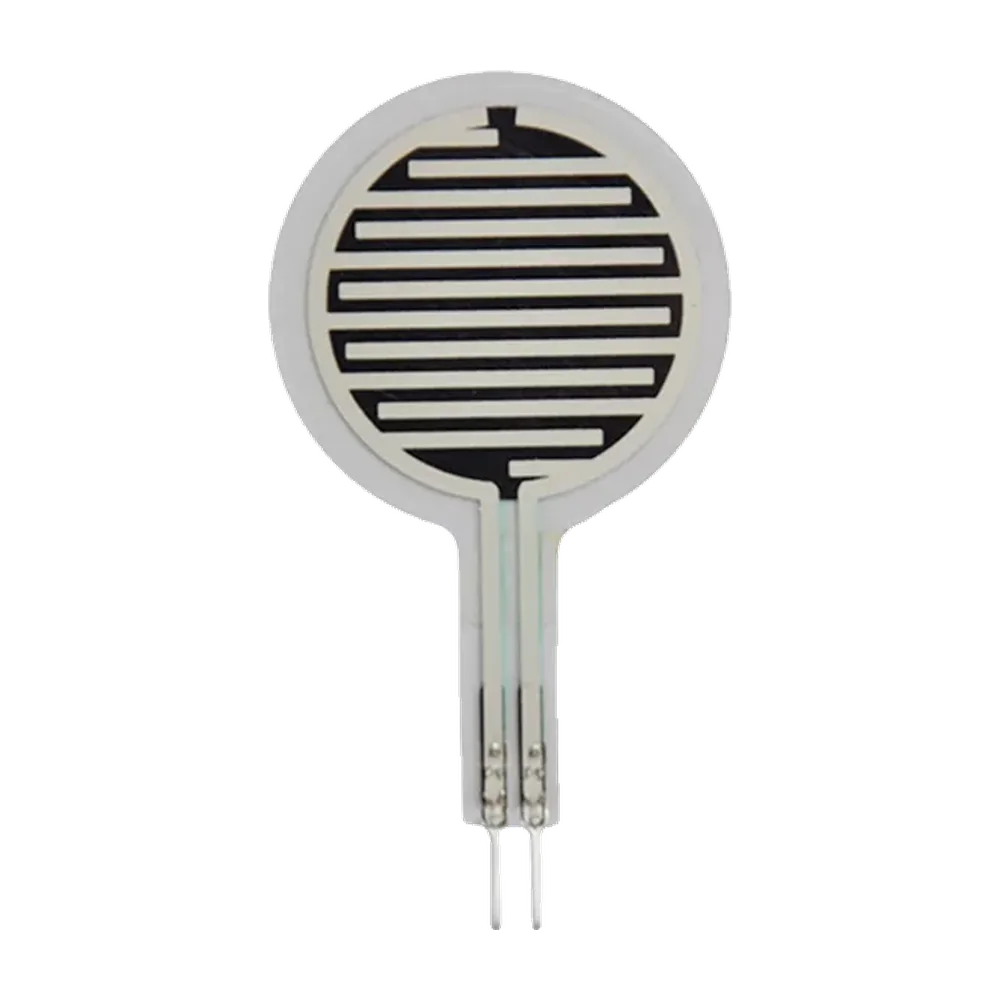
Force-sensitive seat sensor route, scoped conservatively to your confirmed sensing principle.
Learn MorePassenger Seat Occupancy Sensor
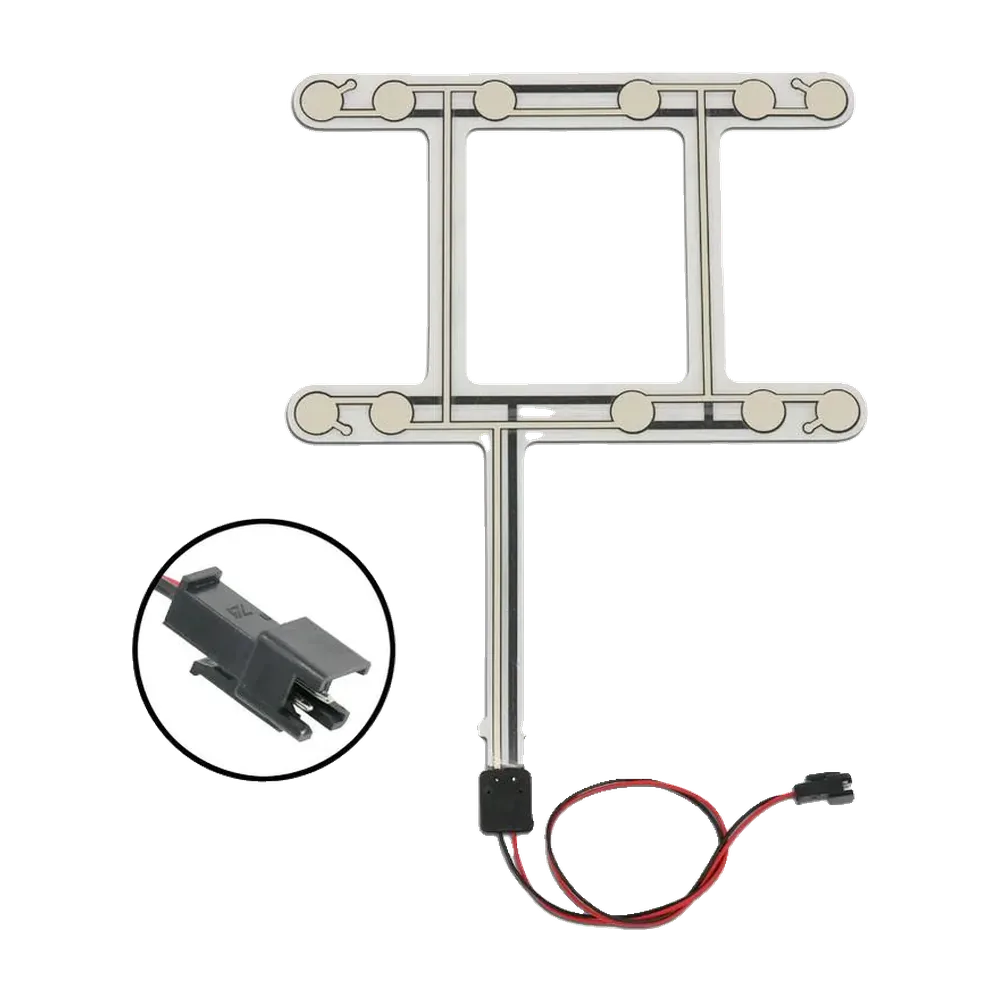
Front or rear passenger presence detection, with sensing zone and threshold matched to the seat.
Learn MoreBus Seat Occupancy Sensor
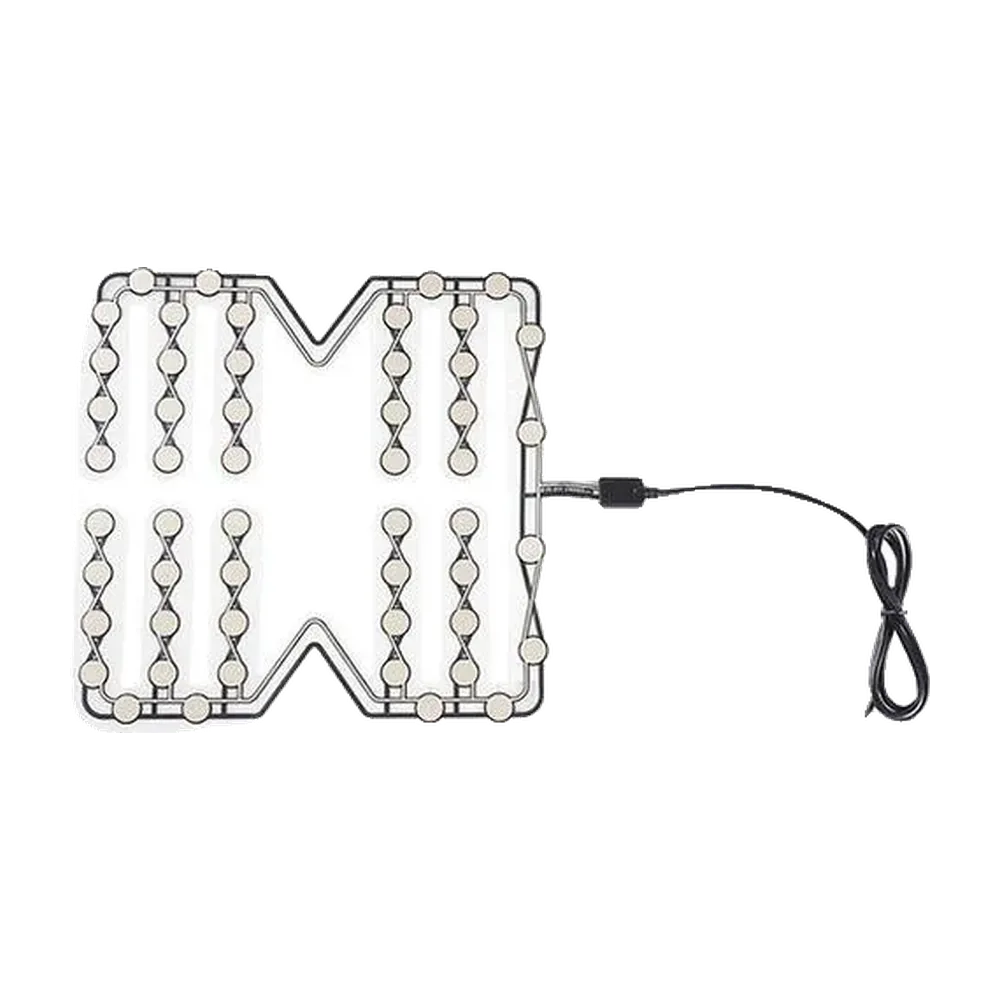
Seat-use and passenger detection for bus, taxi, and fleet seating, built for long service life.
Learn MoreA seat occupancy sensor is a custom part, not a stocked component.
Performance depends on the seat foam, cover tension, installation position, pressure distribution, and control electronics. The real question is not whether a sensor can detect pressure, but whether its geometry, circuit, tail, connector, and documentation can match the seat architecture and validation plan. So we define each sensor against the actual seat program rather than publishing universal specs.
What is a car seat occupancy sensor?
A car seat occupancy sensor is a seat-integrated sensing component that detects whether a person or load is present on a vehicle seat. It usually sits below the seat cover, inside the cushion, or in a pressure mat layer that responds when force is applied. The signal feeds a seat belt reminder system, passenger or driver presence detection, comfort logic, or other seat control functions — the exact role is set by the vehicle system, the control unit, and the OEM validation plan.
Buyers describe the part under several related names. We do not treat them as identical during engineering review — an occupancy sensor for SBR can need a different threshold, zone layout, and connector position than a comfort-application pressure mat.
| Common Term | Typical Meaning | Buyer Context |
|---|---|---|
| Car seat occupancy sensor | Detects whether a seat is occupied | Passenger, rear, or driver seat |
| Seat occupancy sensor | General term for seat presence detection | Automotive, transport, mobility seating |
| Car seat pressure sensor | Detects pressure or load on the seat area | Seat cushion integration |
| Seat pressure mat | Flexible mat with one or more sensing zones | Custom seat trim or cushion |
| Seat sensor mat | Thin printed sensor layer for seats | OEM and aftermarket seat systems |
| Car seat weight sensor | Load-sensitive seat detection | Requires project-specific definition |
| Seat belt reminder sensor | Occupancy sensor with buckle status | SBR logic in vehicle systems |
| Airbag occupancy sensor | Occupancy input for restraint systems | Must follow OEM safety architecture |
How a seat occupancy sensor works in SBR systems
A seat belt reminder sensor works with a buckle switch. The occupancy sensor reports whether the seat is taken; the buckle reports whether the belt is fastened. When a seat is occupied and the belt is loose, the vehicle can raise an audible or visual reminder.
| Seat Condition | Occupancy Signal | Belt Buckle | System Response |
|---|---|---|---|
| Empty seat | No occupancy | Buckled or unbuckled | No reminder needed |
| Occupied, belt fastened | Occupancy detected | Buckled | Reminder inactive |
| Occupied, belt unfastened | Occupancy detected | Unbuckled | Reminder active |
| Object on seat | Depends on threshold and logic | Unbuckled | OEM logic determines response |
In OEM programs the exact behavior is defined by the vehicle manufacturer. Our role is to manufacture the seat pressure sensor or mat to the mechanical and electrical requirements the seat or electronics team provides. We support sensor-level documentation, but we do not claim compliance for the complete vehicle system unless the OEM validation confirms it.
Customization options for OEM seat sensor projects
Every project starts with the seat structure: where the sensor sits, how the foam behaves under load, how the trim is assembled, where the harness exits, and what the control unit expects.
| Customization Area | Available Options | Why It Matters |
|---|---|---|
| Sensor outline | Rectangular, shaped, split-zone, cutout, tabbed, seat-specific geometry | Fits the cushion and avoids mechanical interference |
| Sensing area | Single, dual, or multi-zone layout | Supports different detection logic and seat layouts |
| Pressure response | Project-defined threshold or resistance curve target | Aligns behavior with seat foam and electronics |
| Tail direction | Front, rear, side, folded, or extended tail | Reduces assembly conflict inside the seat |
| Tail length | Custom length based on harness route | Reaches the connector without cable stress |
| Connector interface | Bare tail, crimp terminal, FFC/FPC, or customer-specified connector | Depends on control module and harness design |
| Material thickness | Project-specific film, adhesive, and spacer stack | Affects fit, feel, and durability |
| Environmental requirement | Temperature, humidity, abrasion, cycling targets | Must match the application and validation plan |
| Labeling and packaging | Part-number label, lot label, tray or bag packing | Supports incoming inspection and assembly control |
| Documentation | Drawing, BOM, inspection criteria, sample report, change record | Helps engineering and purchasing control the part |
Typical applications for car seat pressure sensors
Our custom mats support automotive and non-automotive seating wherever a thin pressure-sensitive layer is needed. The final design depends on the customer’s electronics and validation.
| Application | Sensor Role | Typical Design Considerations |
|---|---|---|
| Passenger seat occupancy detection | Detect whether the passenger seat is occupied | Foam compression, threshold, tail routing |
| Rear seat belt reminder | Detect rear passenger presence for reminder logic | Multi-seat layout, cable routing, split design |
| Driver presence detection | Detect whether the driver is seated | Fast response, durability, stable installation |
| Seat comfort or control input | Provide pressure-based seat input | Sensing zone layout and response curve |
| Mobility seating | Detect user presence in powered seating or transport | Cushion structure, connector security, service |
| Bus, taxi, and fleet seating | Detect seat use or passenger presence | Long service life, repeatable assembly |
| Child seat or object differentiation input | Provide pressure data for system classification | Requires OEM electronics and validation logic |
We do not market seat sensors for unauthorized modification, defeat devices, or misuse of safety systems. Our work is for OEM development, replacement-part programs, seat integration, and legitimate engineering projects.
Sensor structure and material stack
A seat pressure mat is a layered assembly. The exact build depends on the sensing technology, electrical layout, installation position, and life-cycle target. We also build the tails and printed traces using processes related to our flexible printed circuits work.
| Layer | Typical Function | Engineering Notes |
|---|---|---|
| Top insulation film | Protects printed traces and sensing area | PET or project-specific film |
| Printed conductive layer | Carries signal through the sensor | Layout depends on zone and tail design |
| Spacer or adhesive layer | Controls separation and activation | Cutout geometry affects pressure response |
| Sensing layer | Changes electrical behavior under pressure | Material choice depends on target response |
| Bottom film | Provides support and insulation | Selected for flexibility and durability |
| Tail section | Routes signal to connector or harness | Exit direction set by seat assembly |
| Connector or terminal | Connects sensor to electronics | Confirmed by customer drawing or sample |
Because the sensor sits inside a seat, mechanical fit matters as much as electrical output. A mat that works on a bench can behave differently under foam, trim tension, or cushion contours — so we recommend prototype testing in the real seat stack before production approval.
Electrical and mechanical inputs we need
To quote and design a custom car seat pressure sensor, we need enough to understand the seat, the signal, and the production environment. A sketch helps at the first stage; a 2D drawing or 3D seat reference is better once the project moves into sampling.
| Input Needed | Example Details | Why We Need It |
|---|---|---|
| Seat position | Driver, front passenger, rear left/center/right | Each position has a different cushion and harness path |
| Sensor location | Under foam, above foam, under trim, inside cushion | Installation position changes pressure response |
| Sensor outline | Dimensions, cutouts, holes, mounting constraints | Defines tooling and film layout |
| Sensing zones | One zone or multiple pressure zones | Affects circuit design |
| Electrical target | Resistance range, switch point, or signal type | Matches the control circuit |
| Tail route | Exit side, length, bend area, strain relief | Prevents assembly stress |
| Connector requirement | Connector model, pin count, terminal style, or bare tail | Controls end-of-line assembly |
| Test requirement | Cycling, temperature, humidity, compression, abrasion | Defines validation support |
| Annual volume estimate | Forecast only; exact capacity not assumed | Helps plan tooling and production method |
| Documentation need | Drawing, inspection report, sample label, PPAP documents | Depends on OEM or Tier 1 process |
Automotive project workflow
A practical development flow for custom seat occupancy sensor programs, adjustable for early R&D, prototype sourcing, or production transfer.
| Step | What We Do | Customer Output |
|---|---|---|
| 1 | Review seat structure, sensor position, and functional target | Feasibility comments and design questions |
| 2 | Confirm sensor outline, sensing zone, tail route, and connector plan | Draft sensor drawing or layout proposal |
| 3 | Select material stack and pressure response direction | Sample specification for prototype build |
| 4 | Build engineering samples | Prototype parts for fit and function review |
| 5 | Review seat-installation and electrical-test feedback | Design adjustment if needed |
| 6 | Prepare production drawing, inspection points, packaging plan | Manufacturing-ready documentation |
| 7 | Move to pilot or production order | Controlled manufacturing and shipment |
For automotive programs, final system validation belongs to the OEM, Tier 1 supplier, or system owner. We support the sensor component design and the manufacturing records that process needs.
Seat occupancy sensor vs. pressure mat vs. FSR seat sensor
These terms appear together but are not always the same from an engineering standpoint. Clear terminology avoids sourcing errors — when you contact us, describe the function first.
| Term | Best Used When | Key Difference |
|---|---|---|
| Seat occupancy sensor | The function is detecting whether a seat is occupied | Describes system role |
| Car seat pressure sensor | The component detects pressure on the seat | Describes sensing method |
| Seat pressure mat | The sensor is a flat mat in the seat | Describes physical form |
| FSR seat sensor | The sensor uses force-sensitive resistance behavior | Describes sensing principle |
| Car seat weight sensor | The buyer wants load-related detection | May require careful definition |
| Airbag occupancy sensor | The sensor provides restraint-related input | Requires OEM-controlled safety validation |
| Seat belt reminder sensor | The sensor supports SBR logic with belt status | Describes use case |
Why OEM buyers work with JASPER Electronics
We are a manufacturer of custom HMI components, membrane switches, flexible circuits, graphic overlays, and pressure-sensitive assemblies. That background is directly relevant: a seat pressure mat needs thin-film printing, lamination, adhesive control, tail routing, and repeatable inspection. We are a good fit when a sourcing team needs a supplier that treats the sensor as a complete assembly — a shaped PET sensor, printed traces, a custom tail, a connector, a protective layer, and packaging for seat lines — not a generic pressure element. We do not claim unconfirmed certifications, capacity, or customer approvals.
Car seat occupancy sensor questions buyers ask
What is a car seat occupancy sensor?
A car seat occupancy sensor is a seat-integrated component that detects whether a person or load is present on a vehicle seat. It is commonly an input for seat belt reminder systems, passenger presence detection, driver presence detection, and other seat-related control functions.
How does a seat occupancy sensor work?
It usually detects pressure, force, or a change in electrical behavior when weight is applied to the seat. In a pressure mat design, the sensor layer is installed inside the seat structure and sends a signal to the vehicle electronics when the seat is occupied.
How is a seat occupancy sensor used in seat belt reminder systems?
The occupancy sensor confirms whether the seat is occupied, while the buckle switch confirms whether the belt is fastened. If the seat is occupied and the belt is not fastened, the vehicle can trigger an audible or visual reminder.
What customization options are available for OEM seat sensor projects?
Projects can customize the sensor outline, sensing zone, pressure response, tail direction, tail length, connector type, material stack, labeling, packaging, and inspection criteria. The final design depends on the seat structure, installation position, electronics interface, and validation plan.
Can JASPER manufacture a custom seat pressure mat from a drawing?
Yes. We can review a drawing, sample, seat cushion layout, or installation photo to develop a custom seat pressure mat. For accurate quotation we need the sensor dimensions, sensing area, tail route, connector requirement, and electrical target.
Is a seat pressure mat the same as a car seat weight sensor?
Not always. A seat pressure mat is the physical sensor form, while a car seat weight sensor describes the intended load-related function. Some projects need only occupied/unoccupied detection; others need pressure-response behavior defined by the customer’s electronics.
Do you provide airbag occupancy sensors?
We can manufacture custom pressure-sensing components used as inputs in restraint-related seat systems. The complete airbag control function, safety validation, and vehicle-level compliance must be handled by the OEM, Tier 1 supplier, or system owner.
What information is needed to quote a custom car seat pressure sensor?
We need the seat position, sensor location, outline dimensions, sensing zone, pressure or resistance target, tail length, connector requirement, expected test conditions, and estimated order volume. A drawing or physical sample is the best starting point.
Need a custom car seat occupancy sensor or seat pressure mat?
Send us your drawing, seat layout, sample photo, or functional requirement. We will review the sensing zone, tail route, connector requirement, and manufacturing approach.
Request a Custom Seat Sensor Quote